
Fungi worldwide
Countries
Country profiles: mushroom seasons, kitchen traditions, characteristic species and the rules on picking — what to expect once you are there.
- entries
- 21
- illustrated
- 21
- with sources
- 21
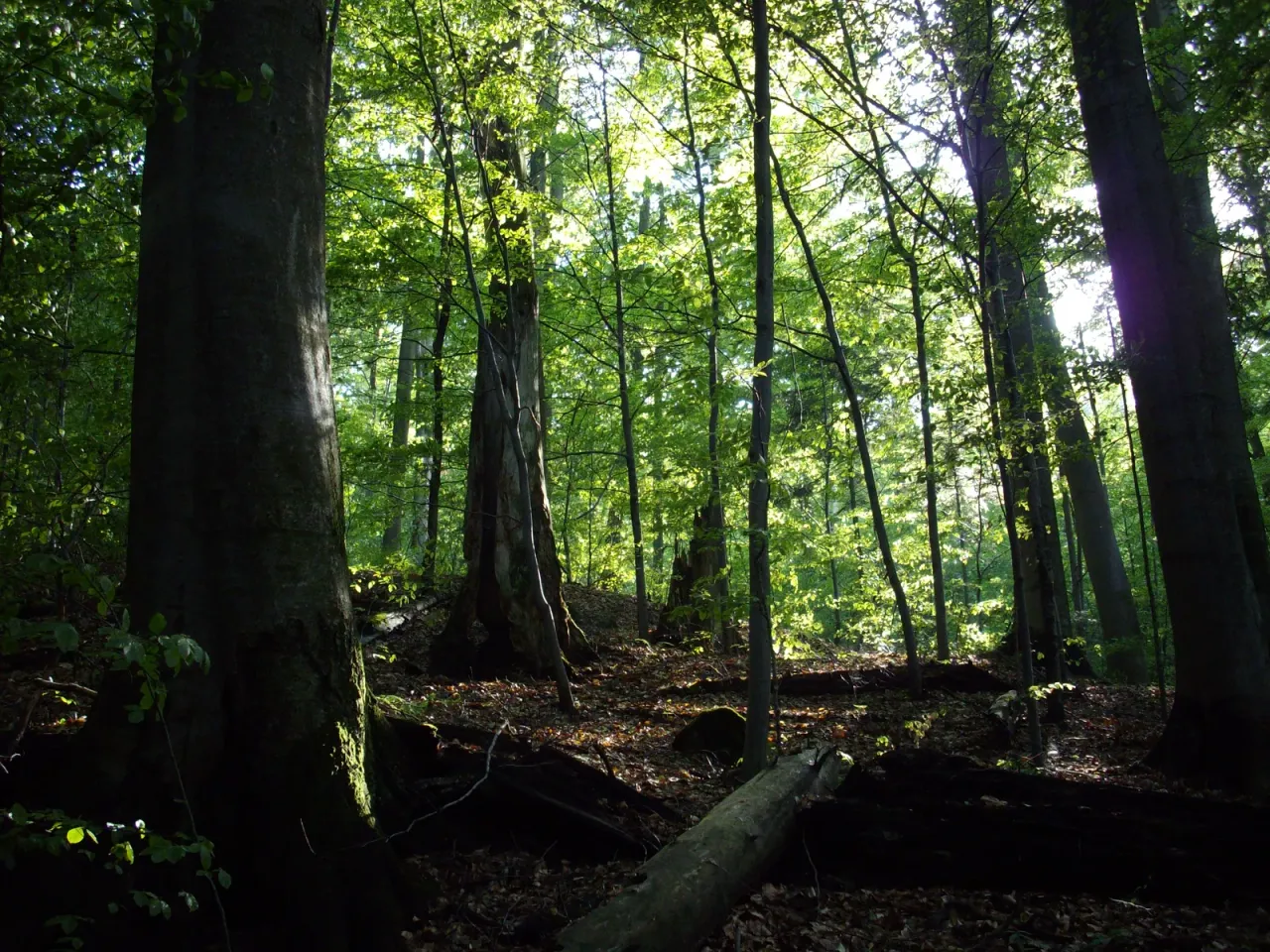
Slovakia: woodland traditions and levels of protection
Carpathian woodland and familiar mushroom names do not imply identical picking rules across borders. Explore Slovak traditions, seasonal differences and the importance of protected-area status.
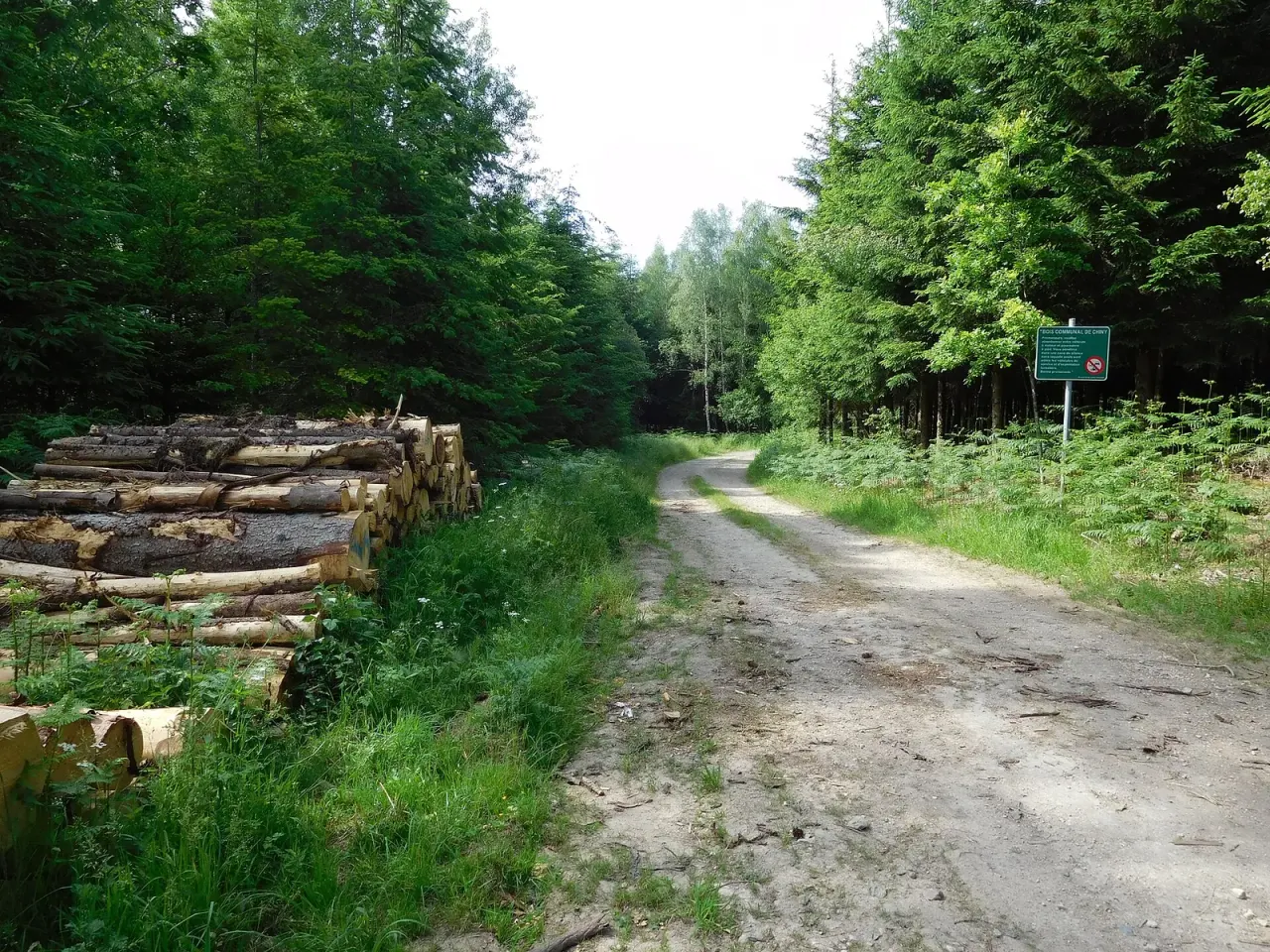
Wallonia: a ten-litre bucket and the owner's consent
The Belgian limit is expressed not in kilograms but in litres. It also requires the owner's consent — and in one forest picking is banned outright.
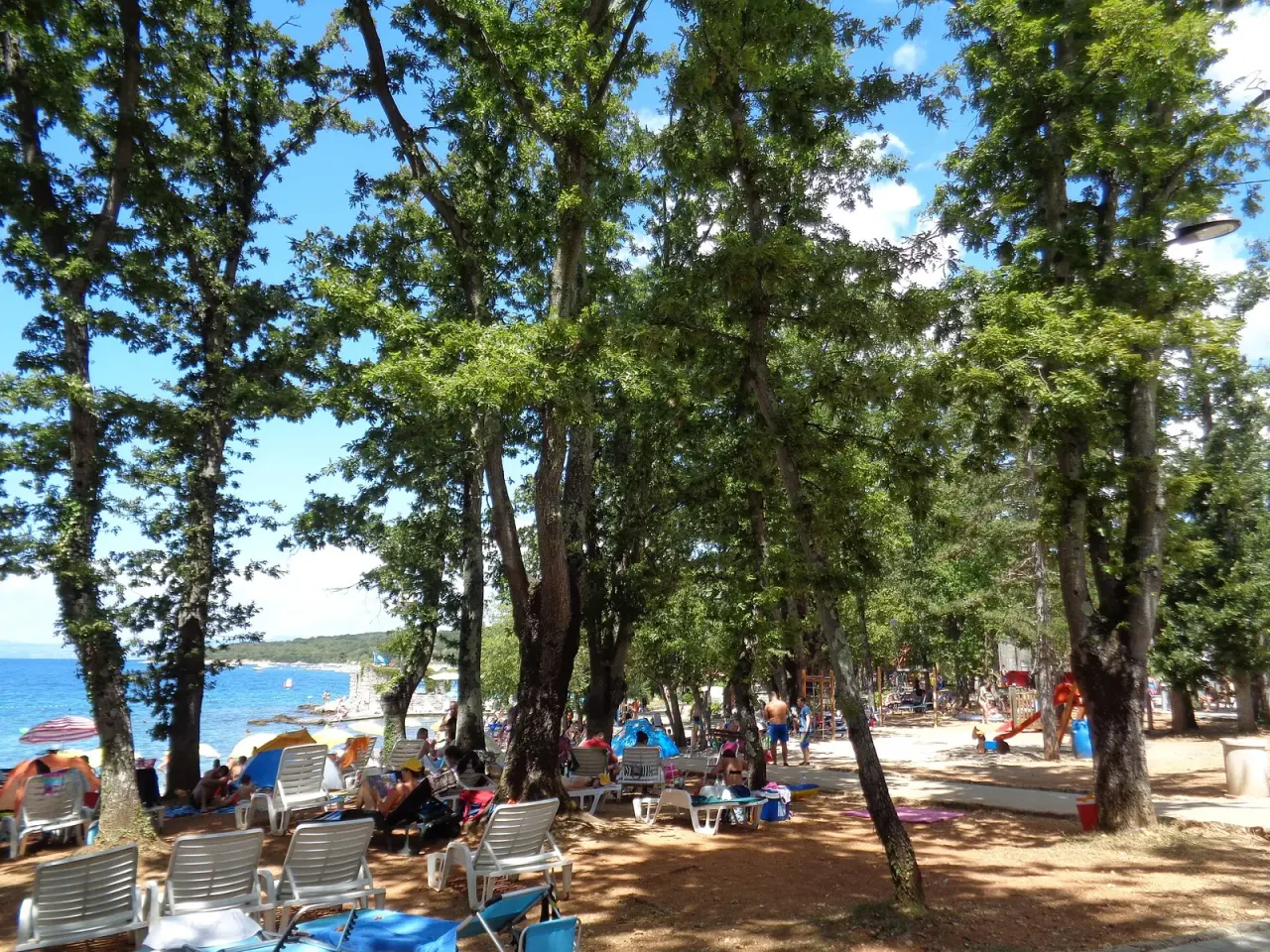
Croatia: three kilos, and a hundred grams of truffle
The Croatian limit draws a distinction no other in Europe draws: above-ground versus underground fruit bodies. Three kilograms a day against a hundred grams.
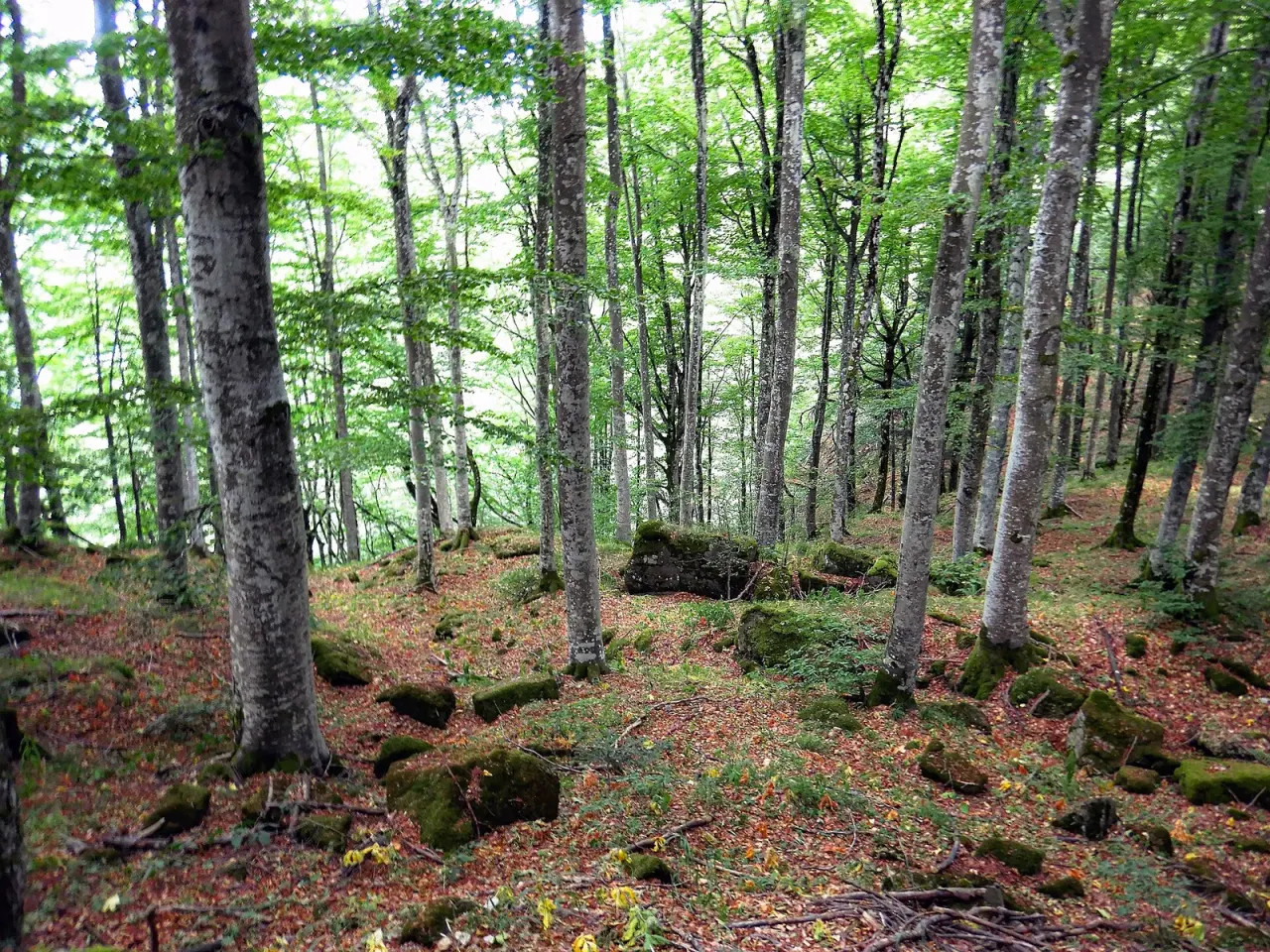
Italy: one ceiling, twenty different limits
The 1993 framework law does not set a collecting limit. It sets a ceiling — three kilograms — and tells the regions to write their own figure beneath it.
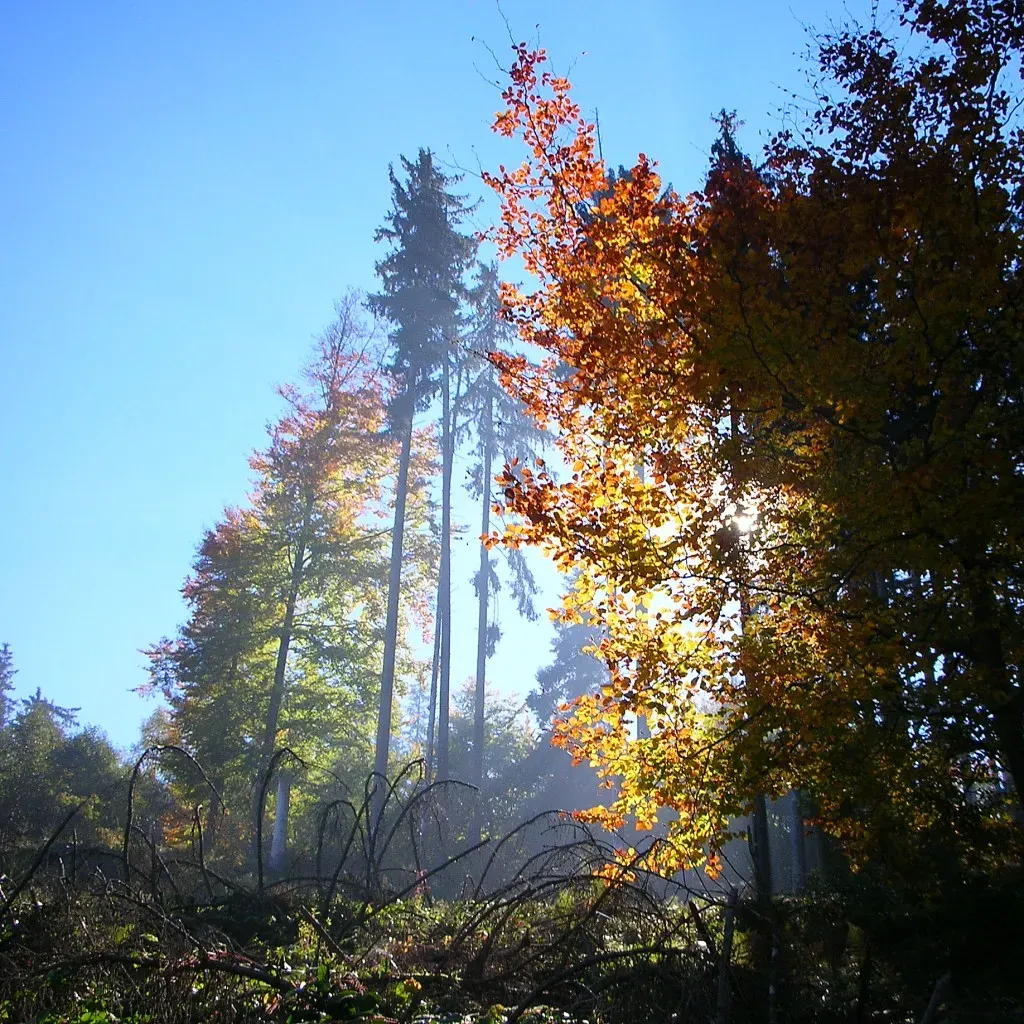
Switzerland: local custom written into the code
The federal provision gives no figure at all. It says one may collect to the extent customary in the place — and the cantons supply the numbers.
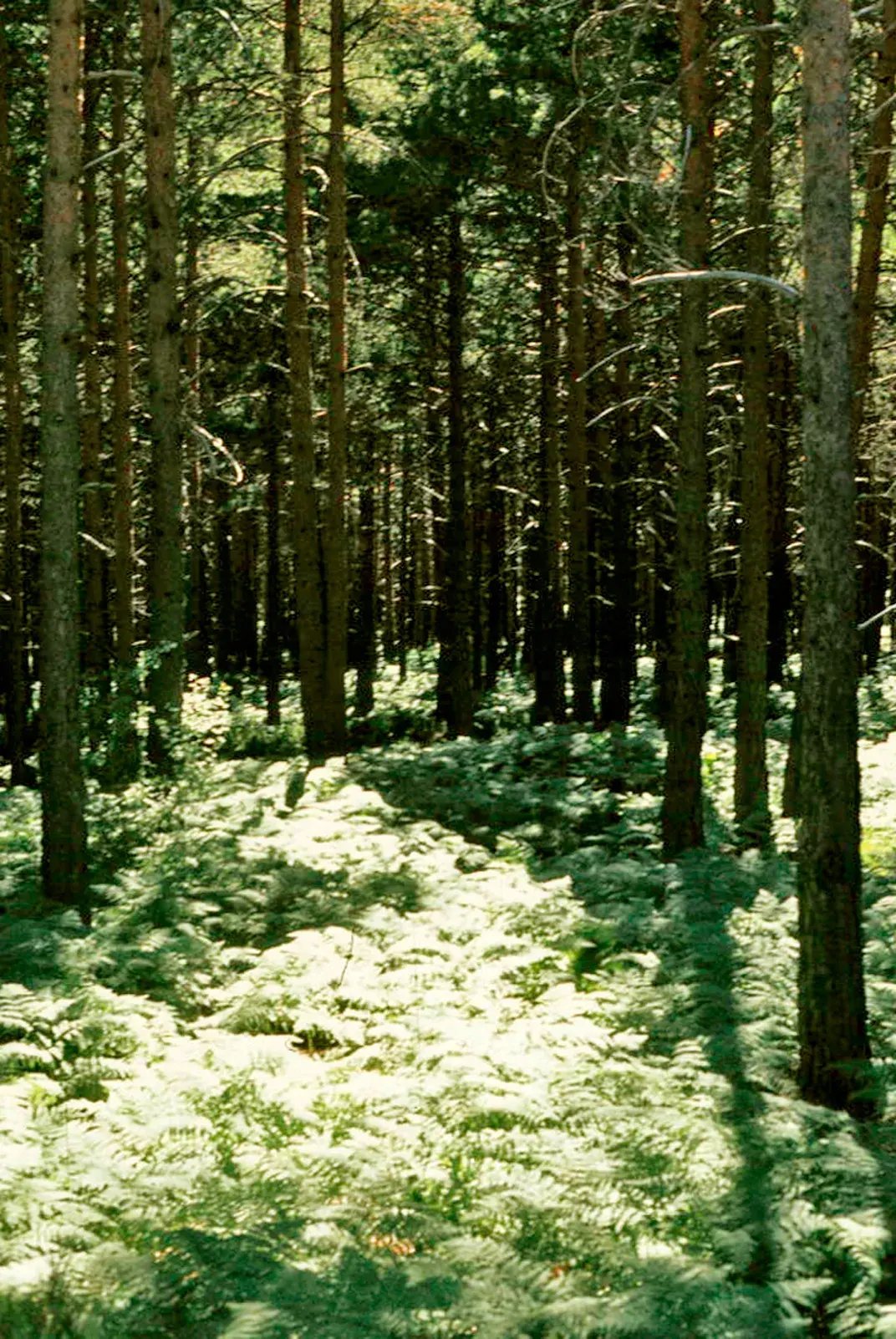
Spain: mushroom picking by permit
In Castilla y León, picking in regulated areas requires a permit. Night collecting, raking the litter and plastic bags are all prohibited.
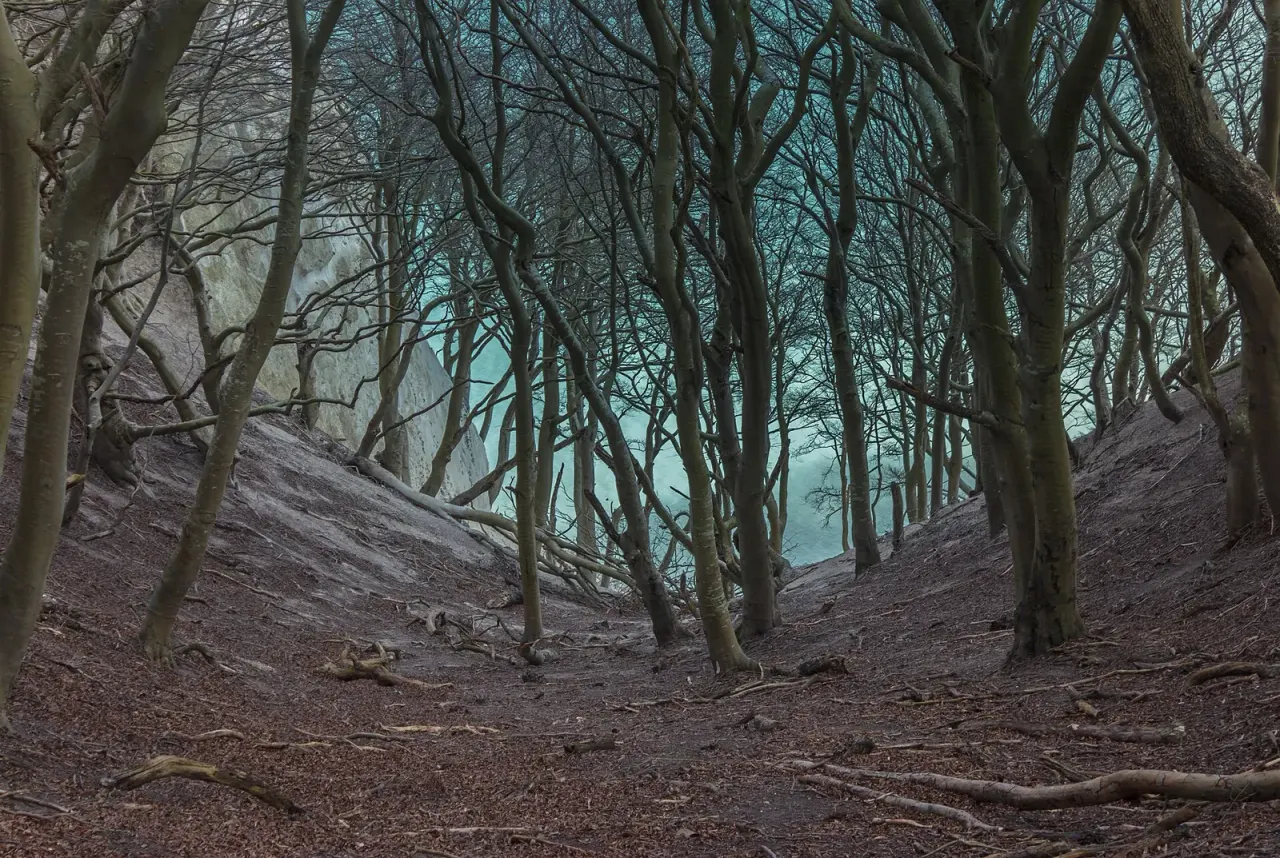
Denmark: as much as fits in a bag
The Danish measure of a permitted harvest descends from medieval law and sounds surprisingly modern: enough that something is left for the next person.
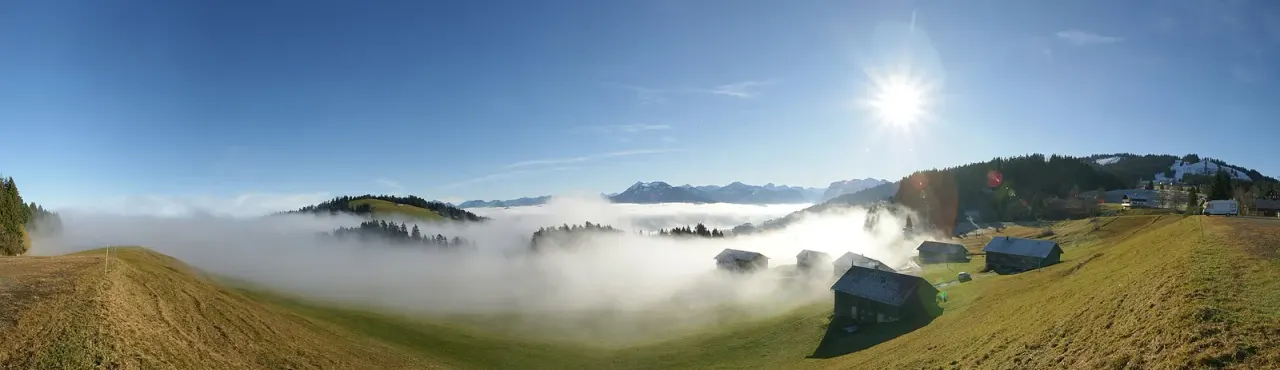
Austria: two kilograms a day, set by statute
The Austrian Forest Act lets anyone enter a forest for recreation, and taking more than two kilograms of mushrooms a day is a forest offence.
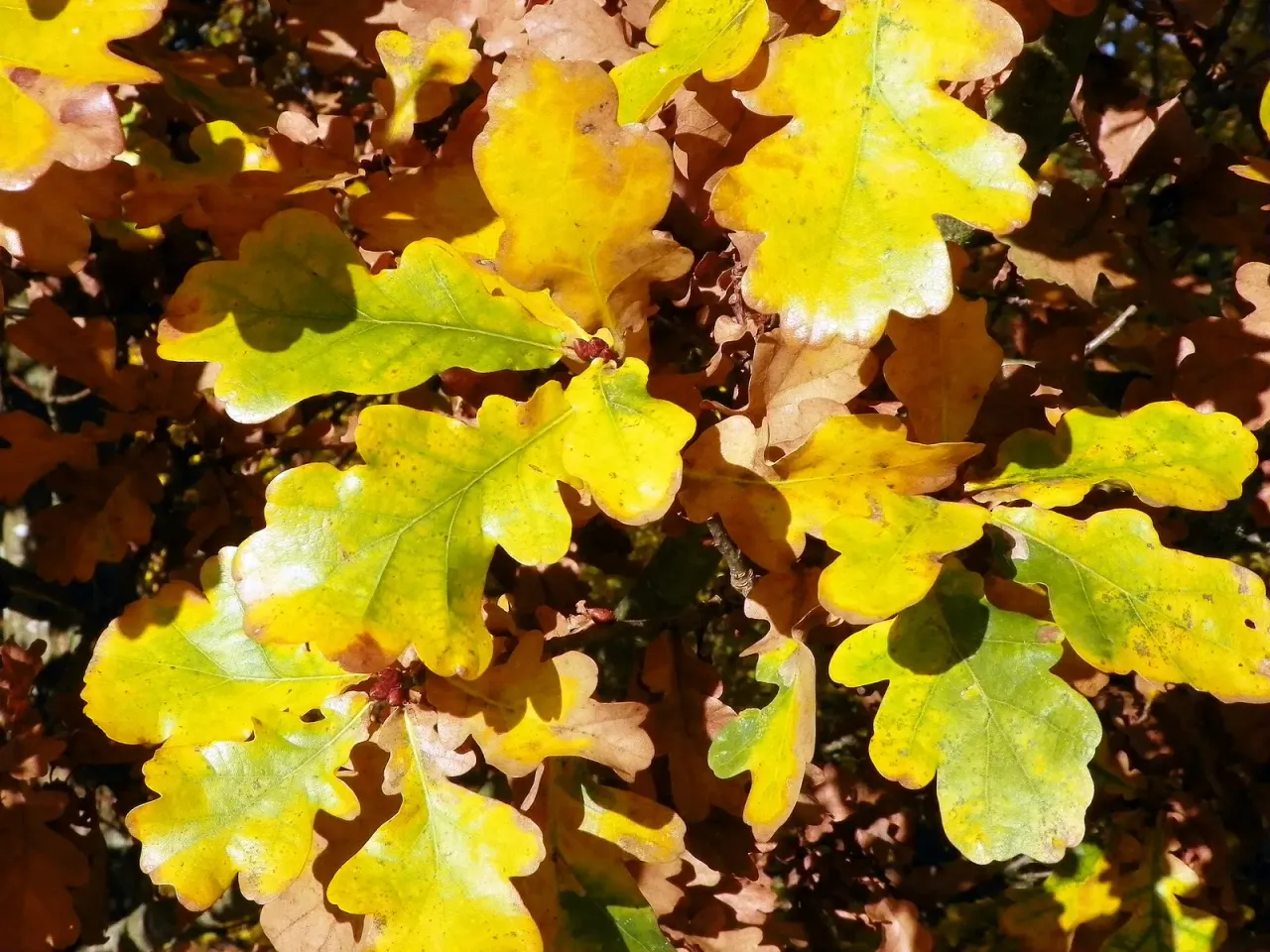
The United Kingdom: picking is not theft
England and Wales, Scotland, and Northern Ireland use different access regimes. “Not theft” is not always a right of entry—while Scotland has statutory responsible access.
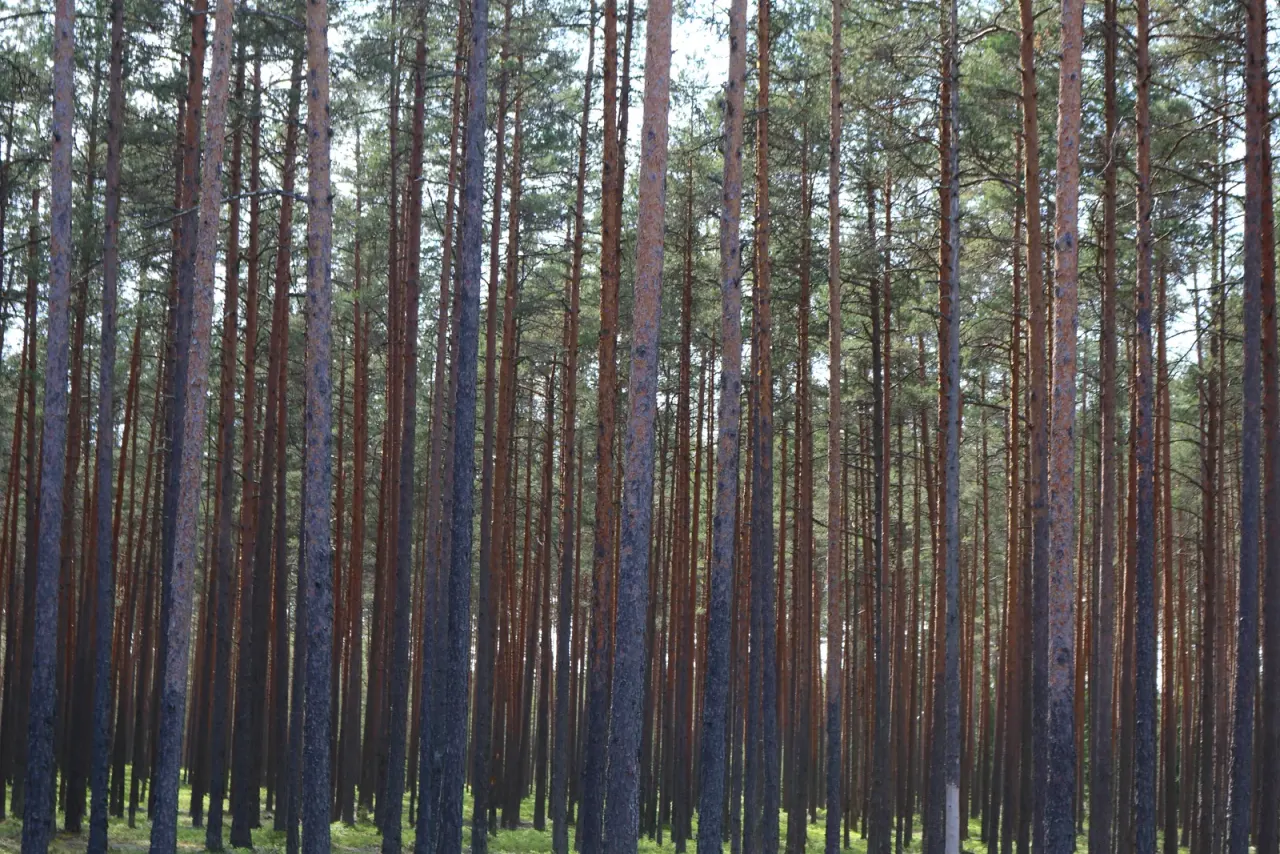
Estonia: a forest open, but not ownerless
Estonia combines extensive forests and the freedom to roam with a simple rule: a picker uses someone else's land but does not take it over.
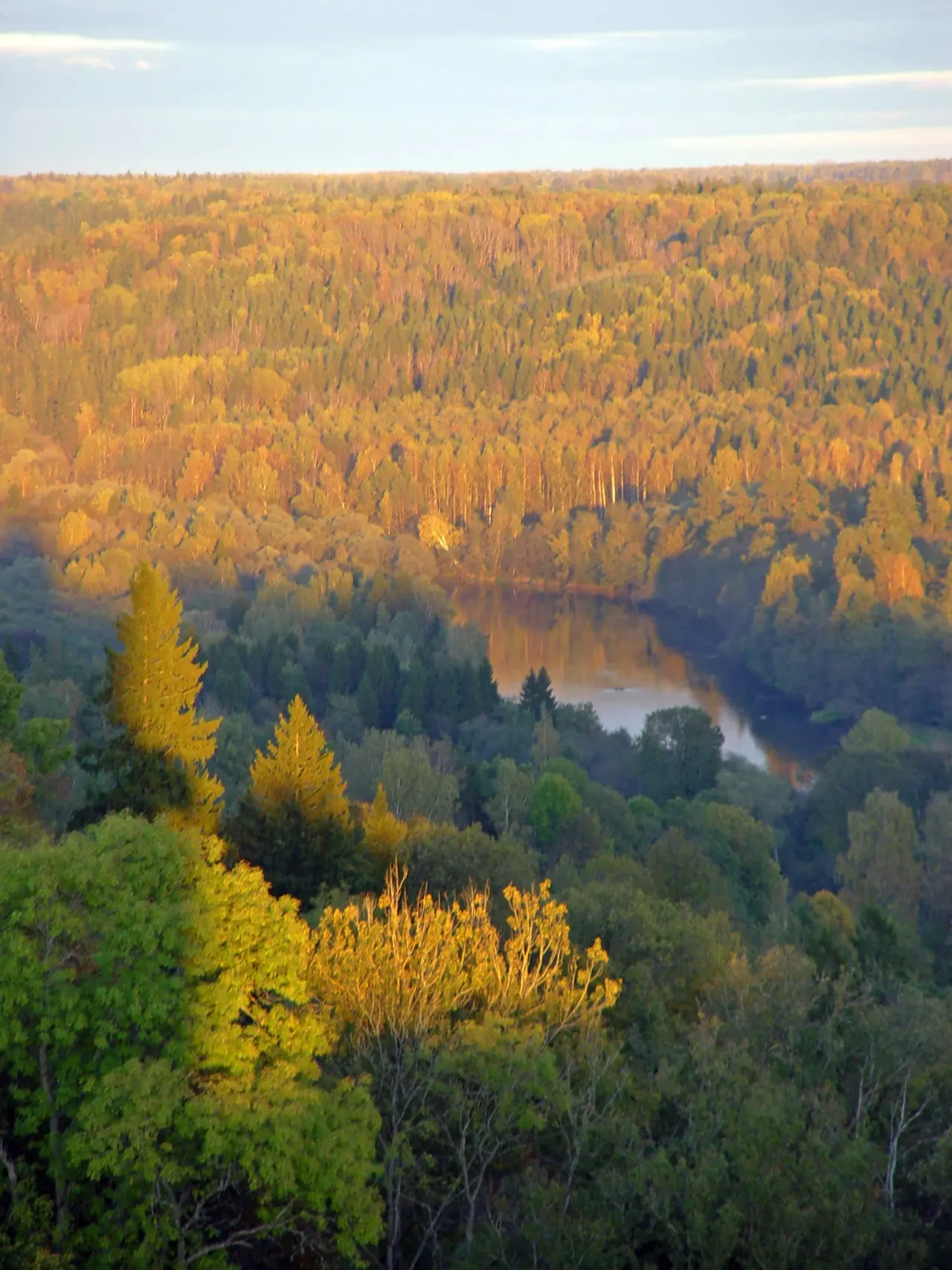
Latvia: a basket in the state forest
Latvian law regulates mushroom picking in the forest directly, but private owners and nature conservation still set the boundaries.
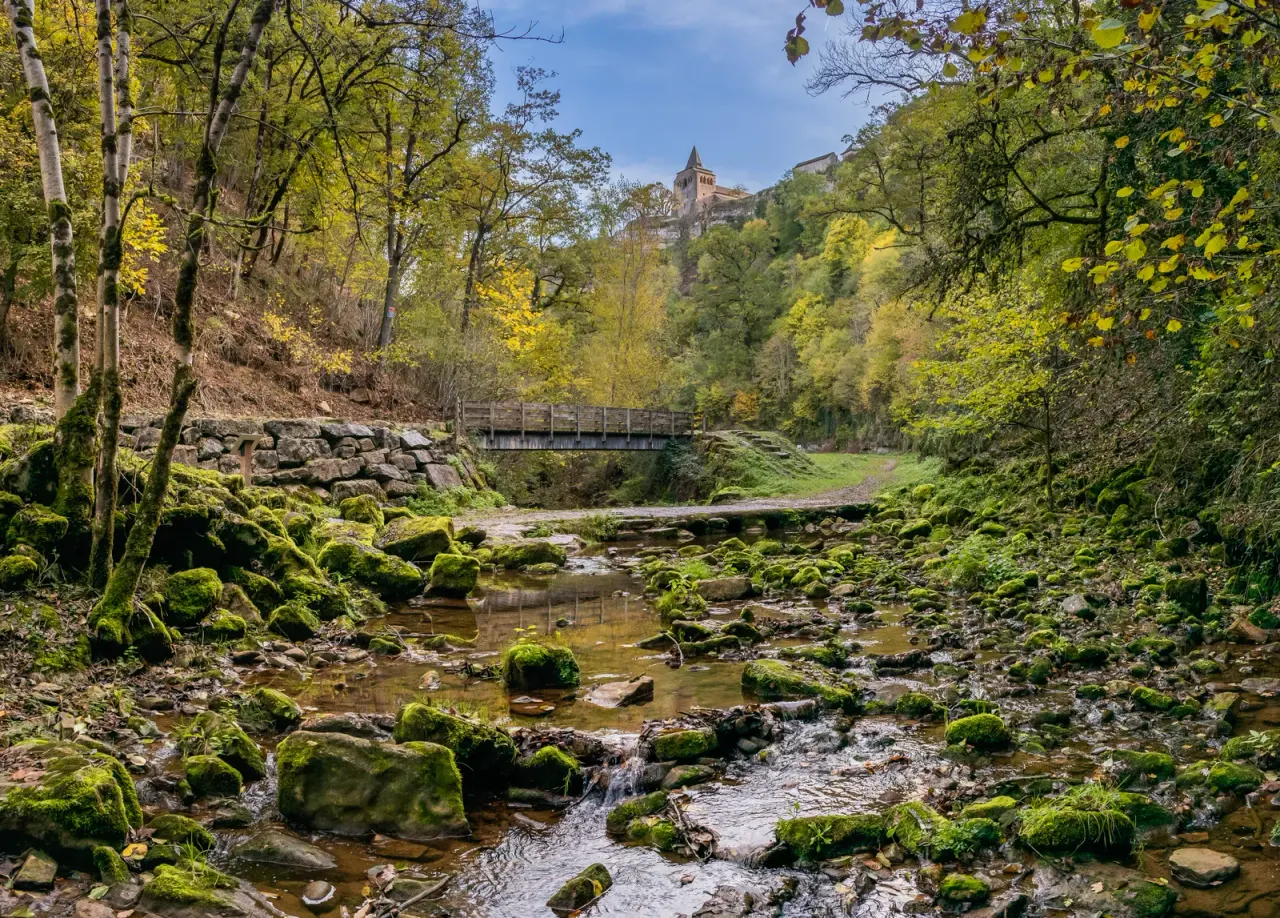
France: local limits and the owner's consent
In France the rules depend on who owns the forest and on local by-laws; the ONF limit is not a general right applying to every piece of land.
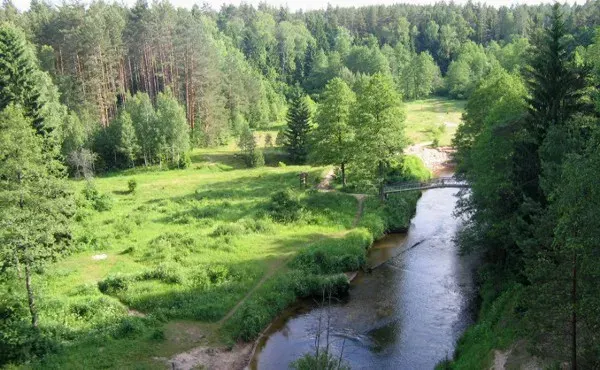
Lithuania: picking in a land of sandy pine forests
The right of access meets one of Europe's strongest picking cultures here, but reserves, fire risk and protected species still set the limits.
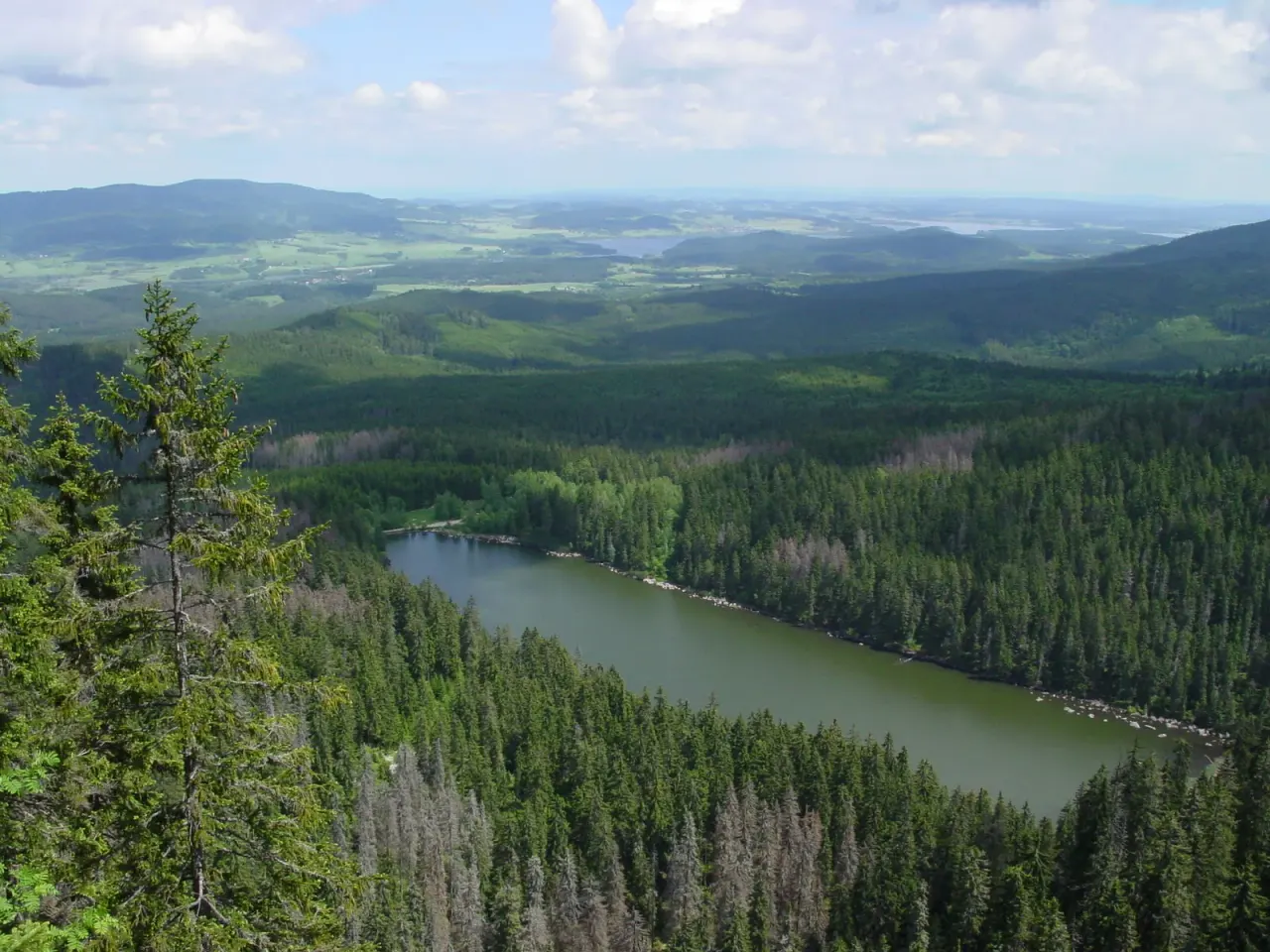
Czechia: picking as use of the forest
The Czech forest act allows gathering forest produce for personal use in private forests too, with clear conservation and safety exceptions.
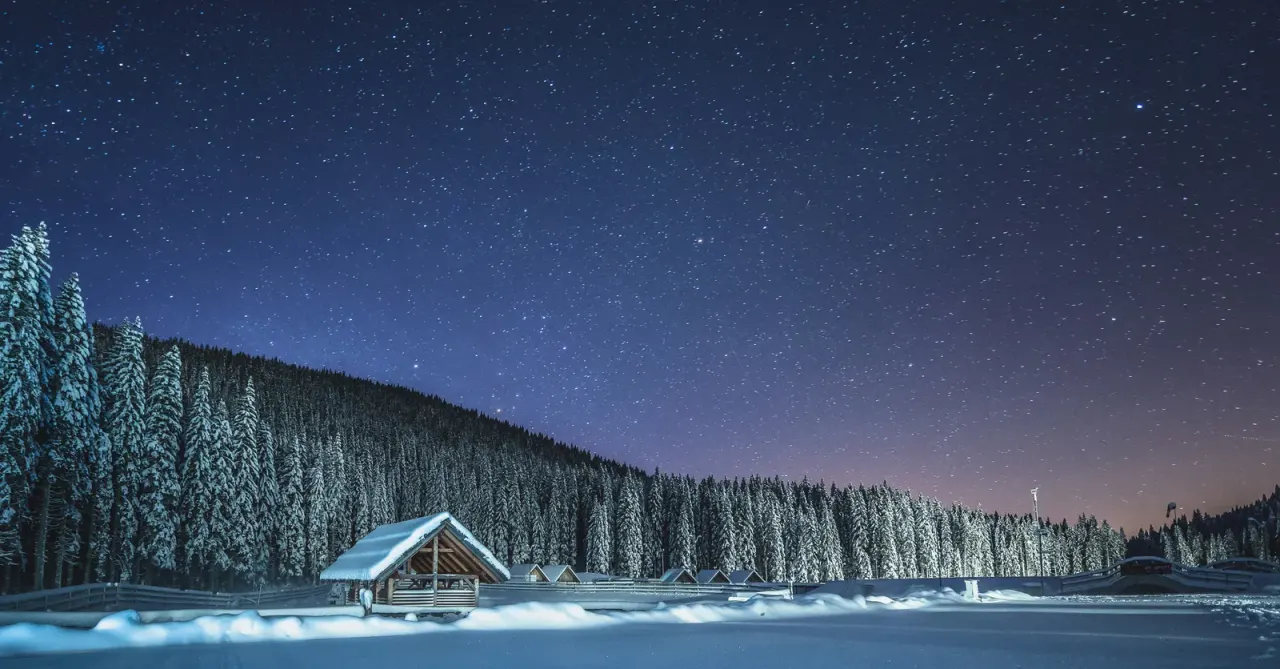
Slovenia: two kilograms is not the whole rule
The official rules give a specific daily limit, the way mushrooms must be carried, and a ban on tools that damage the mycelium.
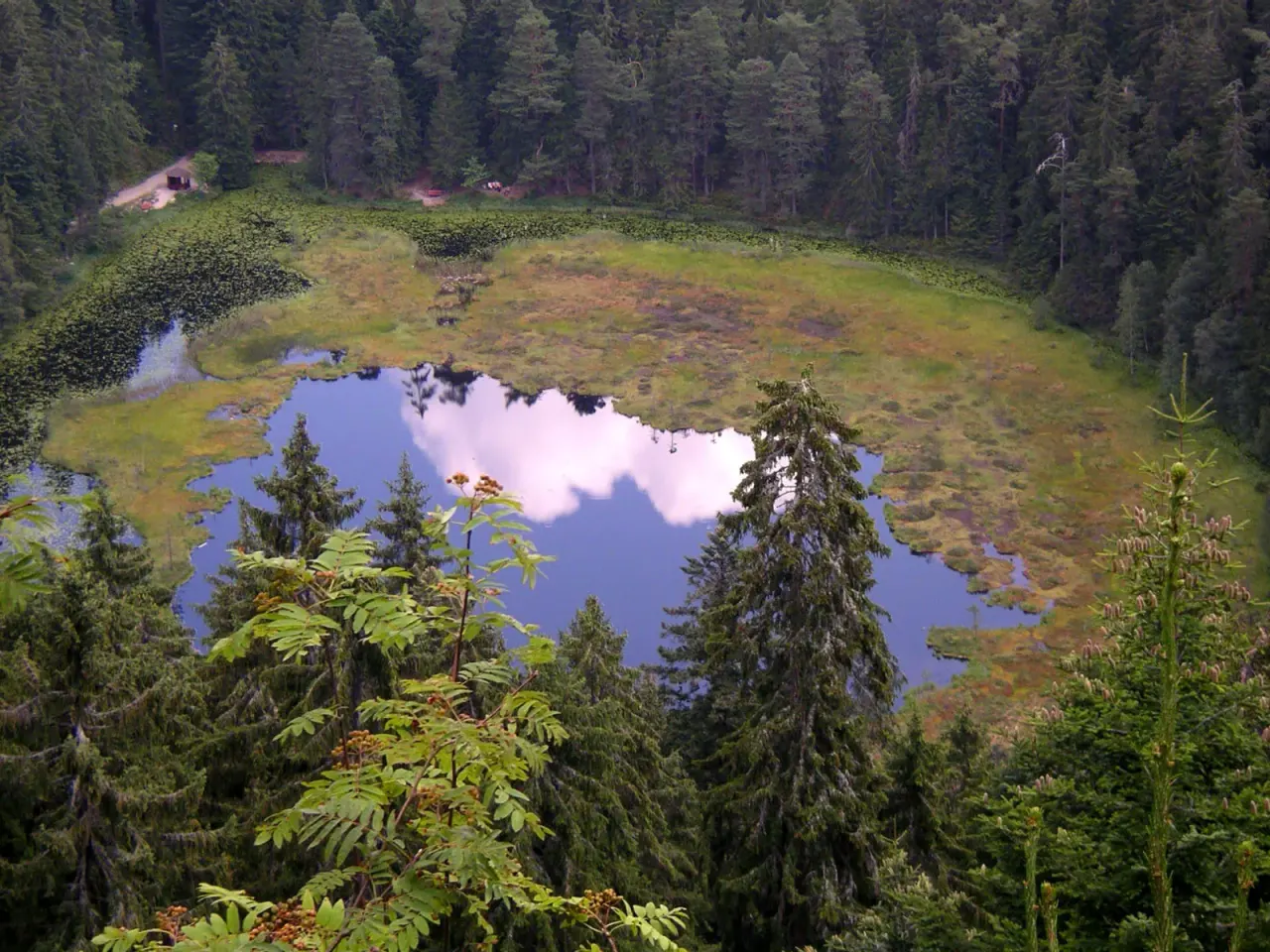
Germany: a small amount, no universal limit
Federal law uses a flexible personal-need threshold; species rules, individual states, owners and protected areas can all narrow it further.
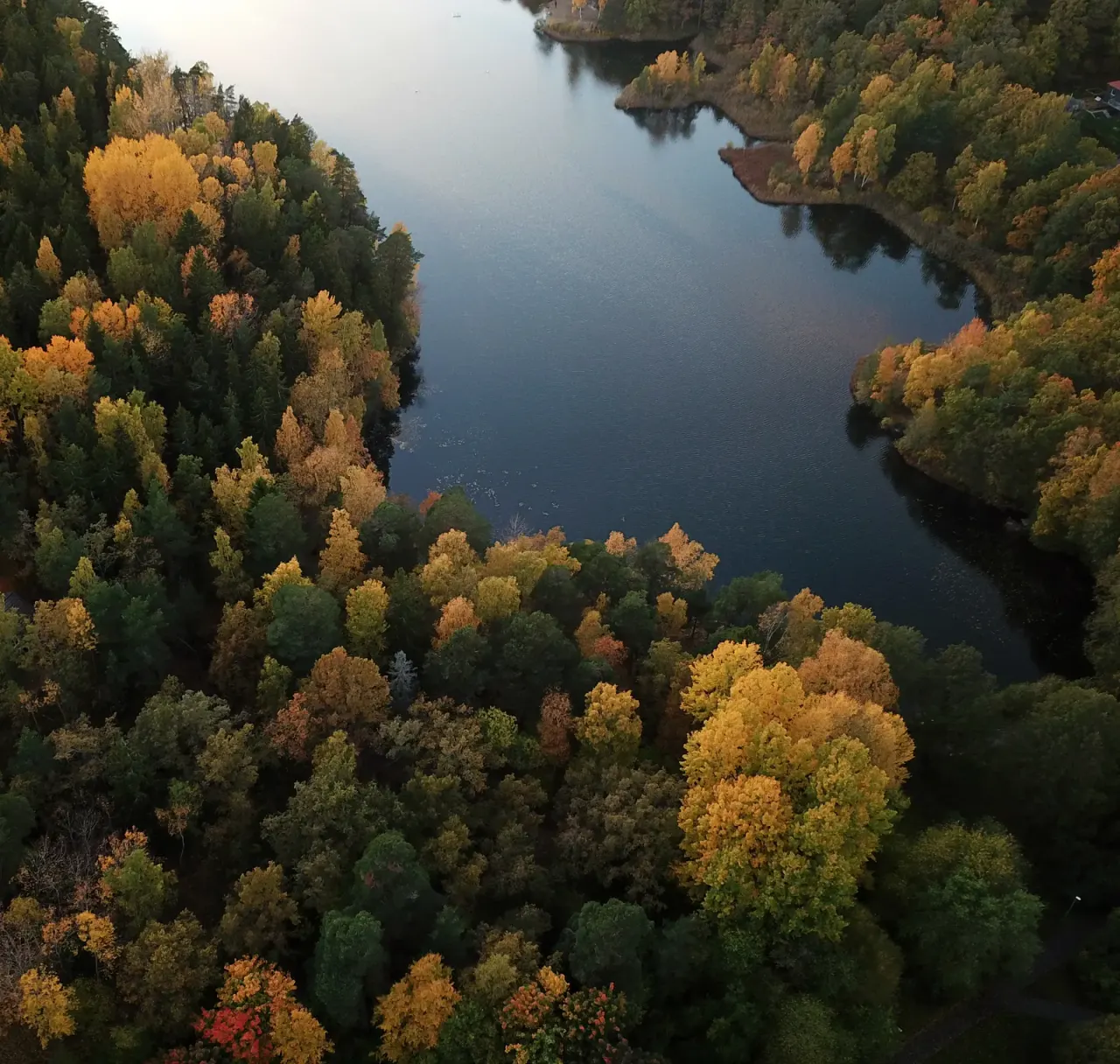
Sweden: allemansrätten and forest gold
The right of public access allows picking wild mushrooms, but it calls for moderation, care for the habitat and checking the area's rules.
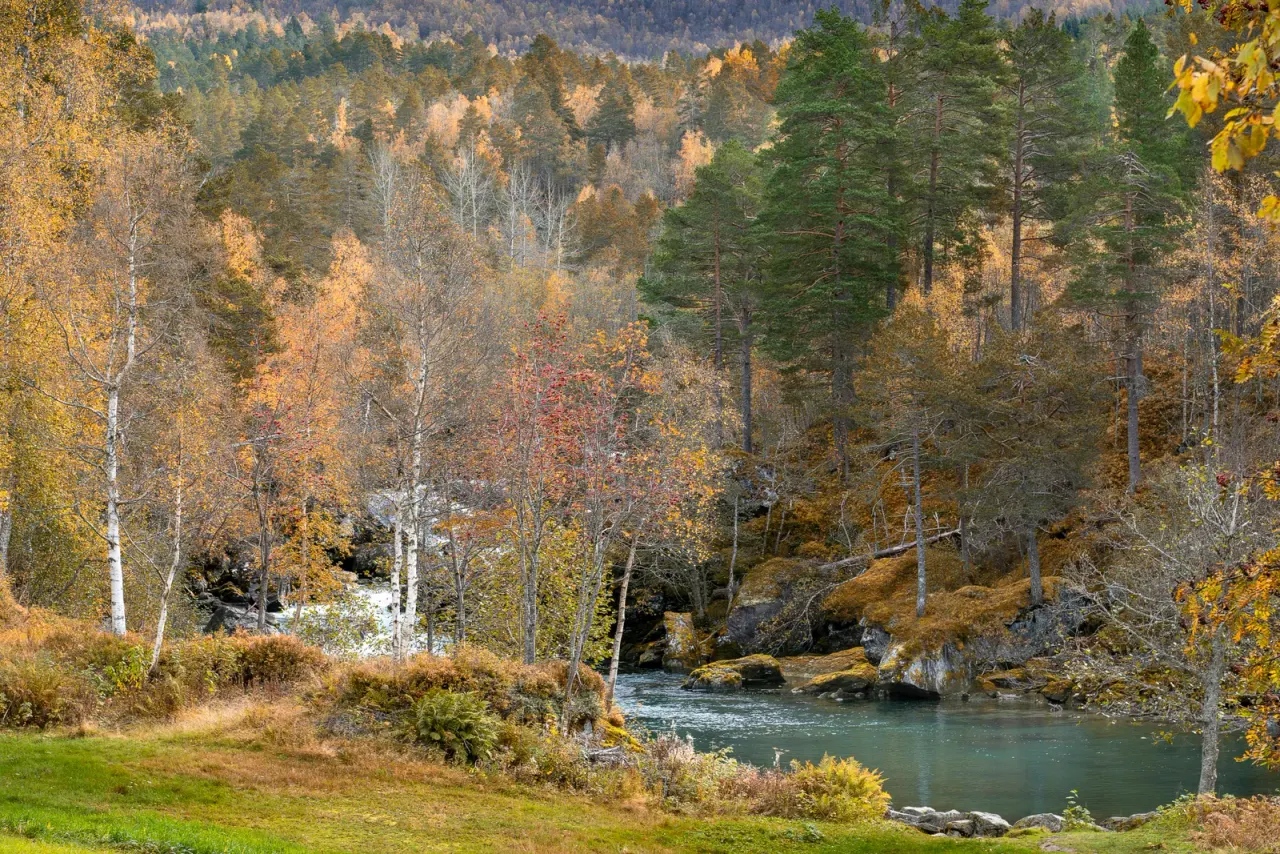
Norway: the right to roam and to gather
Allemannsretten covers mushroom picking on uncultivated land. The season is short, strongly regional and dependent on the weather.
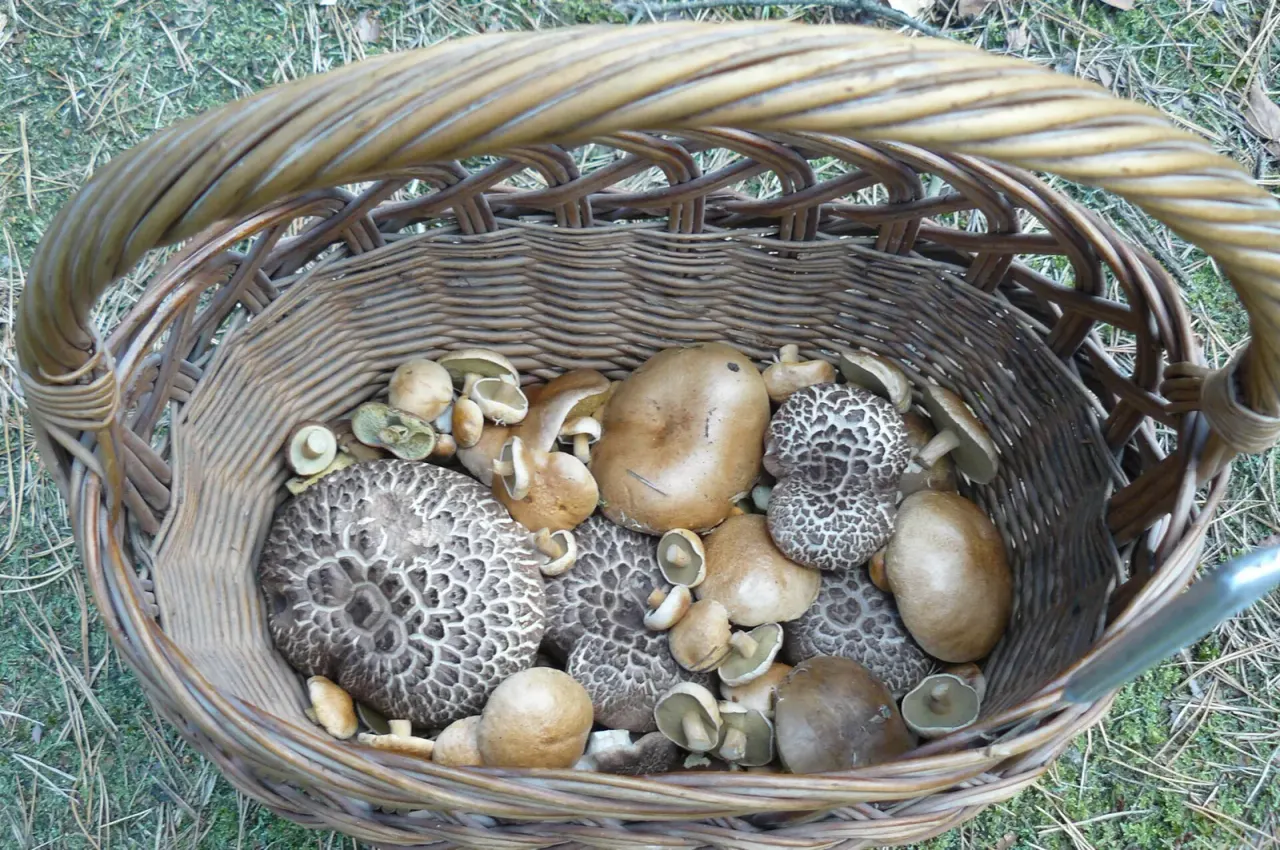
Poland: mushroom picking as the norm
In Poland, entry to state forests and picking for personal use are free and cost nothing. That is an exception in Europe, not the rule.
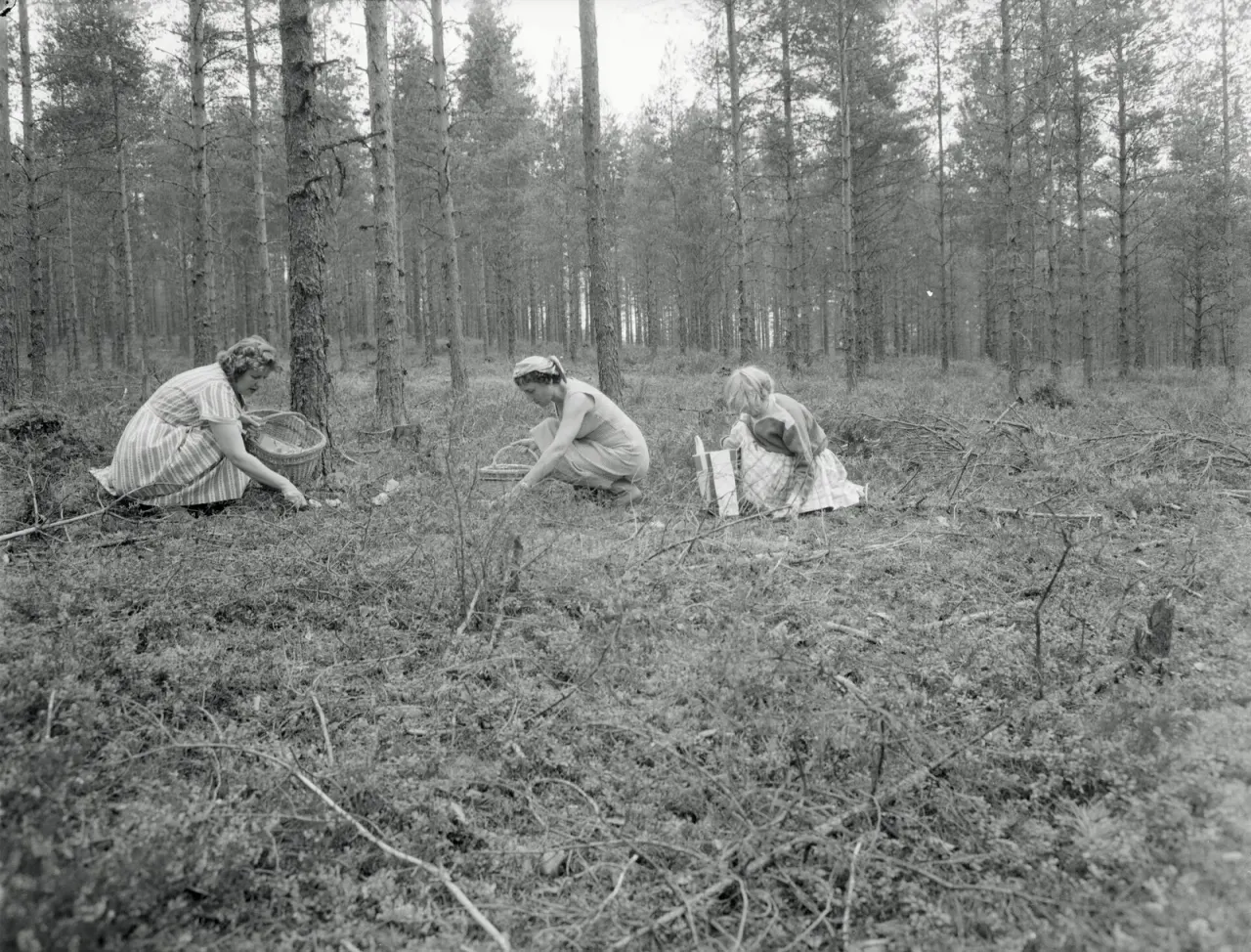
Finland: everyone's right to the forest
In Finland mushrooms and berries may be picked almost anywhere, under jokaisenoikeudet — a right covering about 90% of the country.
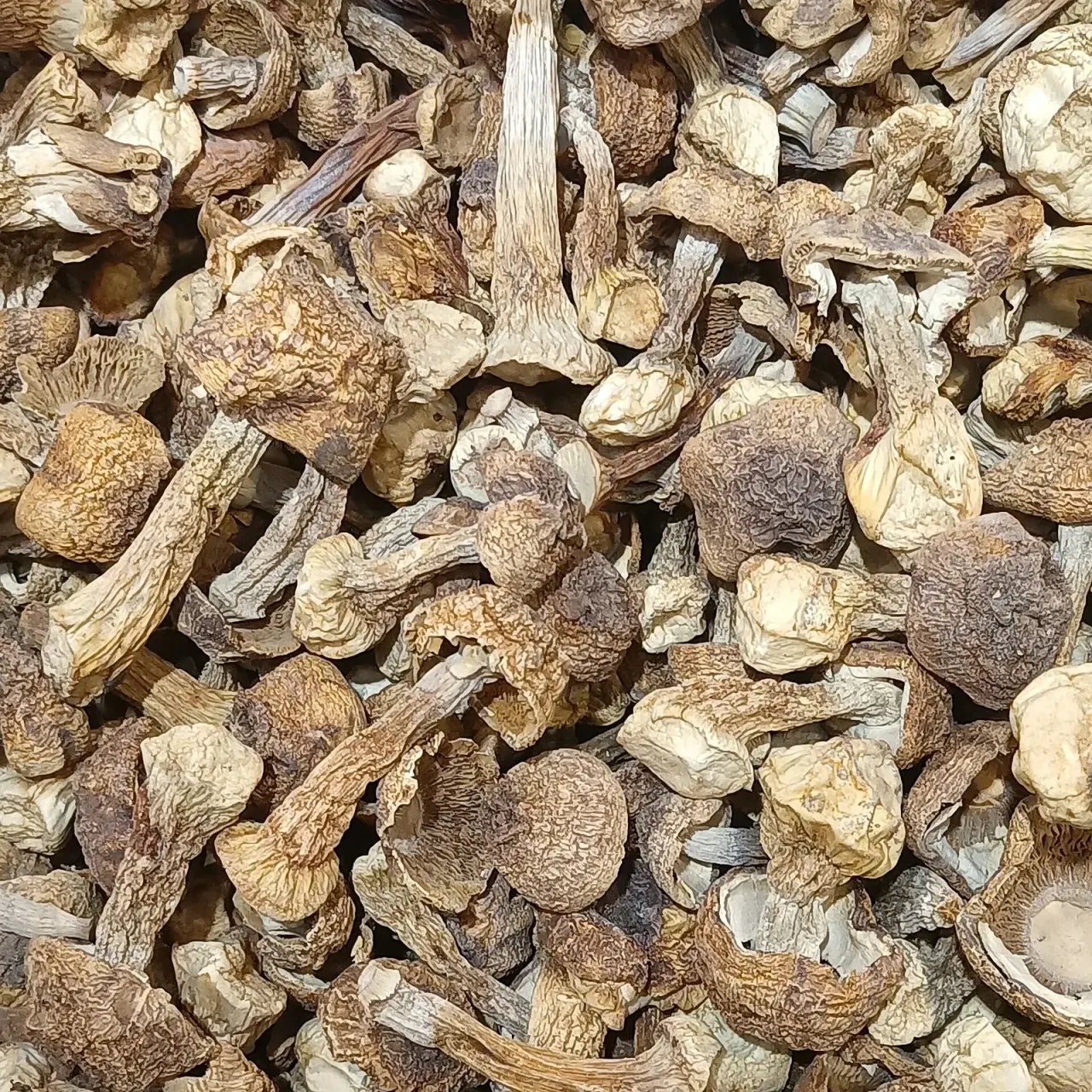
Japan: matsutake, a mushroom of one season
Matsutake is a symbol of autumn in Japan and a luxury good. It cannot be reliably farmed, because it grows only in symbiosis with pine.