Fungi worldwide

News

What is happening in the world of fungi: research, discoveries and decisions that change what we know. Every piece links to its source.

entries
30
illustrated
30
with sources
30

Results: 30

September 20265

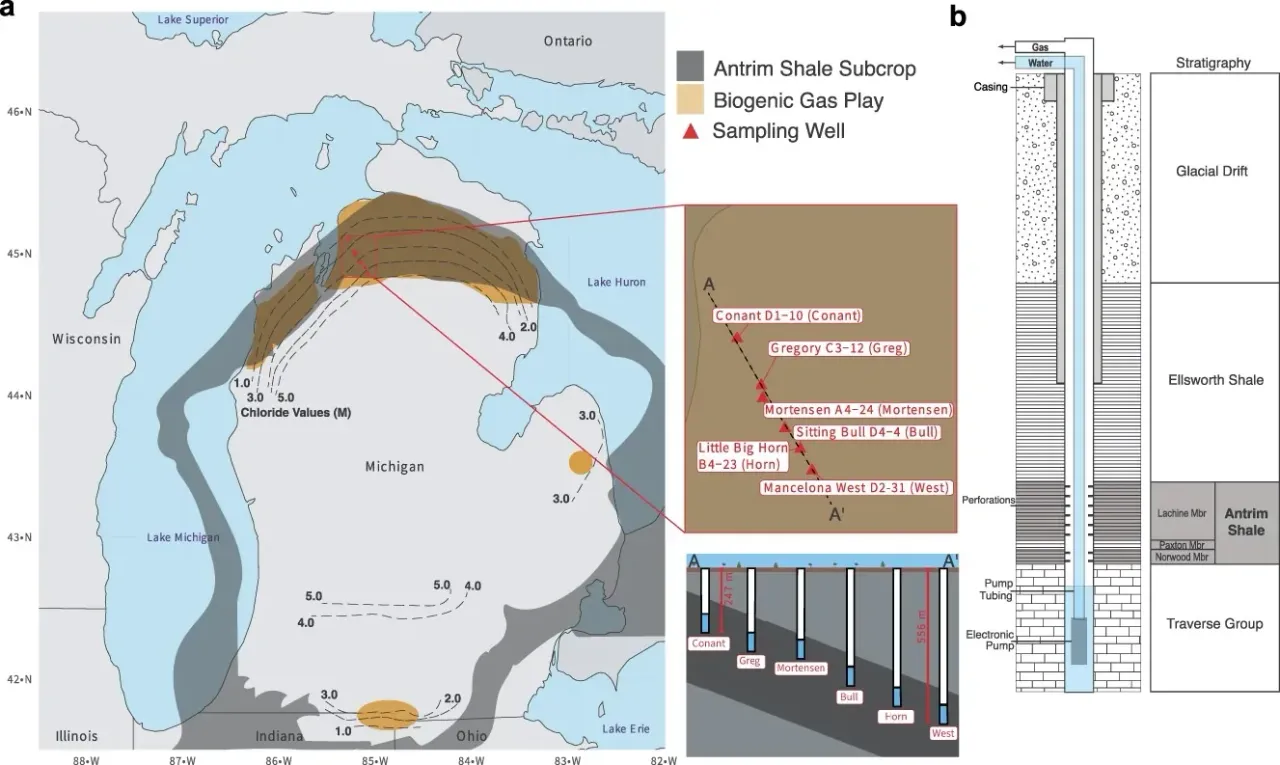
8 SeptA rich fungal community lives hundreds of metres below MichiganScientific discoveriesWater from deep Antrim Shale contained abundant fungal cells and diverse fungal DNA. A July study raises new questions about their role in transforming ancient carbon.
Peer-reviewedSource: The ISME Journal
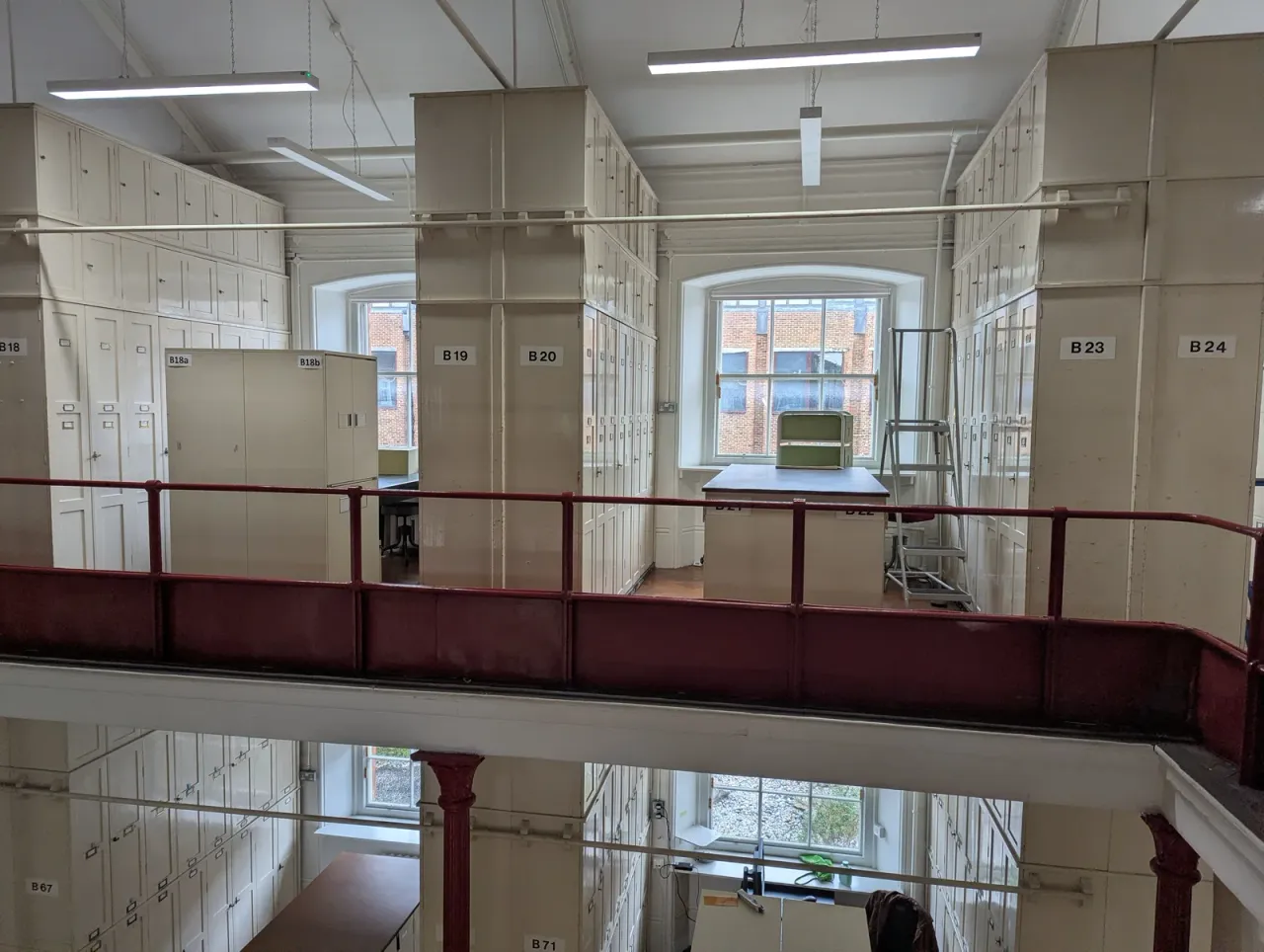
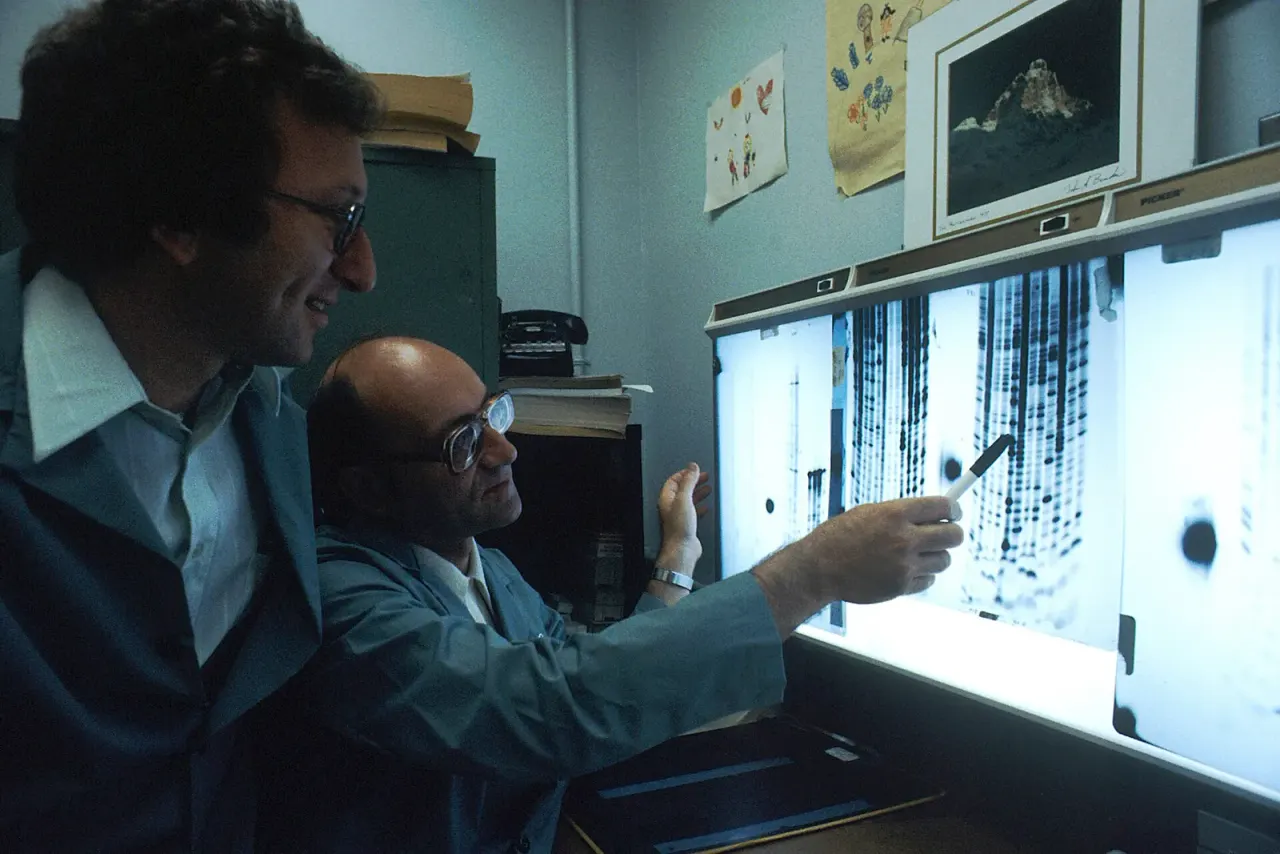
8 SeptKew opens digital collections while old fungi yield their DNAScientific discoveriesKew’s June 2026 report connects a completed digitisation programme with research on DNA from historical specimens. An image, a label and a genome answer different questions.
CorroboratedSource: Royal Botanic Gardens, Kew
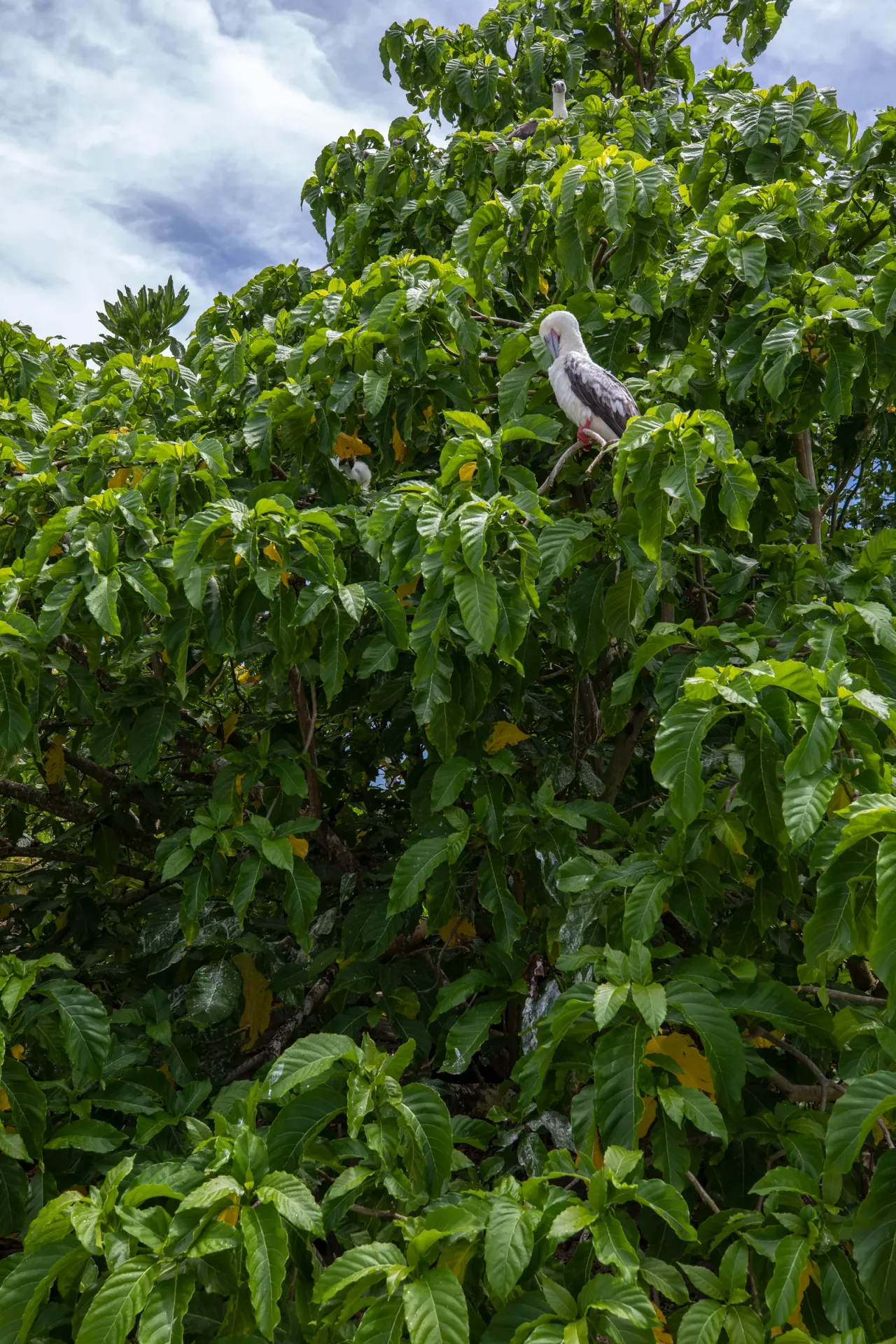
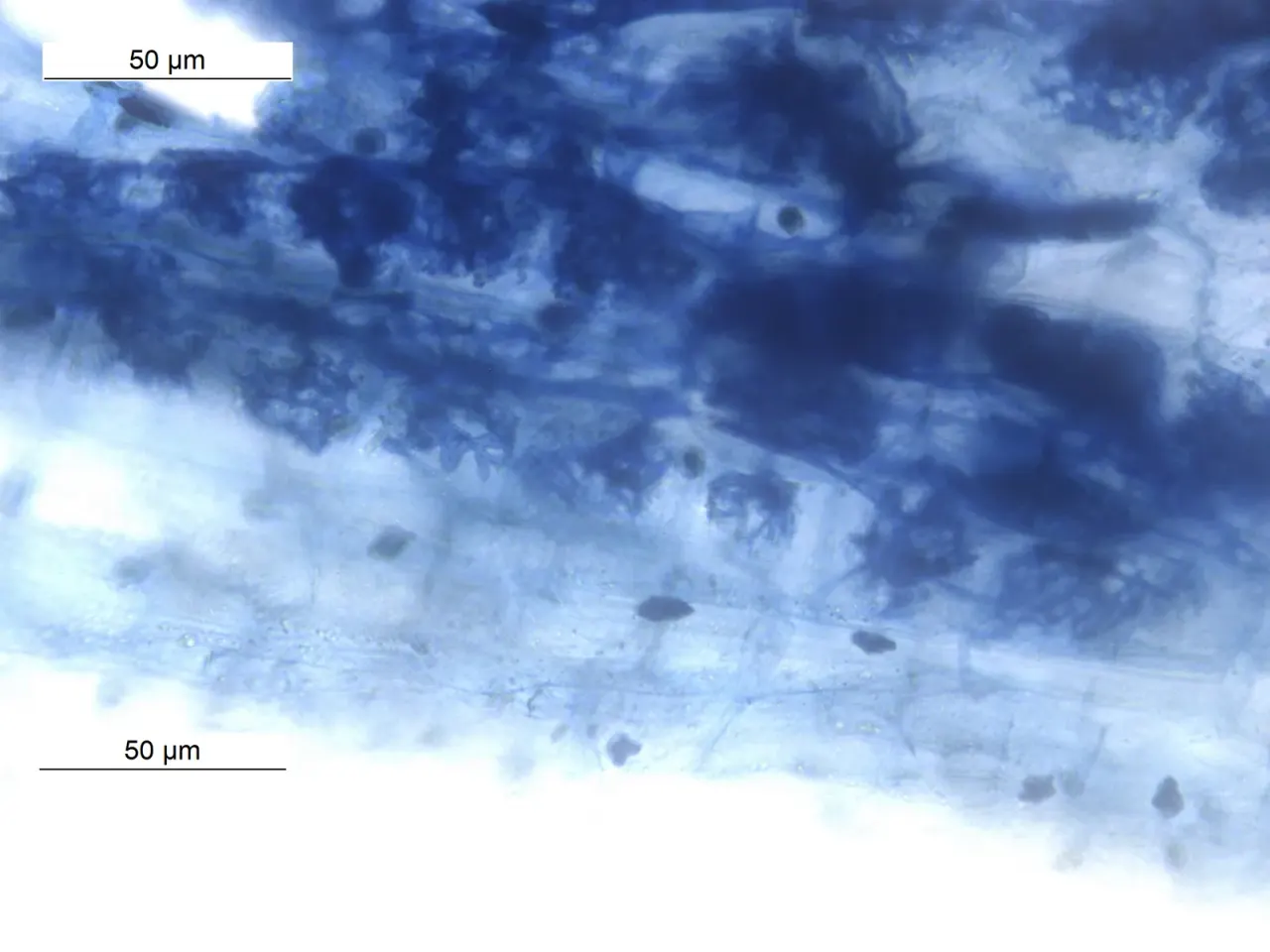
8 SeptPalmyra’s returning forest also needs its fungal partnersScientific discoveriesRoot and soil research on Palmyra identifies important partners of Pisonia trees. Restoring the island forest may also depend on where these underground organisms occur.
Peer-reviewedSource: Current Biology
8 SeptFungal ice-triggering proteins reveal an ancient bacterial inheritanceScientific discoveriesResearchers identified ice-nucleating proteins in Mortierellaceae fungi. Their water solubility and evolutionary history open new questions about how organisms influence the first stages of freezing.
Peer-reviewedSource: Science Advances
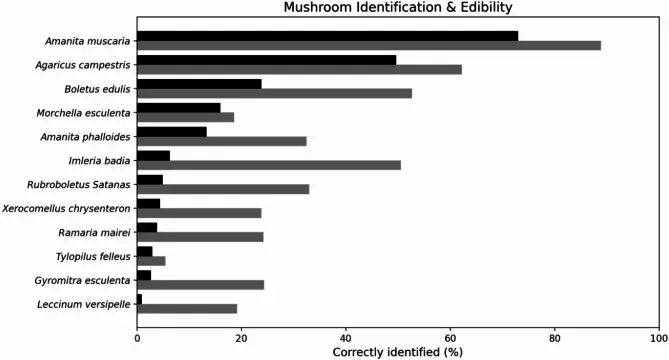
8 SeptHow many fungi can we name? A German study finds a literacy gapScientific discoveriesIn a survey of 747 people, the average participant identified two of twelve fungi. The findings inform nature education, with important limits to interpreting a photographic test.
Peer-reviewedSource: Scientific Reports

August 202614

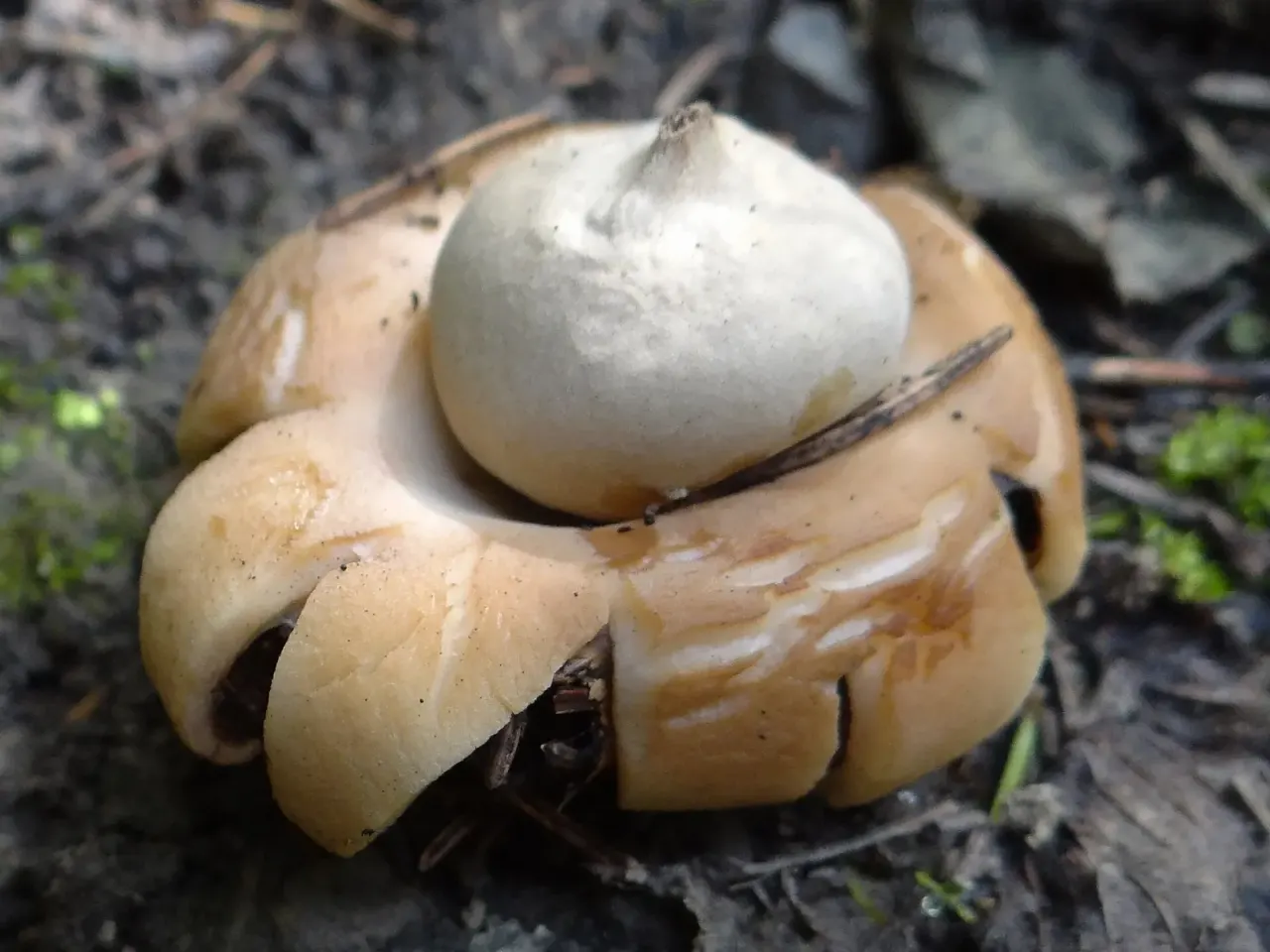
25 AugThree candidate earthstar lineages from foragers’ basketsNews from PolandA phylogenetic tree indicates three lineages unlike described species, but by 29 August 2026 no names, diagnoses or type specimens had been formally published.
ReportedSource: Nauka w Polsce (PAP)
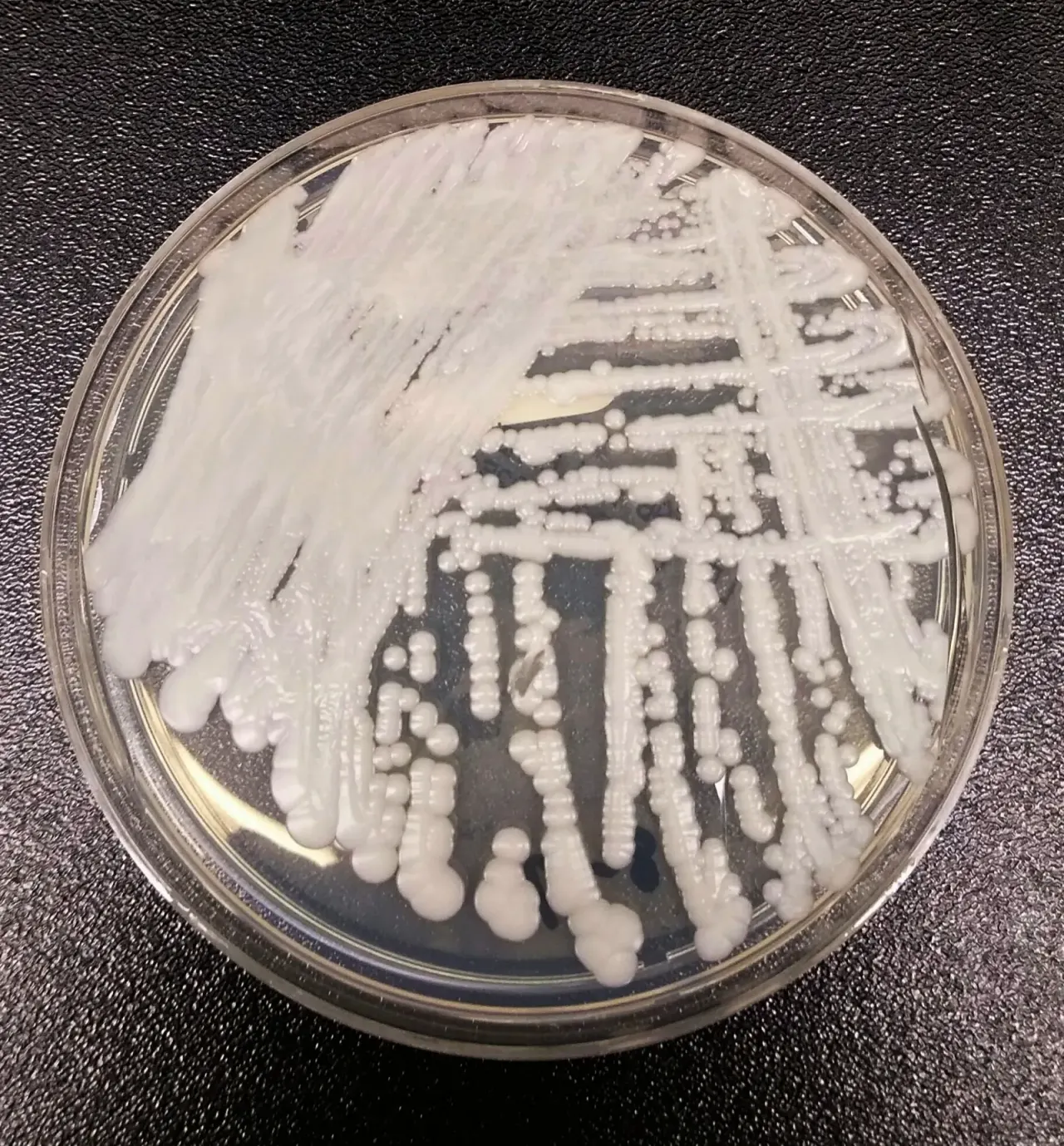
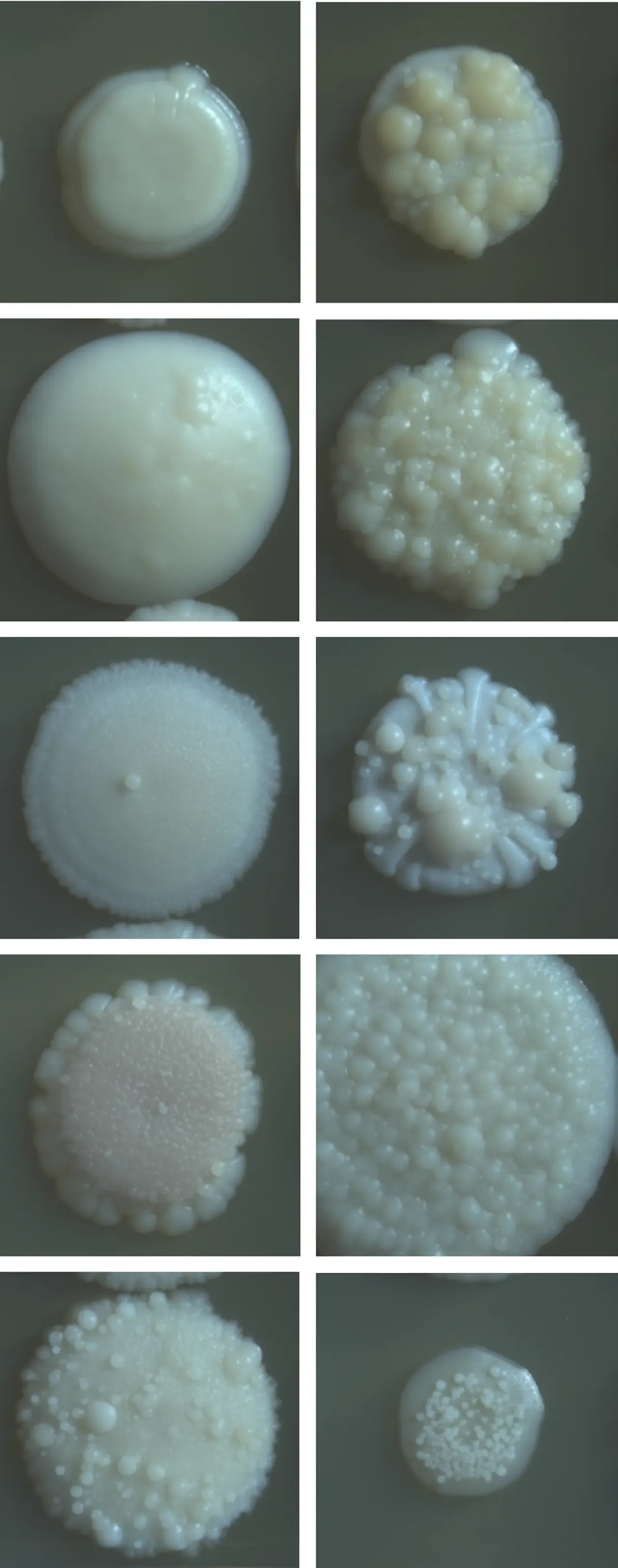
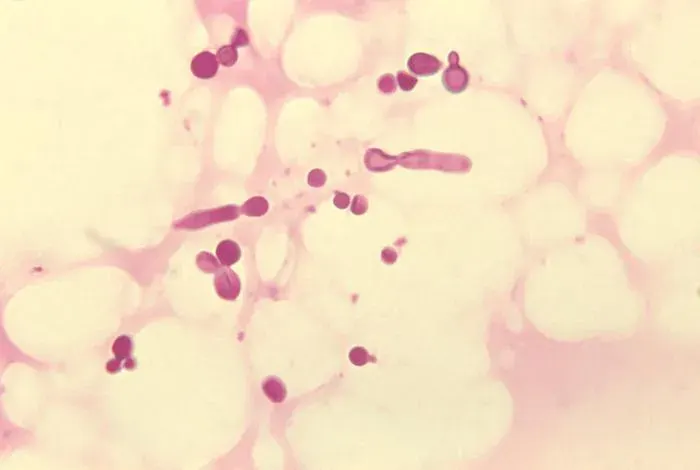
25 AugCandida auris exposes chitin to stay in the hair follicleMedicineA study in Science shows the fungus alters its cell wall on skin and provokes an immune response that helps it persist rather than clearing it.
Peer-reviewedSource: Science
25 AugField fungicides leave a reservoir of resistant fungi in the soilCultivation and industryMore than 3,900 resistant fungi were isolated from farm soils and neighbouring river sediments, including 358 strains resistant to several fungicides at once.
Peer-reviewedSource: Nature Communications
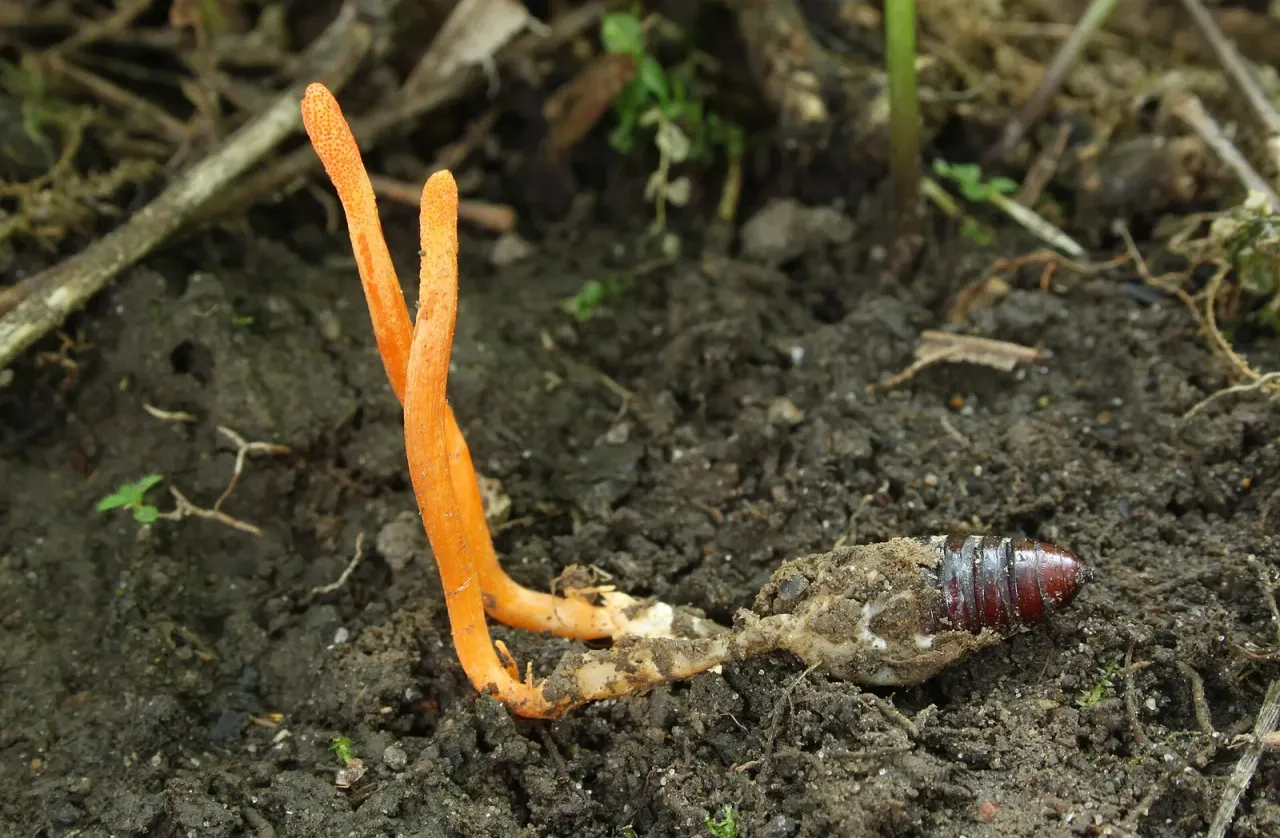
25 AugA textile of living mycelium knits itself back togetherMycelium materialsA team in China made sheets from living Cordyceps mycelium. The material regrows when wetted, can be coloured with engineered yeast and breaks down in soil in about 41 days.
Peer-reviewedSource: Science Advances
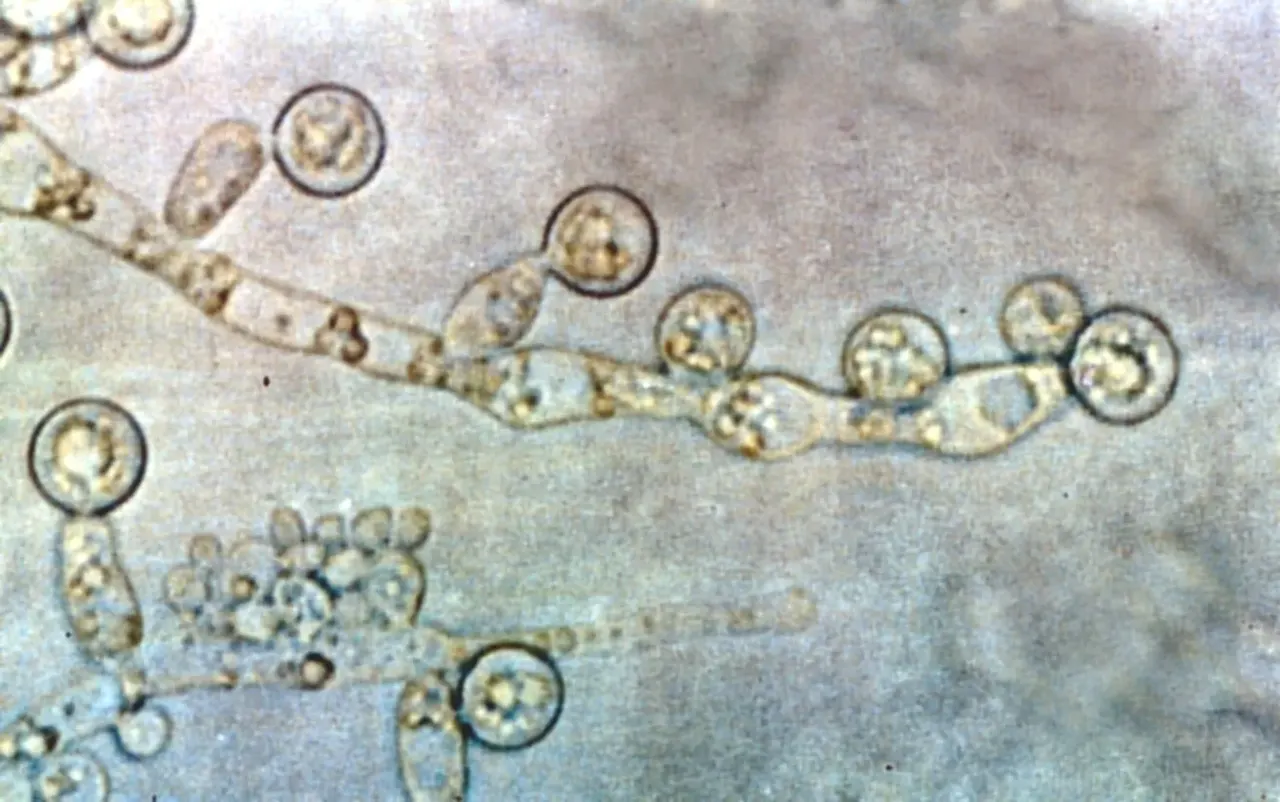
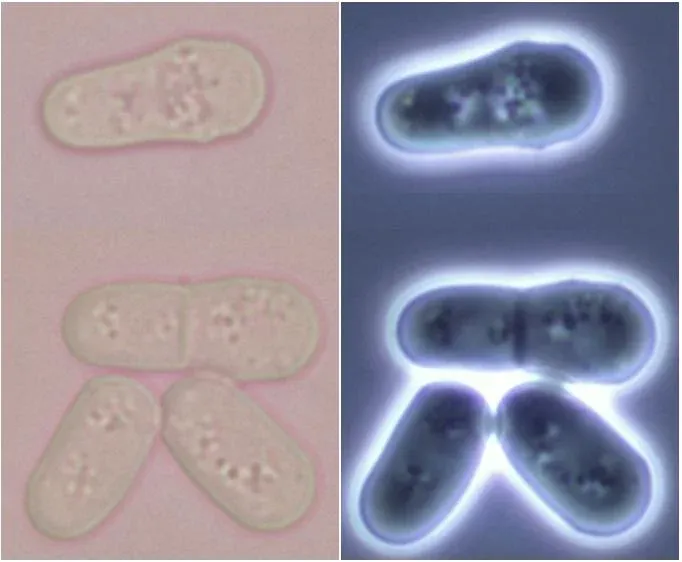
25 AugA bacterial metabolite turns Candida from hypha back to yeastScientific discoveriesGladiolin speeds up glucose consumption by Candida albicans, and the resulting drop in sugar switches the fungus from its tissue-invading form to the one that disseminates.
Peer-reviewedSource: Current Biology
25 AugFungi are missing from environmental impact assessmentsConservationA Nature correspondence from Brazil: the country's first national list of threatened fungi covers 24 species, about 0.3 per cent of the fungi known there. The authors want funga in impact reports.
ReportedSource: Nature
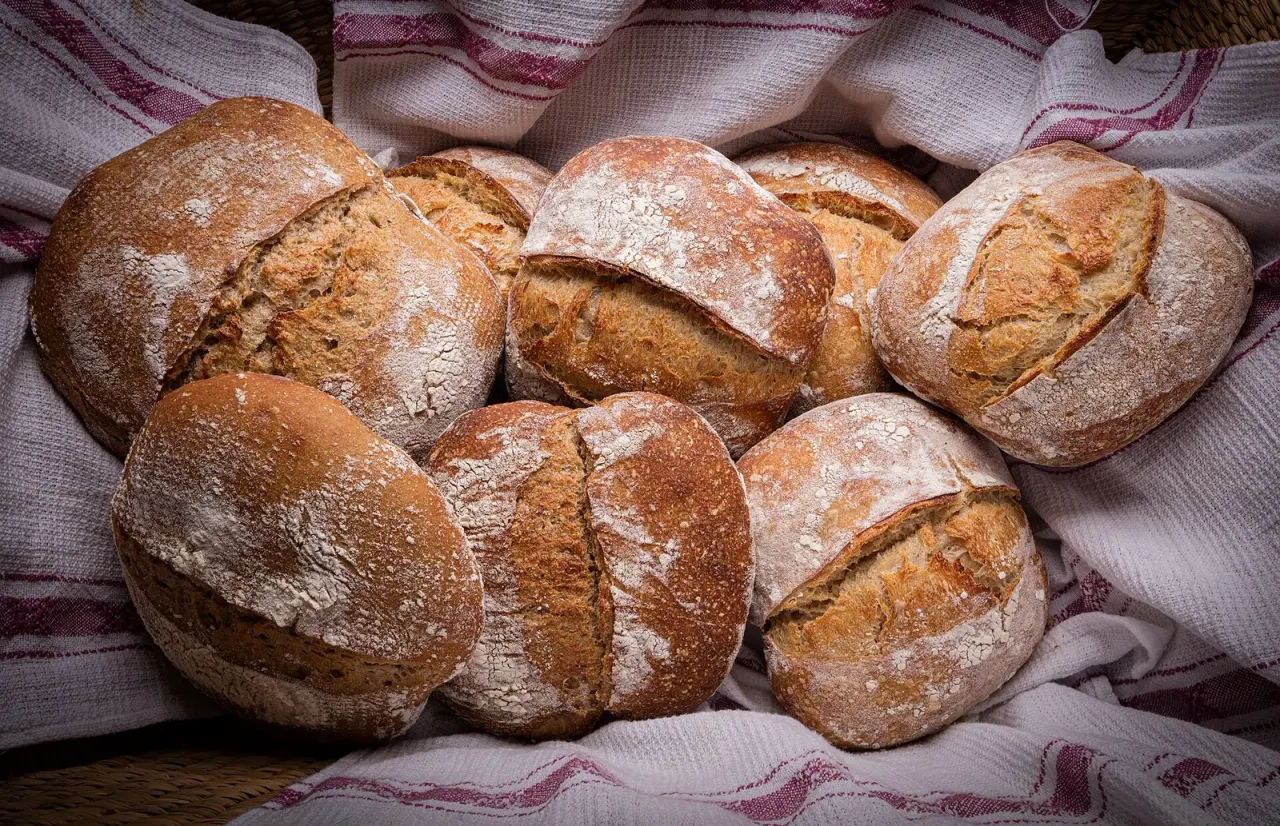
15 AugFlour and feeding schedule shape the sourdough microbiomeFood and cookingA North Carolina State University study shows that flour type shapes a starter's microbial community — and the dominant yeast is not the expected one.
Peer-reviewedSource: Microbiology Spectrum
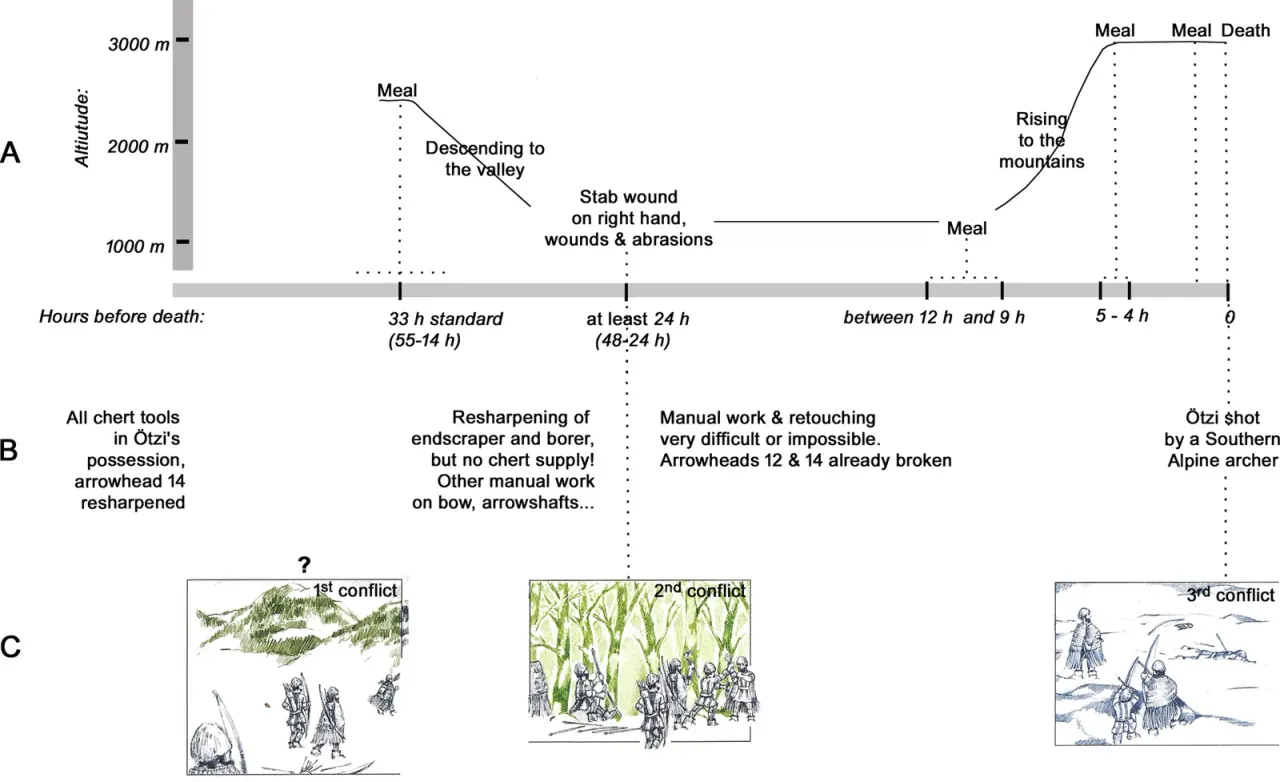
15 AugCold-adapted yeasts are colonising the Iceman’s bodyScientific discoveriesThe analysis separated ancient gut bacteria from yeasts on the mummy’s surface. Their rising abundance and weaker DNA-damage signatures point to active, modern colonisation.
Peer-reviewedSource: Microbiome
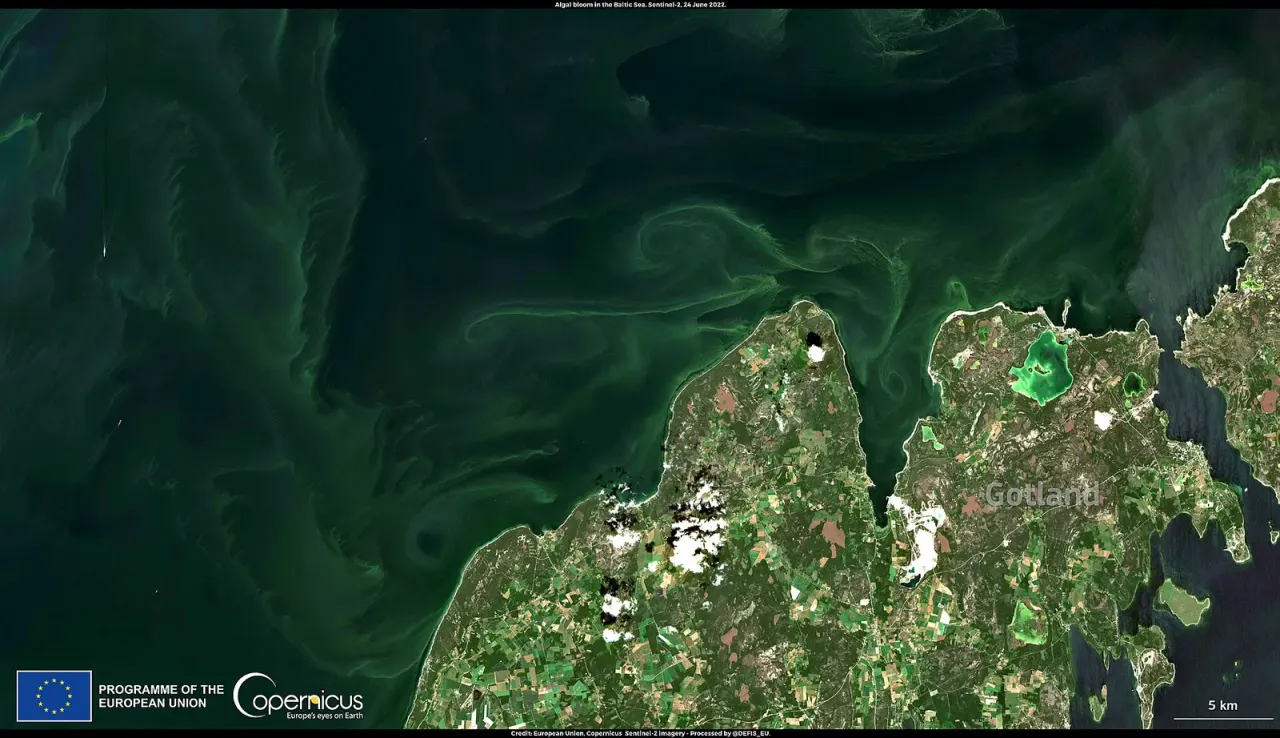
15 AugA marine fungus kills the alga behind toxic bloomsScientific discoveriesAlgophthora mediterranea, described in Mycologia, parasitises a toxic dinoflagellate and can kill its cells within a few days.
Peer-reviewedSource: Mycologia
15 AugFungal infection research catches up with virologyScientific discoveriesA review in Communications Biology shows how single-cell sequencing is entering fungal infection research — and where it still falls short.
Peer-reviewedSource: Communications Biology
15 AugCandida starves the macrophage of sugarMedicineFungus and immune cell compete for glucose. When the macrophage runs out, it ruptures — and Candida gets out.
Peer-reviewedSource: Nature Communications
15 AugA skin fungus turns out to be an allyMedicineMalassezia furfur, known mainly for causing tinea versicolor, strengthened the epidermal barrier in mice through tryptophan metabolites.
Peer-reviewedSource: Nature Microbiology
15 AugWhat stops Candida at the mucosal barrierMedicineA study in Nature Microbiology identifies the interleukin-1 family as the mechanism that halts infection before it leaves the mouth.
Peer-reviewedSource: Nature Microbiology
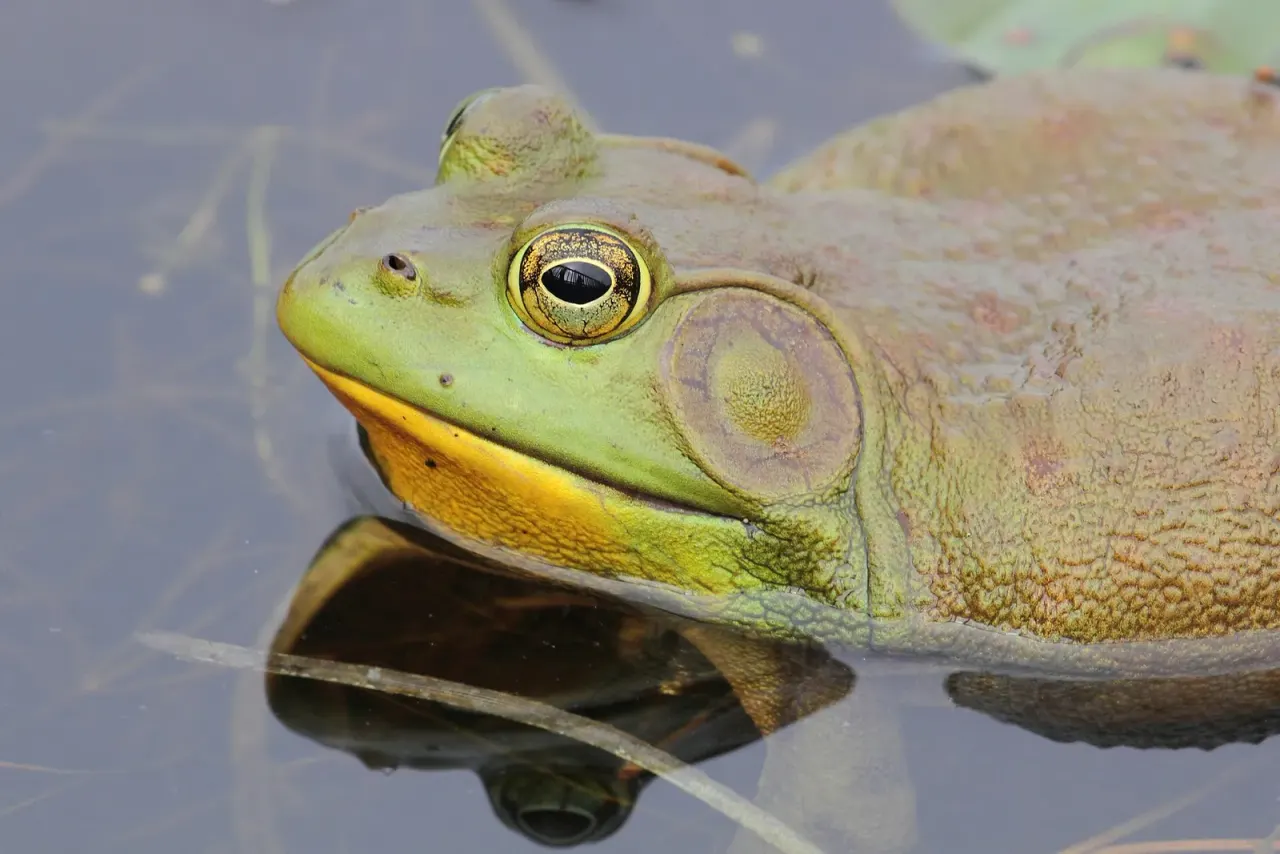
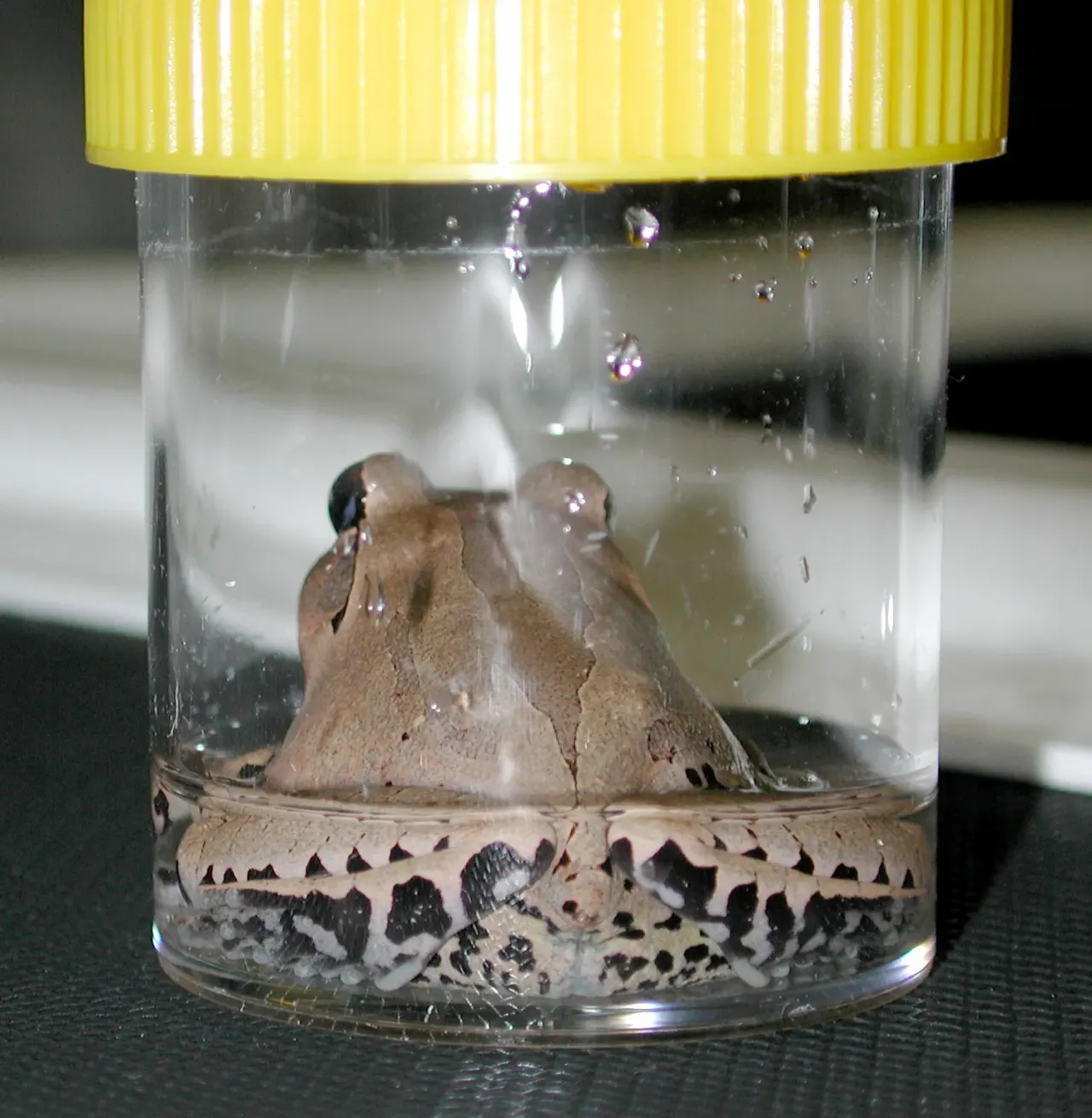
15 AugEvidence links frog trade to the spread of Bd-BrazilConservationMuseum, genetic and historical evidence links Bd-Brazil spread to bullfrog farming and trade, but does not trace a single infected shipment.
Peer-reviewedSource: Biological Conservation

July 20268

30 JulCandida auris reshuffles chromosomes to resist drugsMedicineA study of Candida auris genomes showed that resistance can be strengthened not only by a single mutation but by duplicated segments and extra chromosomes.
Peer-reviewedSource: Nature Communications
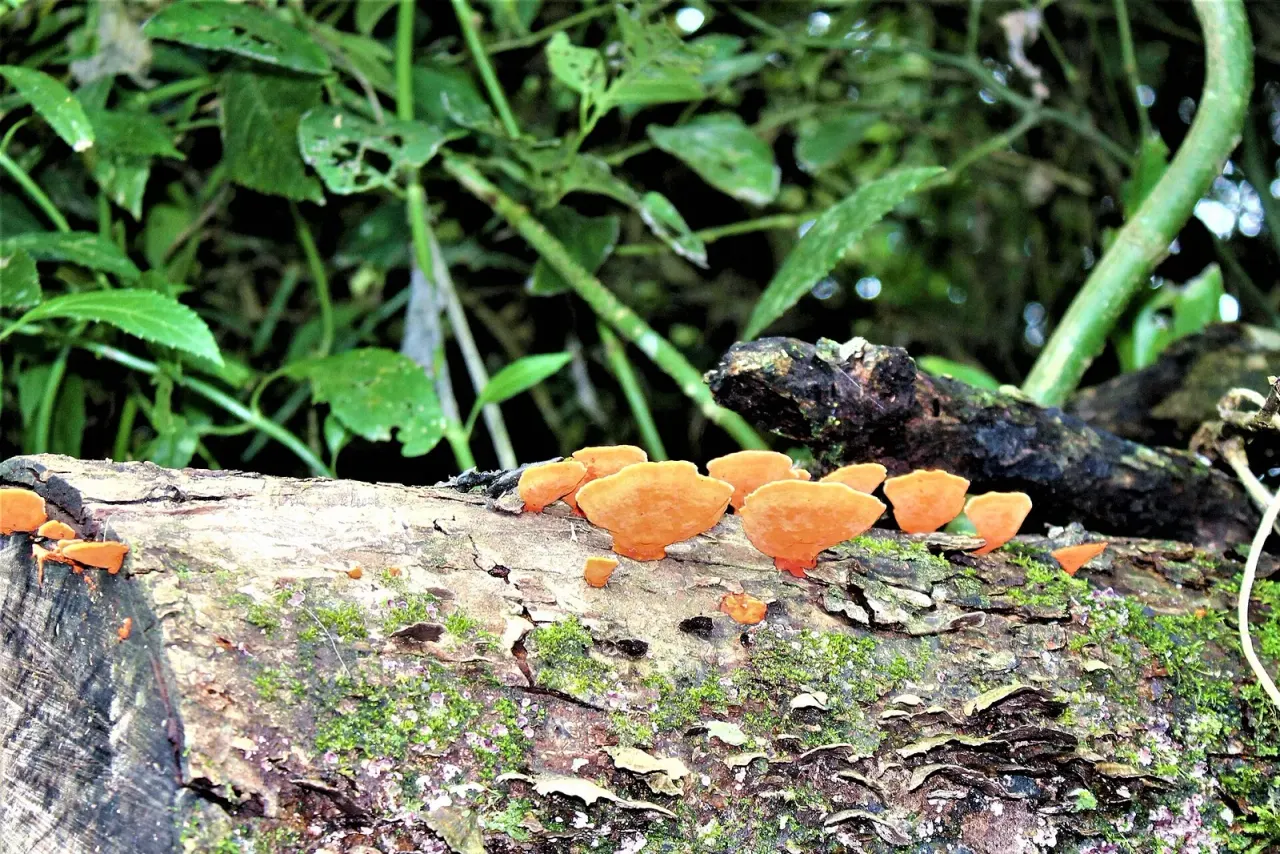
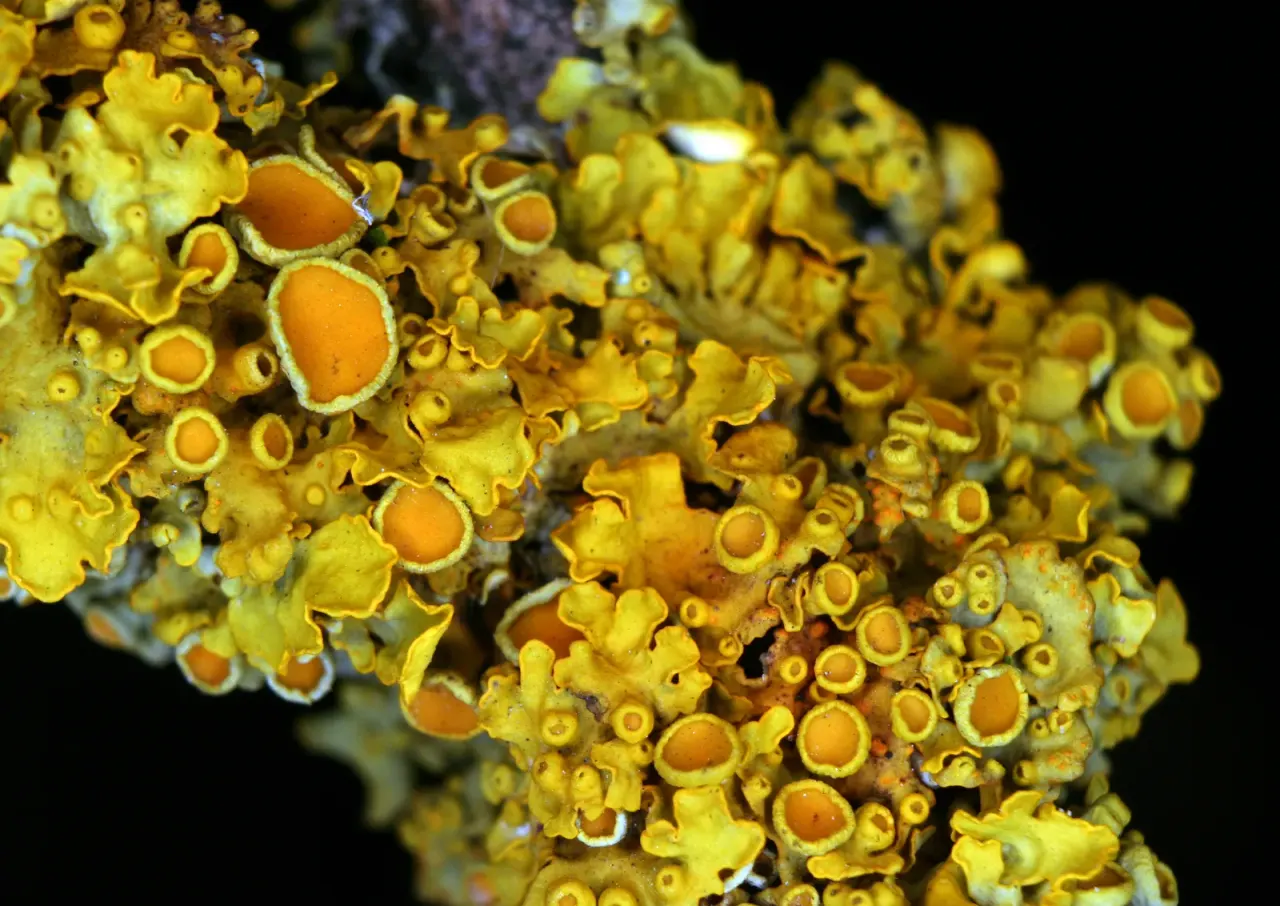
30 JulThe fungus in a lichen helps its alga obtain ironScientific discoveriesThe fungal partner of the common orange lichen makes iron-binding ferrichrome. Experiments suggest it can support the alga when iron is scarce.
Peer-reviewedSource: Nature Communications
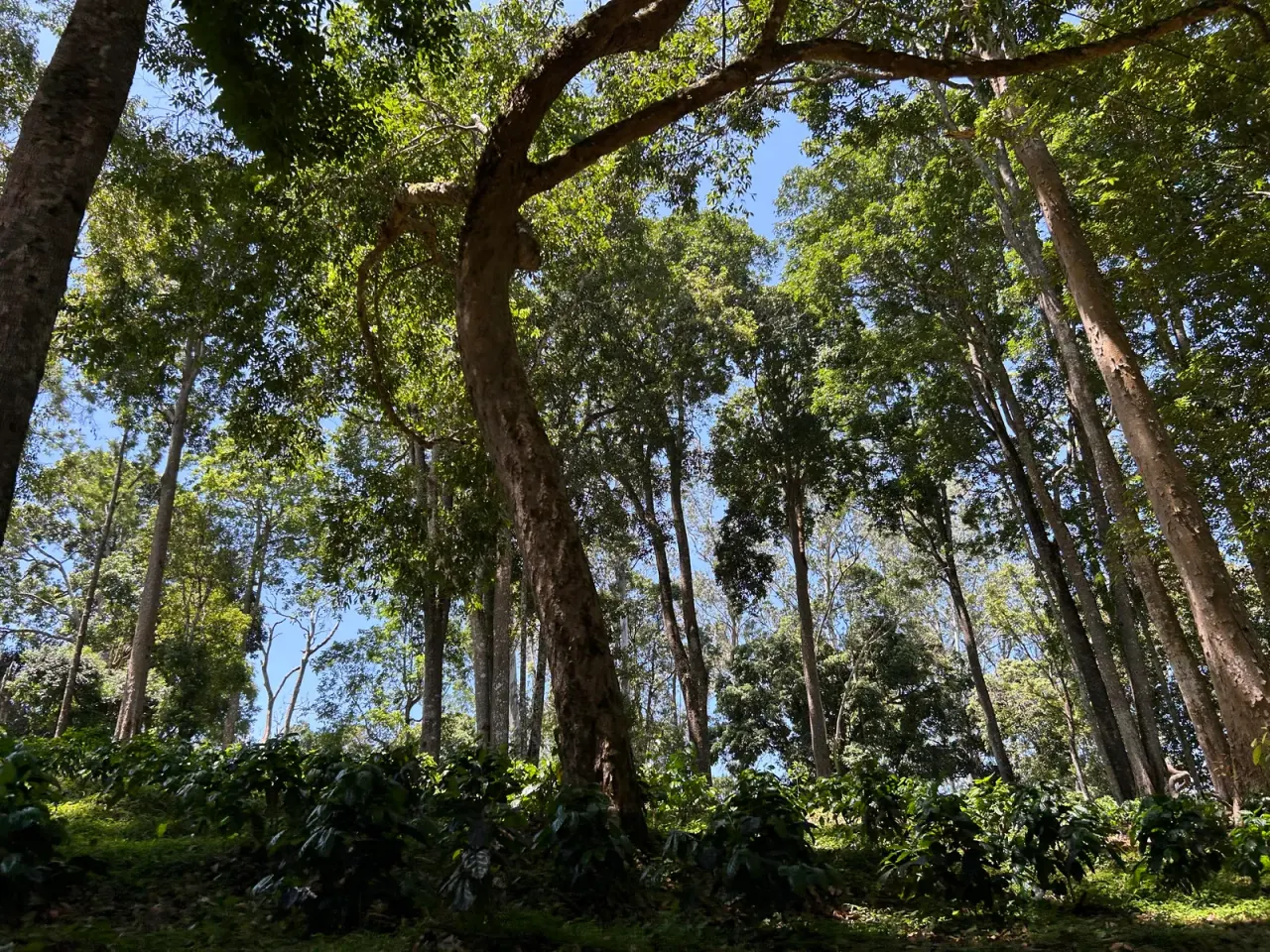
30 JulCoffee plantation fungi spill into Costa Rican forestConservationWork at the boundary of plantation and forest showed some coffee-associated fungi reaching forest plants. The effect weakened with distance from the crop.
Peer-reviewedSource: Nature Communications
30 JulClimate change raises fungal pathogen pressureFungi and climateWarming, extreme weather and transport are changing fungal-disease risk in people, animals and plants. The authors of this three-page Comment set surveillance priorities; it is not a systematic review.
CorroboratedSource: Nature Reviews Microbiology
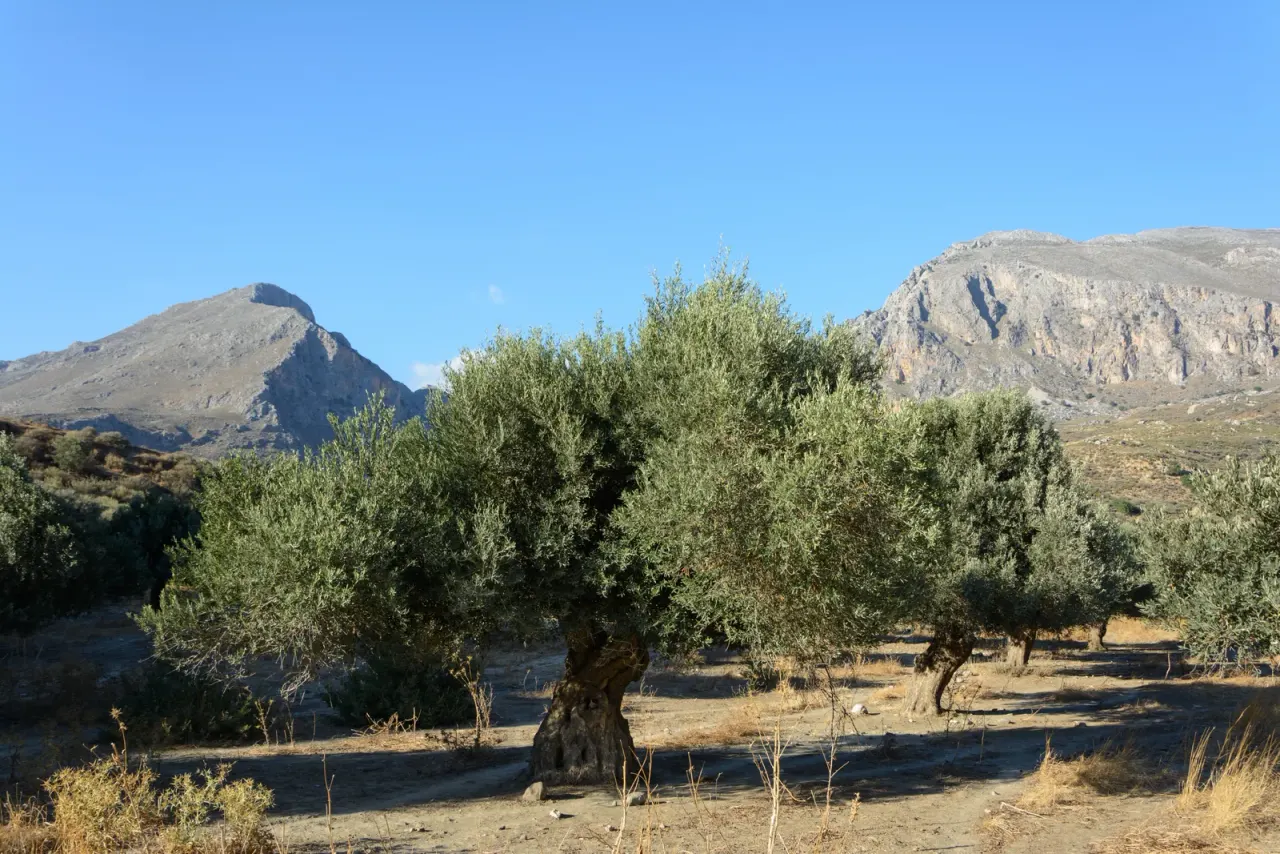
30 JulOne fungal effector defoliates cotton and oliveCultivation and industryResearchers identified a protein secreted by Verticillium fungi that determines defoliation in cotton and olive. The gene may have moved between pathogens.
Peer-reviewedSource: Nature Communications
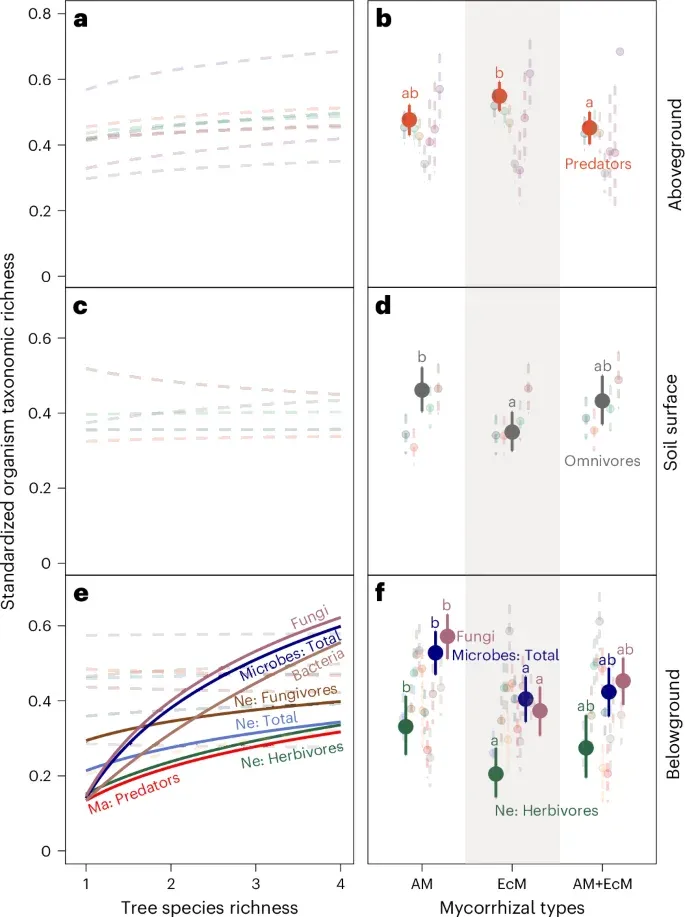
30 JulGlobal map estimates mycorrhizal hyphae in soilFungi and climateFrom more than 16,000 soil samples researchers estimated the spread of arbuscular mycorrhizal networks. It is a model, not a direct measurement.
Peer-reviewedSource: Science
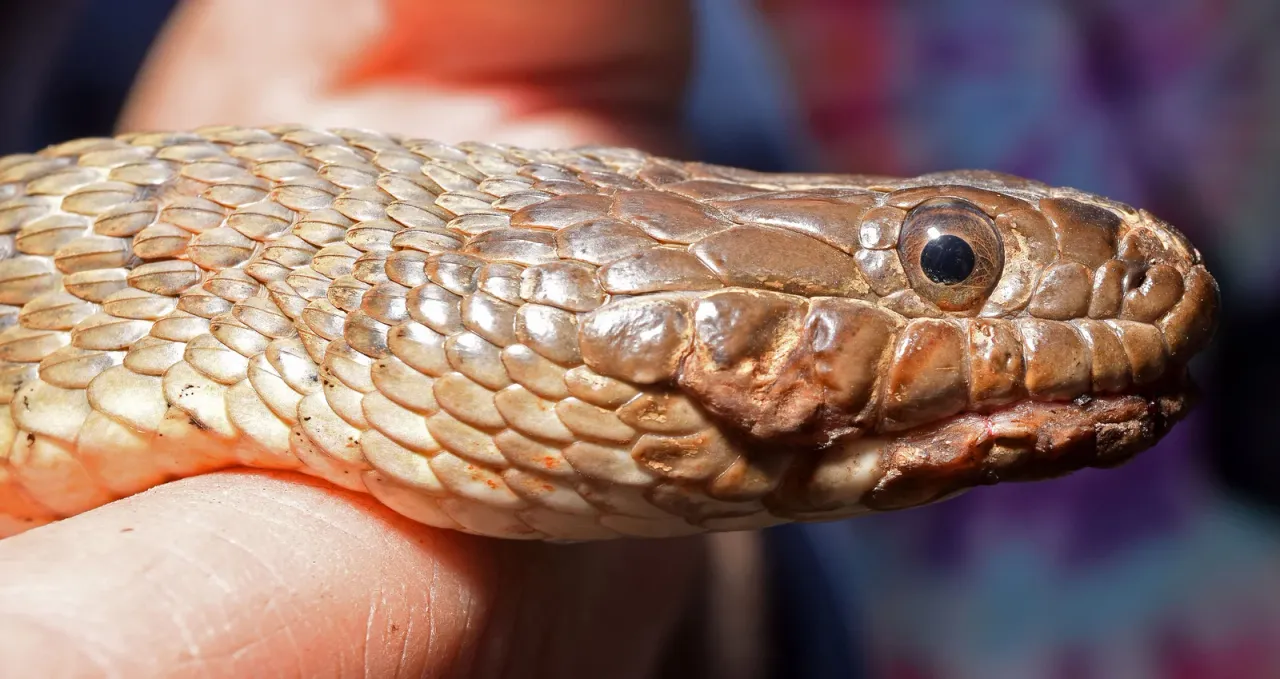
30 JulEarly skin defence helps midwife toads survive chytridConservationIn midwife toad populations that are recovering, peptide skin defence matured as early as the tadpole stage. An important lead, but not the only explanation.
Peer-reviewedSource: Nature Chemical Biology
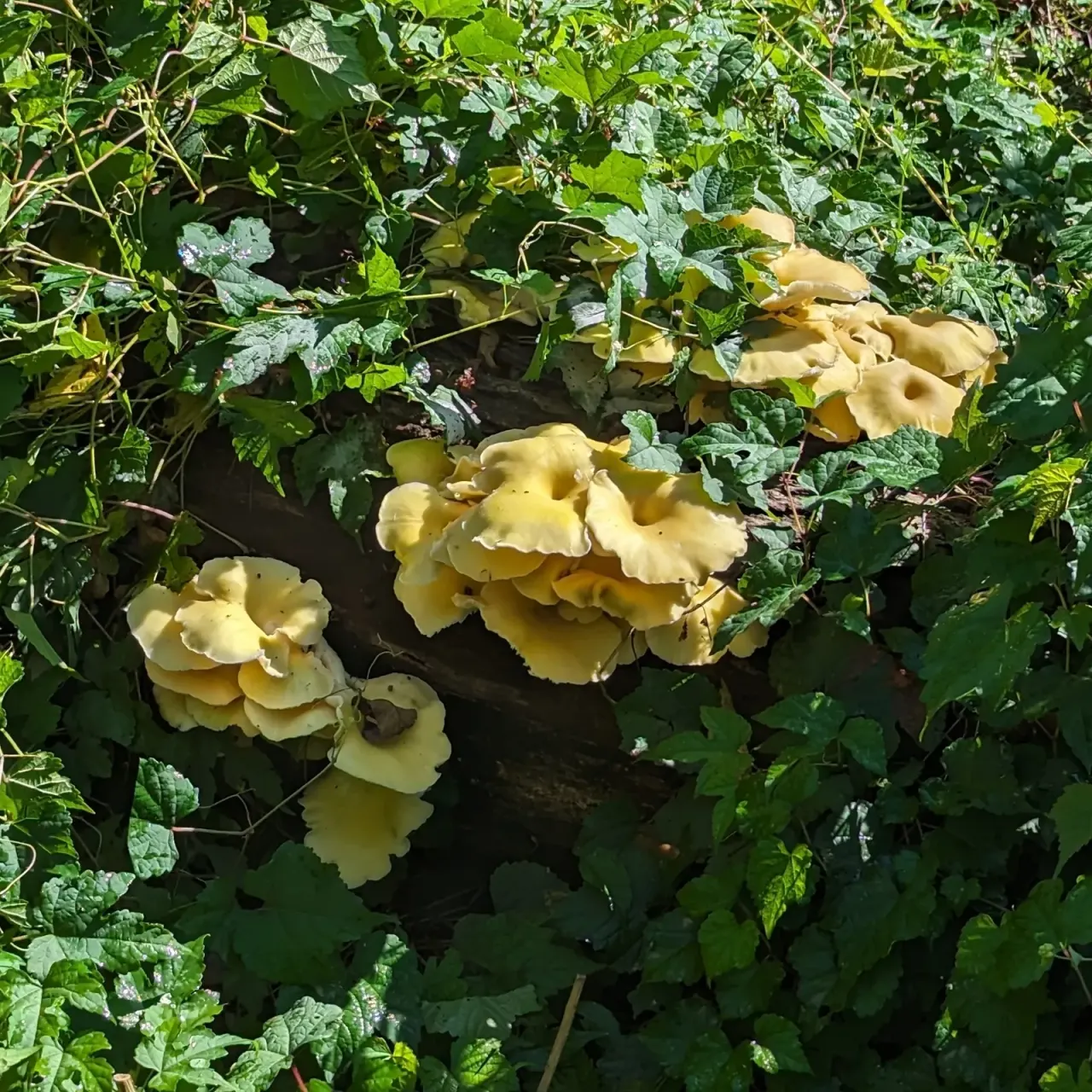
30 JulGolden oyster escapes cultivation in North AmericaConservationPleurotus citrinopileatus escaped cultivation and spread across North America. Trees it had colonised held poorer and different fungal communities.
Peer-reviewedSource: Current Biology