Fungi worldwide

Curiosities

Short, sourced facts about fungi. Each one is marked as confirmed, disputed or a myth, so you always know what you are reading.

entries
29
illustrated
29
with sources
29

Curiosities

Symbiosis 4

A lichen is more than the classic pair
Peer-reviewedSymbiosis

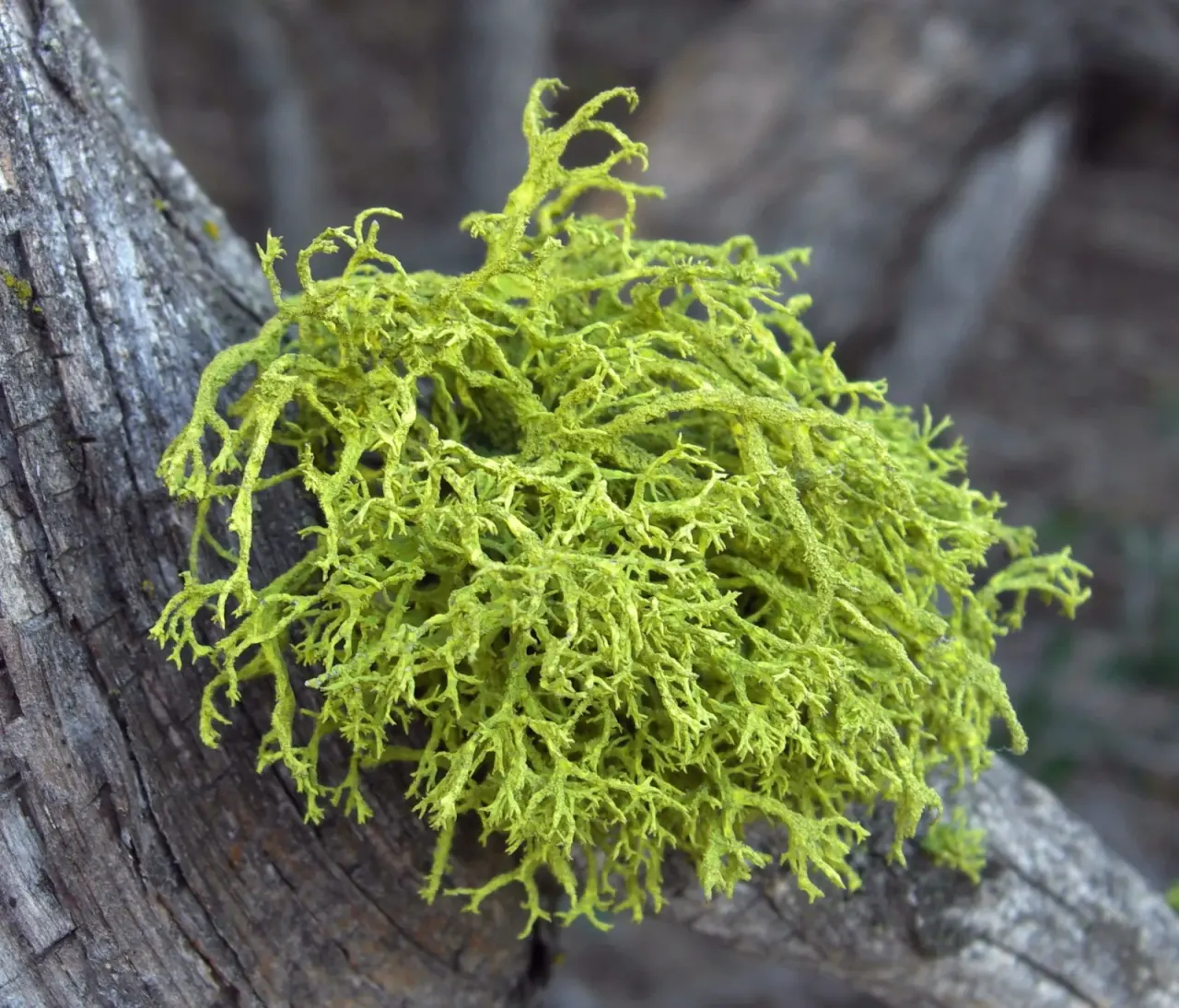
A lichen is more than the classic pair

Basidiomycete yeasts were found in the cortex of many macrolichens, but this does not establish an obligatory third partner in every lichen. A thallus hosts a broader microbiome.

Source: Spribille et al. 2016 — basidiomycete yeasts in the cortex of ascomycete macrolichens
Most land plants live in symbiosis with fungi
Peer-reviewedSymbiosis

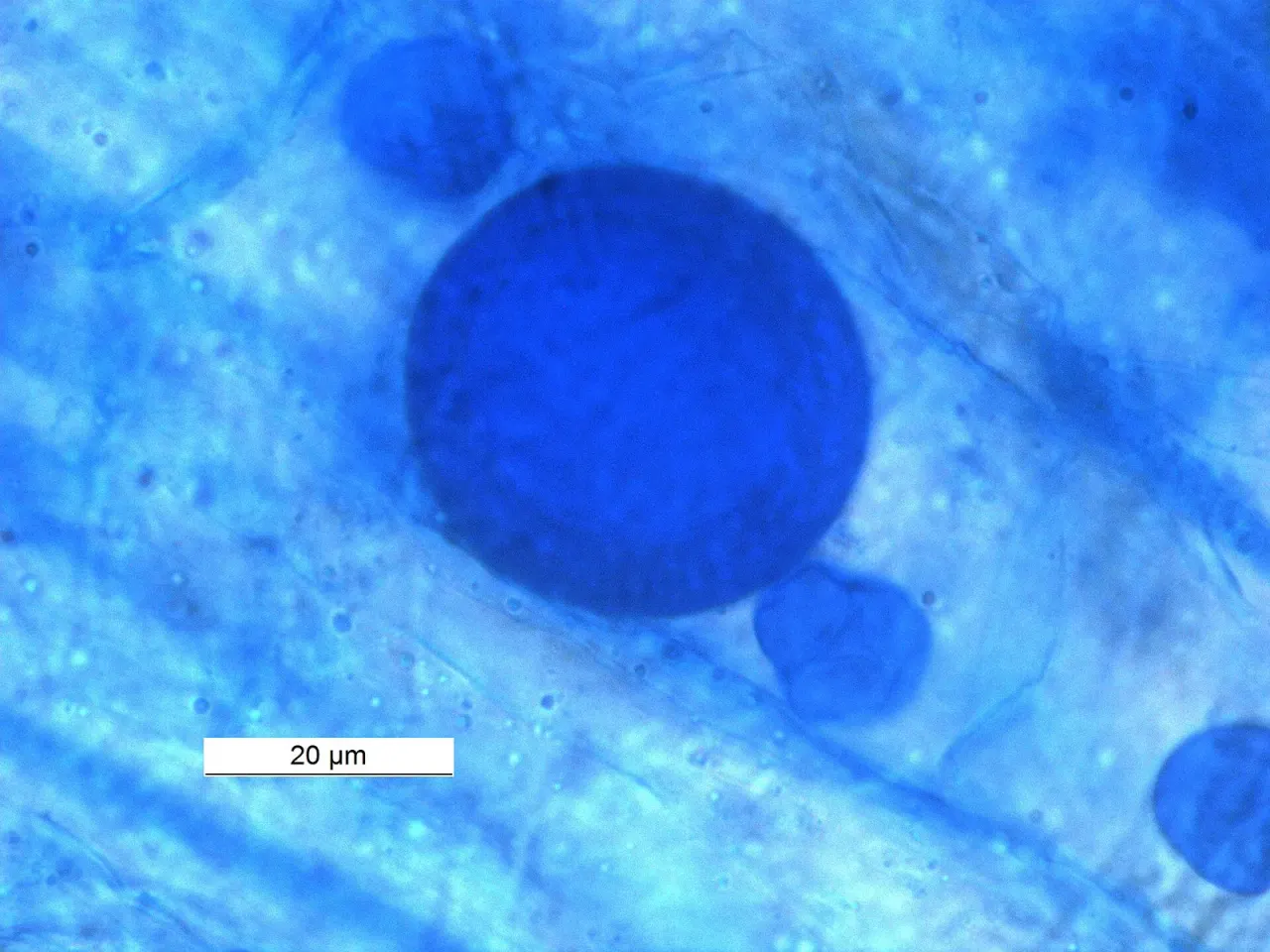
Most land plants live in symbiosis with fungi

Mycorrhiza is dominant among land plants, but “90%” conflates several kinds of association. The synthesis estimates about 72%, 2%, 1.5%, and 10% of species.

Source: Royal Botanic Gardens, Kew — State of the World’s Fungi

Termites farmed fungi long before humans did
Peer-reviewedSymbiosis

Termites farmed fungi long before humans did

Termites of the subfamily Macrotermitinae grow fungi of the genus Termitomyces in underground gardens, in a symbiosis tens of millions of years old.

Source: Oligocene termite nests with fungus gardens (2016)

Fungi are closer to animals than to plants
Peer-reviewedSymbiosis

Fungi are closer to animals than to plants

Molecular analyses place fungi and animals in the shared group Opisthokonta. Fungi do not photosynthesise; they absorb substances from around them.

Source: Phylogenomics of Opisthokonta — a taxon-rich tree

Curiosities

Myths 3

Maggots in a mushroom do not mean it is edible
Peer-reviewedMyths

Maggots in a mushroom do not mean it is edible

The rule "if animals ate it, it is safe" does not hold. Mycophagous fly larvae tolerate amanitin — humans do not.

Source: Jaenike & Grimaldi 1983 — α-amanitin tolerance in mycophagous Drosophila

Cooking does not remove death cap poison
Peer-reviewedMyths

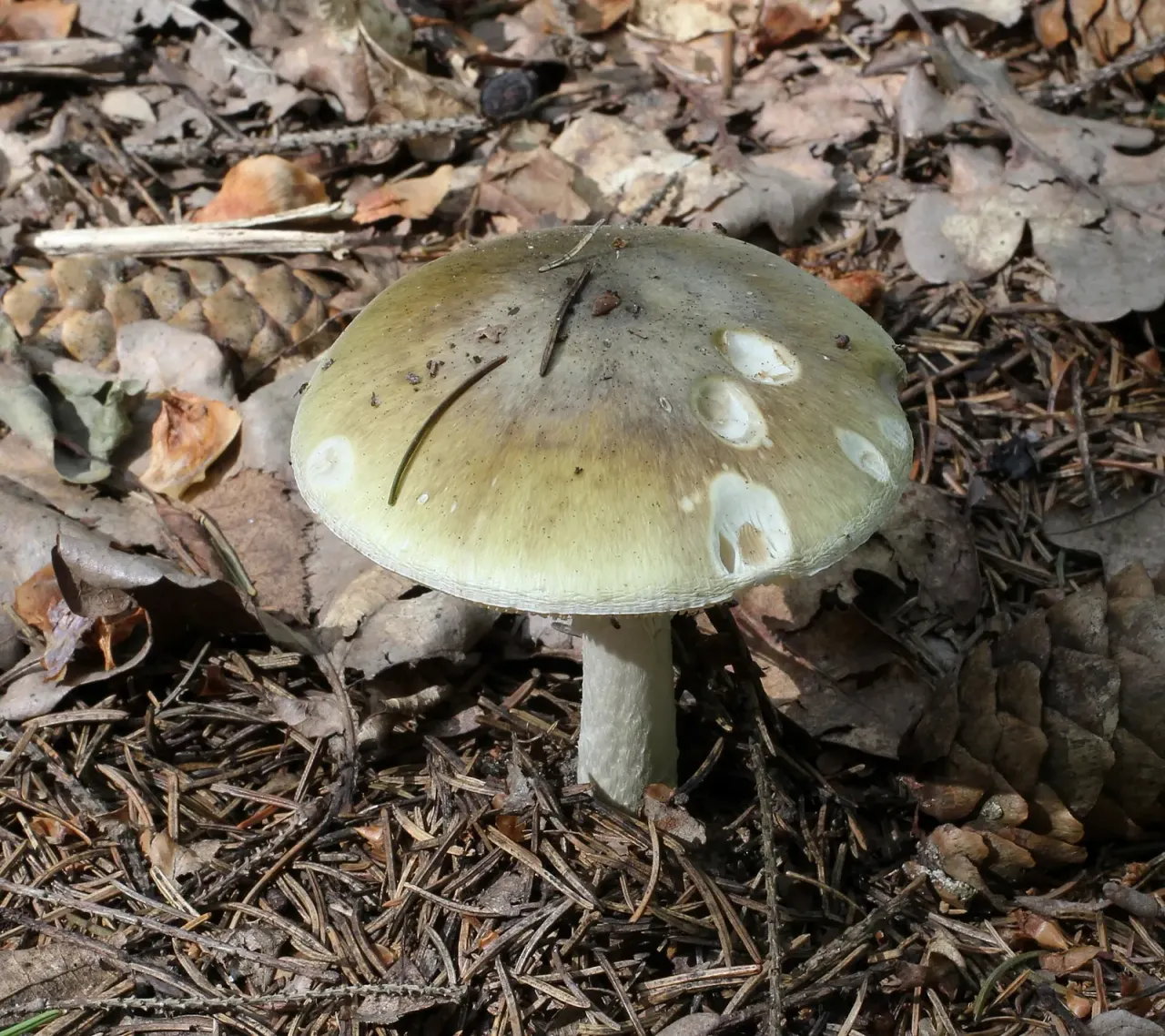
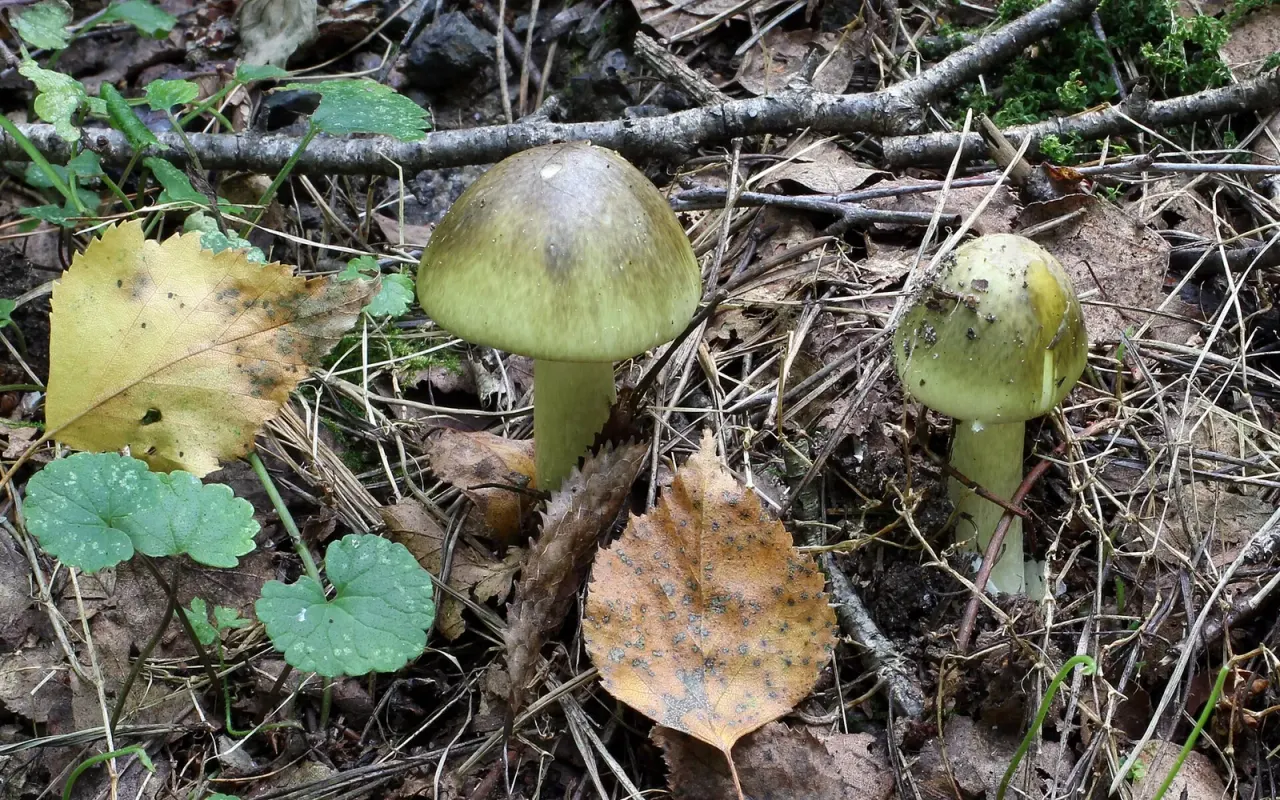
Cooking does not remove death cap poison

Amatoxins are heat-stable. Boiling, frying, drying and pickling do not make the death cap edible under any circumstances whatsoever.

Source: Chief Sanitary Inspectorate of Poland

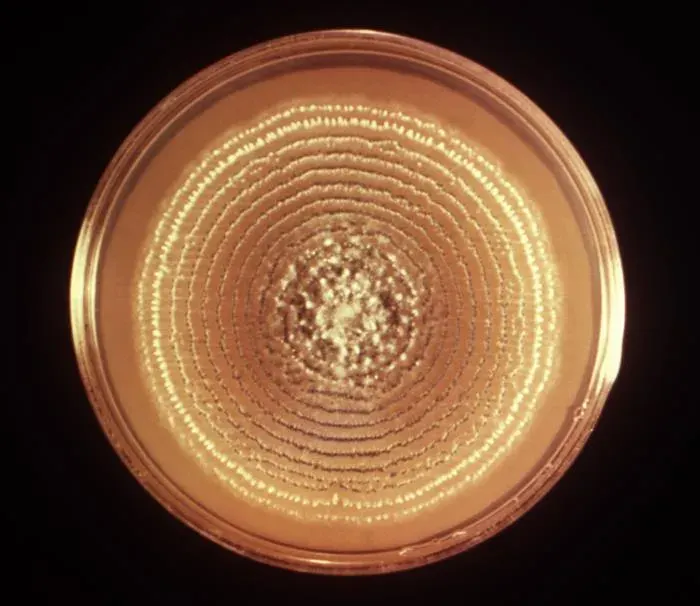
Fairy rings are mycelium growing outwards
CorroboratedMyths

Fairy rings are mycelium growing outwards

A ring can record a mycelial growth front, but soil, drought, obstacles and competition often break the ideal geometry. Not every vegetation ring is fungal.

Source: Fungal fairy rings: history, ecology, dynamics (2025)

Curiosities

Records 3

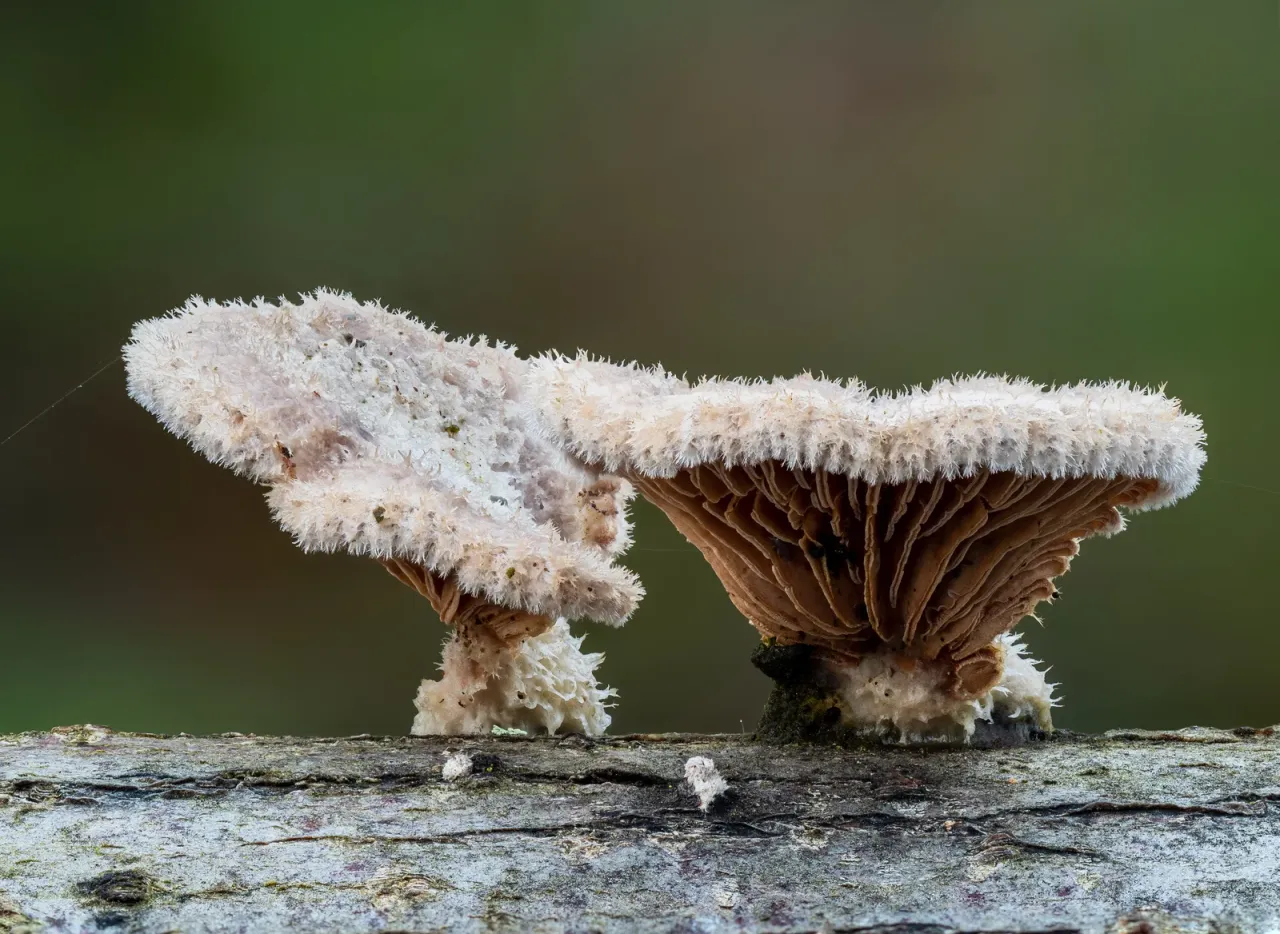
Split-gill mushroom with its characteristic divided gills
Peer-reviewedRecords

Thousands of mating types in split-gill fungi: what does that mean?

The familiar figure of 23,328 describes possible genetic mating-type combinations in split-gill fungi. Behind the striking number lies a compatibility system invisible in a mushroom photograph.

Source: Mating types and subtypes in Schizophyllum commune

One honey fungus individual covers 965 hectares
Peer-reviewedRecords

One honey fungus individual covers 965 hectares

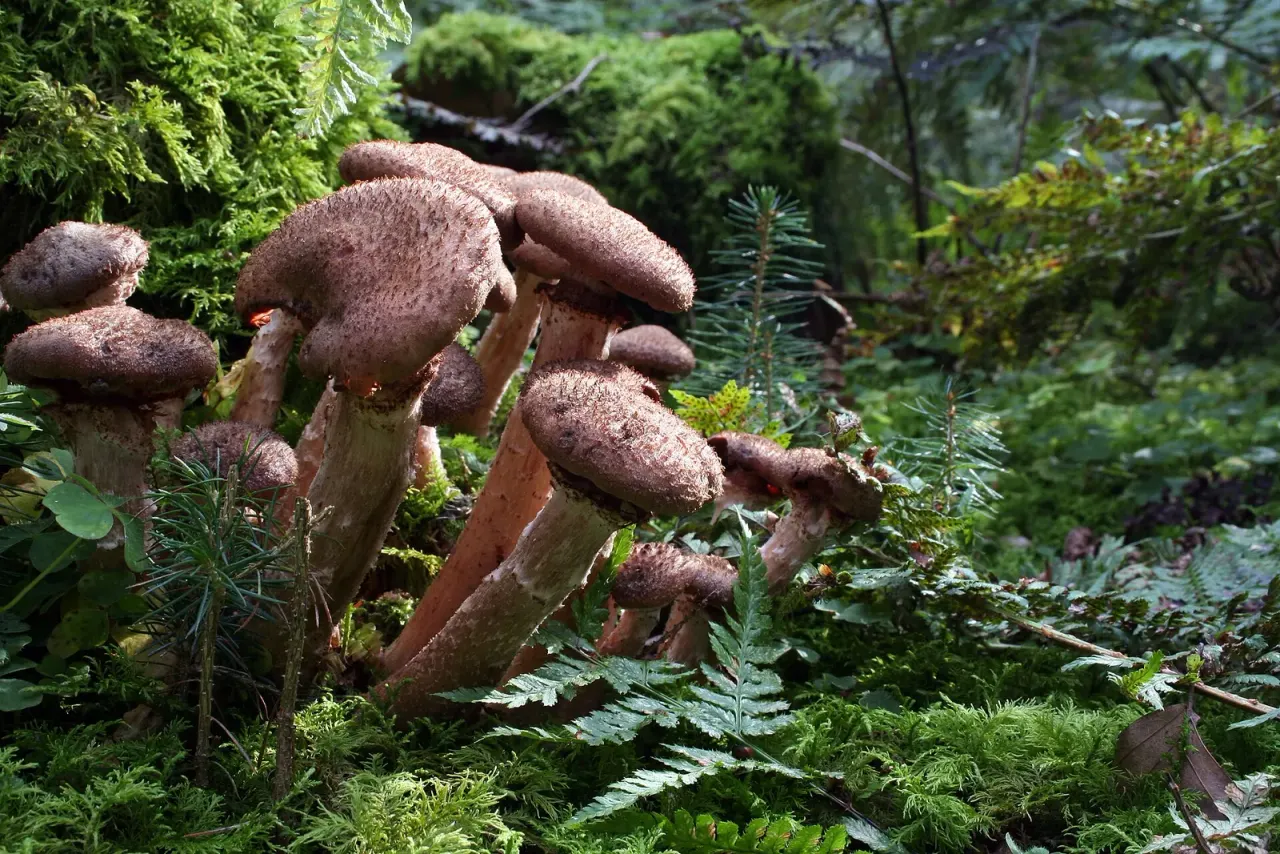
A genetically uniform Armillaria ostoyae in Oregon extends over about 965 hectares. The record concerns mycelium, not the size of a fruiting body.

Source: USDA Forest Service — Malheur National Forest

Curiosities

Technology 3

A fungus grows on polyurethane, even without oxygen
Peer-reviewedTechnology

A fungus grows on polyurethane, even without oxygen

An endophyte from the Ecuadorian Amazon degrades polyester polyurethane and grows on it as its only carbon source.

Source: Russell et al. 2011 — biodegradation of polyester polyurethane by endophytic fungi

The first antibiotic came from a mould
Peer-reviewedTechnology

The first antibiotic came from a mould

In 1928 Alexander Fleming noticed that a mould of the genus Penicillium inhibited bacterial growth on a culture plate. So began the age of antibiotics.

Source: Nobel Prize 1945 — Fleming, Chain, Florey

Thirty fungal lineages described from DNA alone
Peer-reviewedTechnology

Thirty fungal lineages described from DNA alone

In 2025 researchers described 30 high-level fungal lineages—from order to phylum—using long sequences and deposited environmental material.

Source: MycoKeys — taxonomic journal (Pensoft)

Curiosities

Spores 3

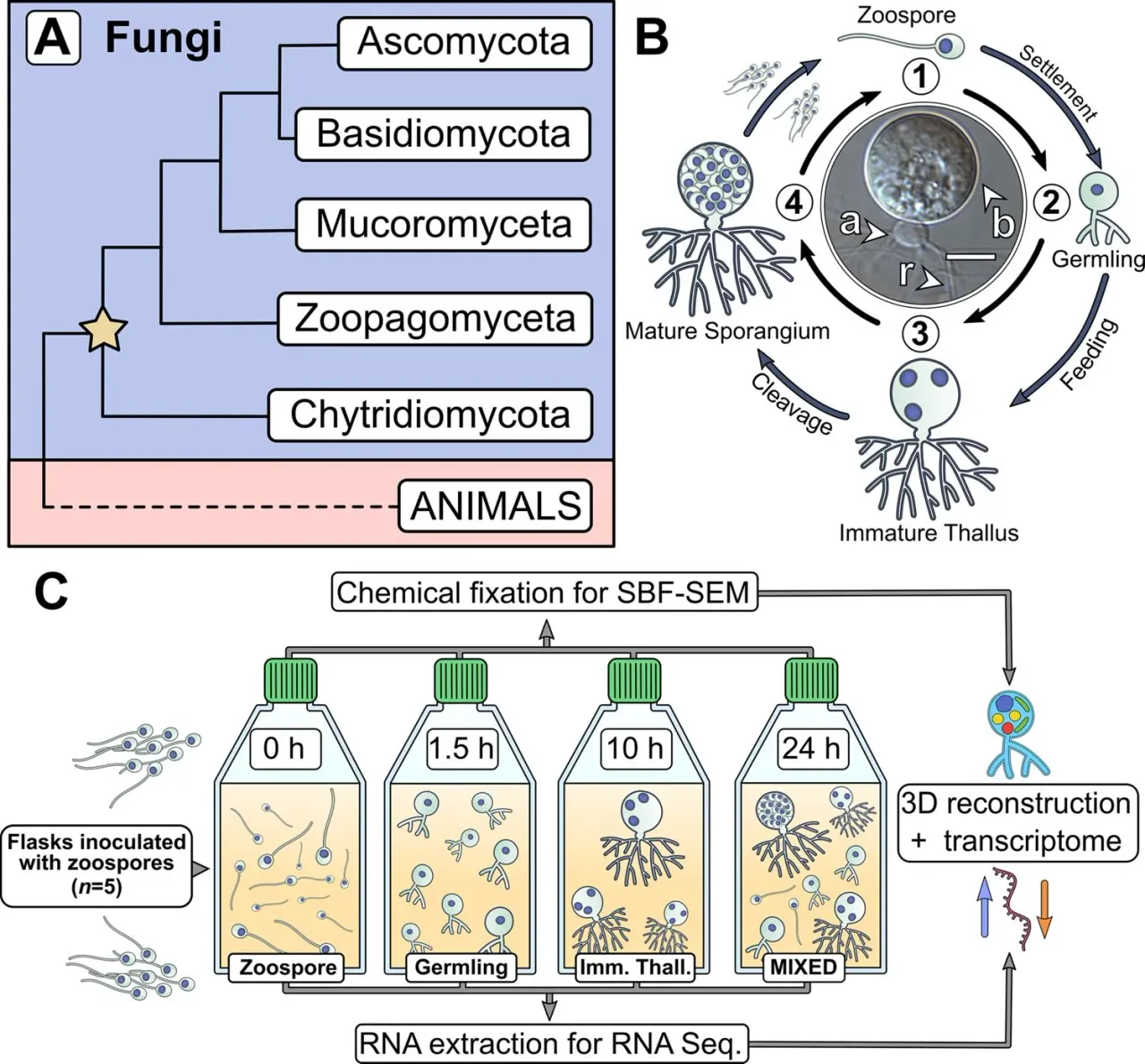
Life cycle of the chytrid Rhizoclosmatium globosum including its motile zoospore
Peer-reviewedSpores

Some fungal spores can swim

Wind is not the only transport available to fungi. Chytrids produce motile zoospores, and their aquatic life cycles connect cell biology with lake food webs.

Source: A cellular and molecular atlas of chytrid development

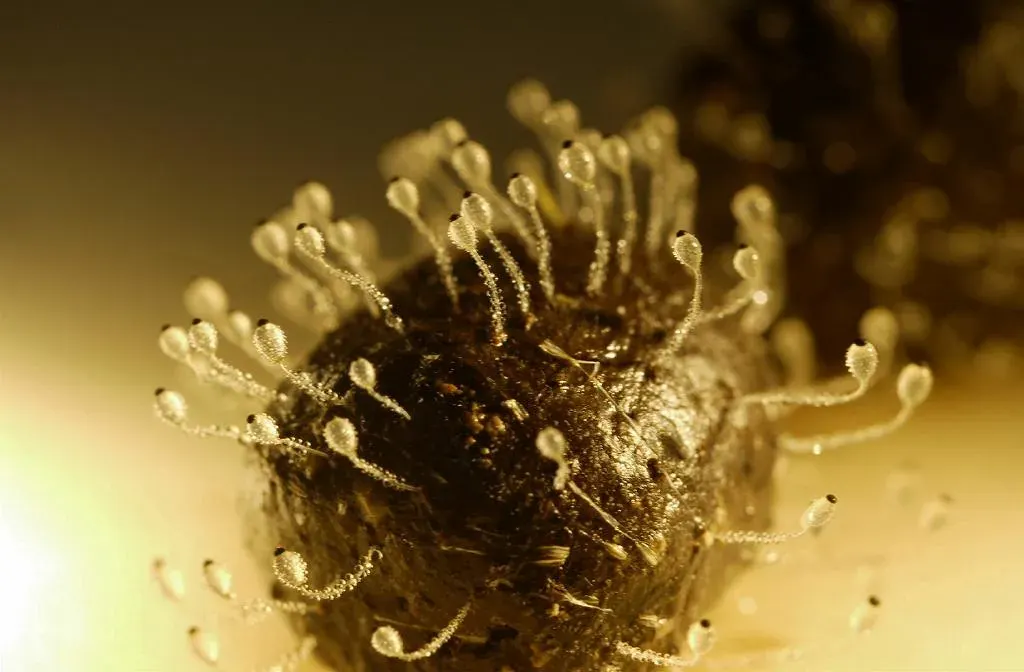
Fungi generate their own wind for their spores
Peer-reviewedSpores

Fungi generate their own wind for their spores

Coordinated spore discharge and evaporative cooling are two different ways fungi create local airflows. We explain the mechanisms and the evidence.

Source: Roper et al. 2010 — dispersal of fungal spores on a cooperatively generated wind

Spores fired at 180,000 g
Peer-reviewedSpores

Spores fired at 180,000 g

The 180,000-g maximum was measured in Ascobolus immersus, not Pilobolus. Four dung fungi in the study reached roughly 20,000–180,000 g.

Source: Yafetto et al. 2008, “The Fastest Flights in Nature”

Curiosities

Other 13

Microscopic Arthrobotrys flagrans traps and receptor experiments
Peer-reviewedFungi and animals

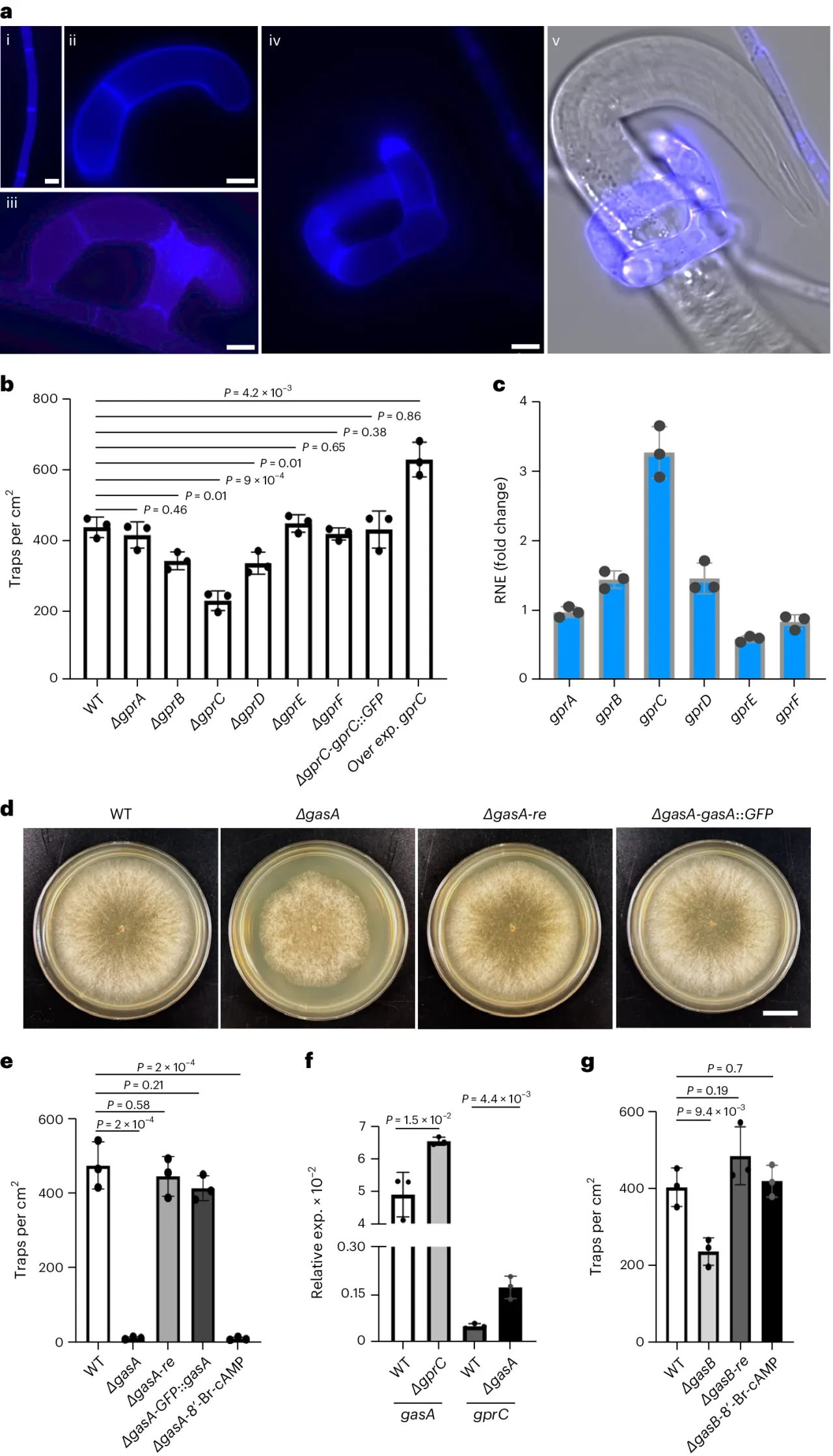
A fungus builds sticky nets when it detects nematodes

Some fungi are predators. Chemical signals from nematodes trigger the construction of hyphal traps, while experiments reveal which receptors control this change in growth.

Source: GprC and fungal nematode hunting

The fungus that needs salt in order to grow
Peer-reviewedExtreme environments

The fungus that needs salt in order to grow

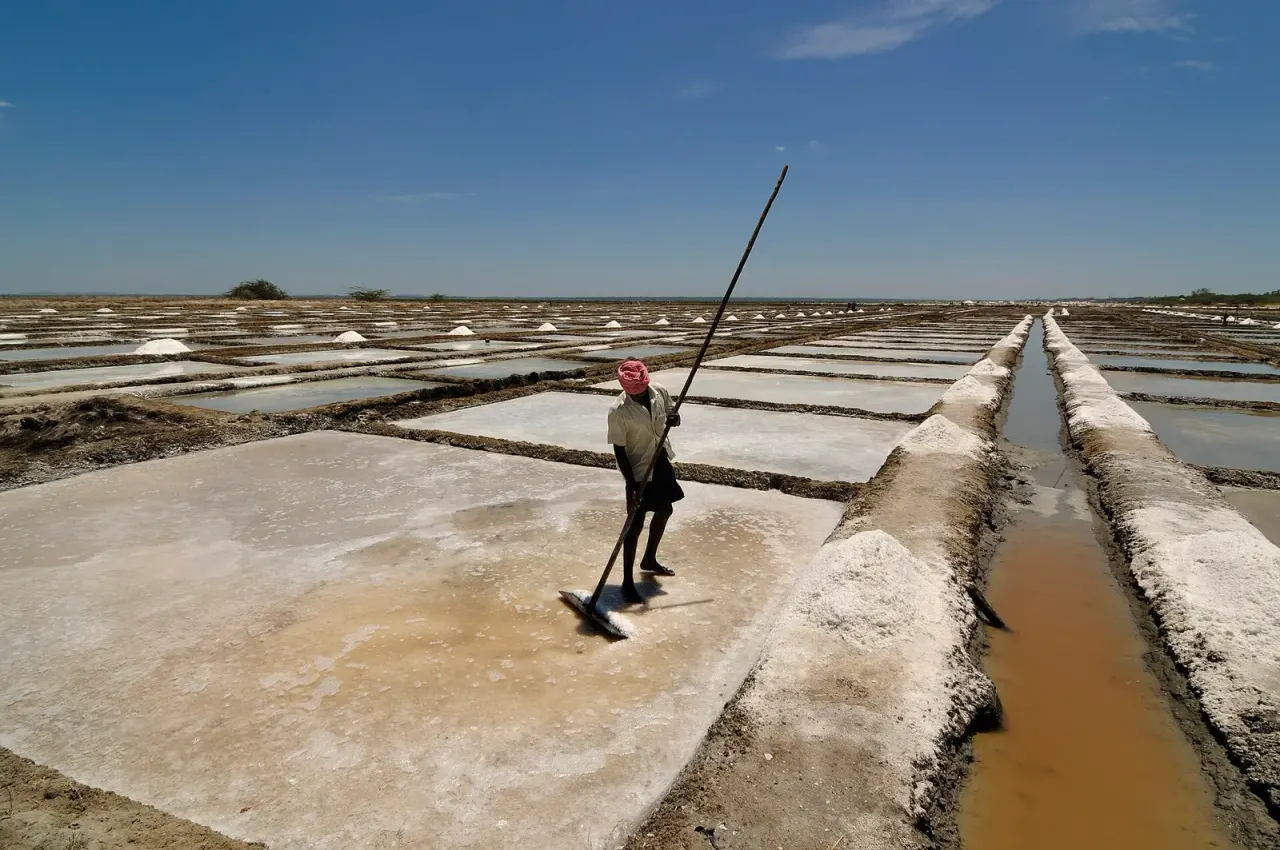
Wallemia ichthyophaga requires at least 10% salt and thrives in saturated brine. Among fungi that behaviour is exceptional.

Source: Zajc et al. 2013 — genome of the halophilic fungus Wallemia ichthyophaga

A fungus made the green in Renaissance intarsia
Peer-reviewedColours

A fungus made the green in Renaissance intarsia

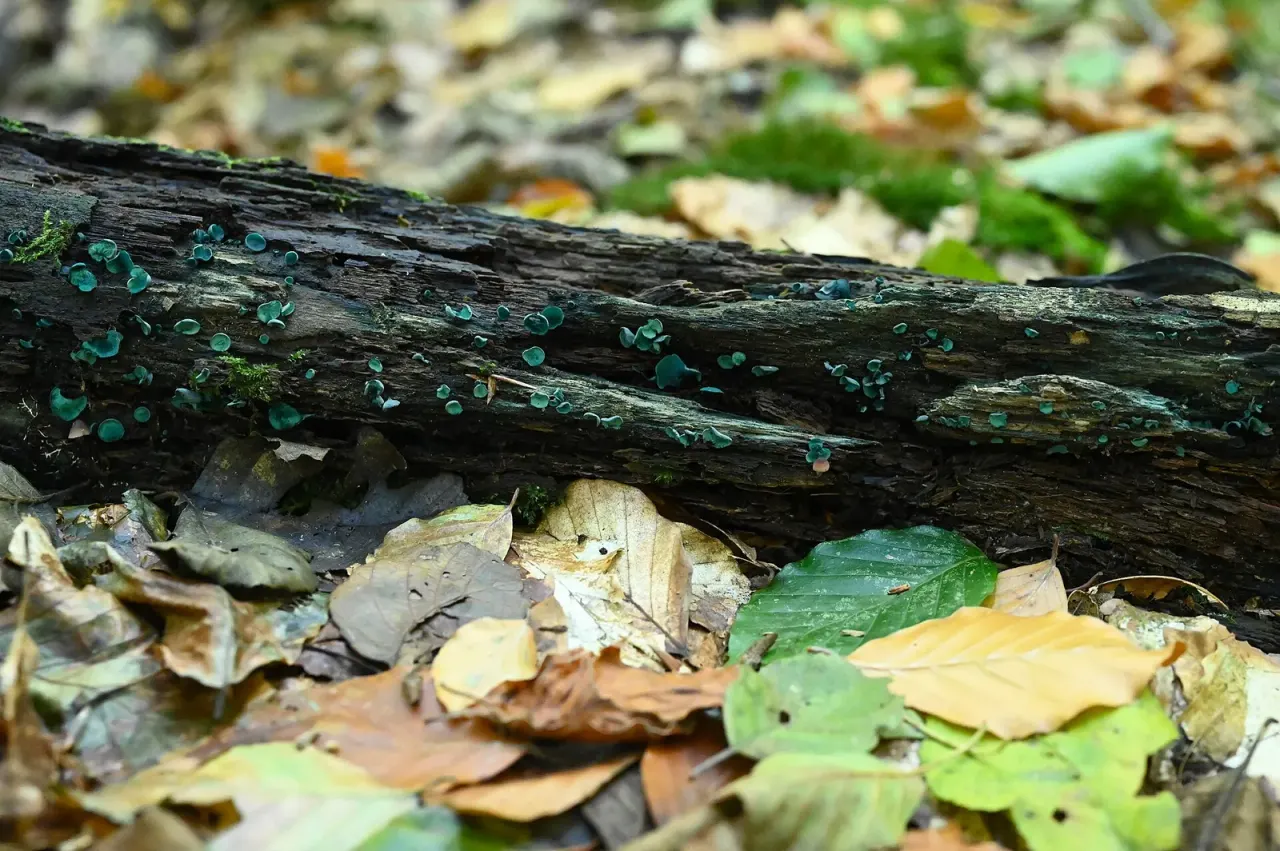
The green in fifteenth-century intarsia came from poplar colonized by Chlorociboria. Its persistent blue-green compound is xylindein.

Source: Blanchette et al. 1992 — green-stained wood in 15th-century intarsia

A fungus produces an amphetamine-like stimulant in cicadas
Peer-reviewedParasitism

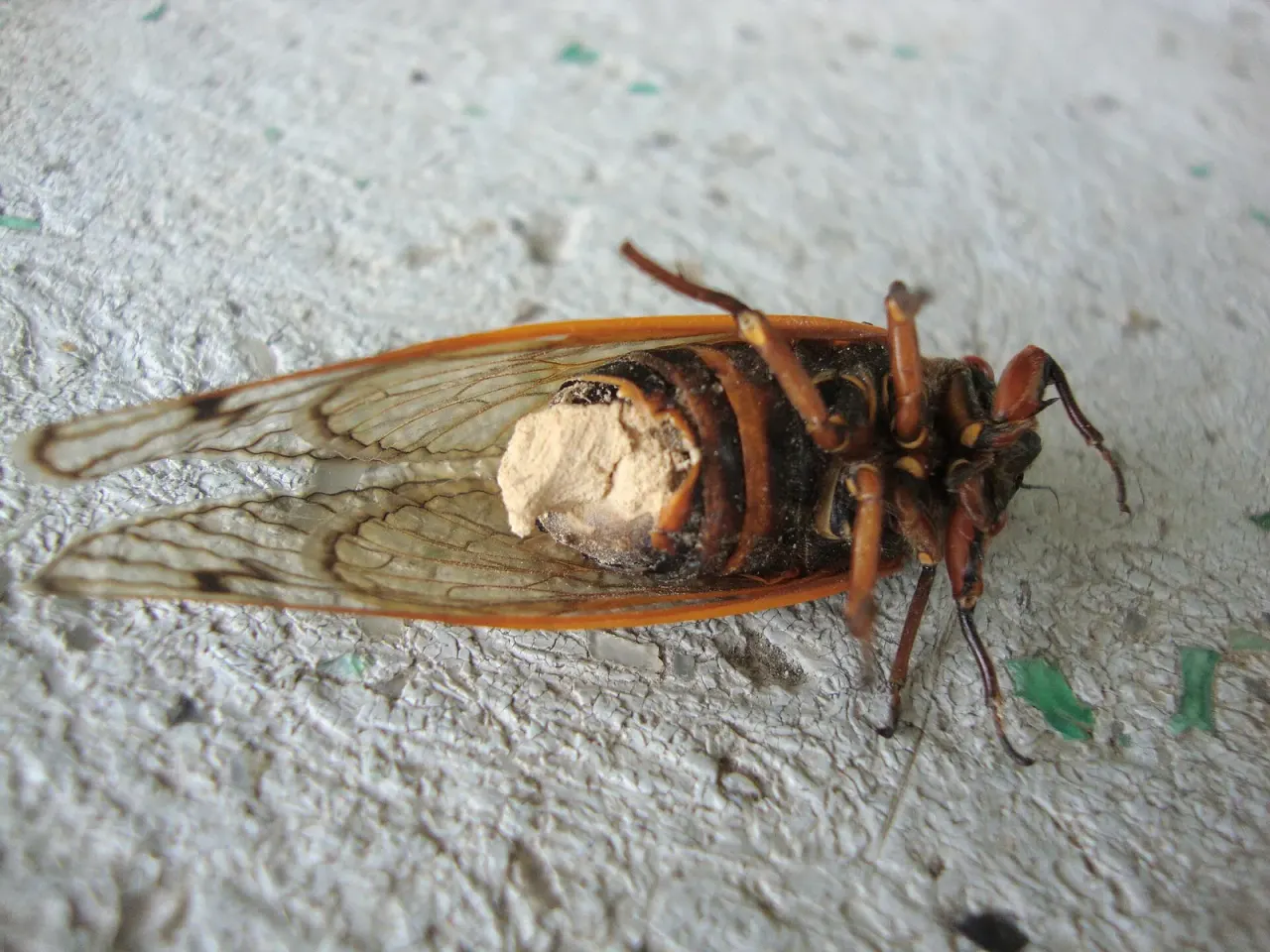
A fungus produces an amphetamine-like stimulant in cicadas

Periodical cicadas infected by Massospora cicadina contained cathinone, not amphetamine. Psilocybin appeared in another fungal lineage infecting annual cicadas.

Source: Boyce et al. 2019 — psychoactive alkaloids from two cicada pathogens

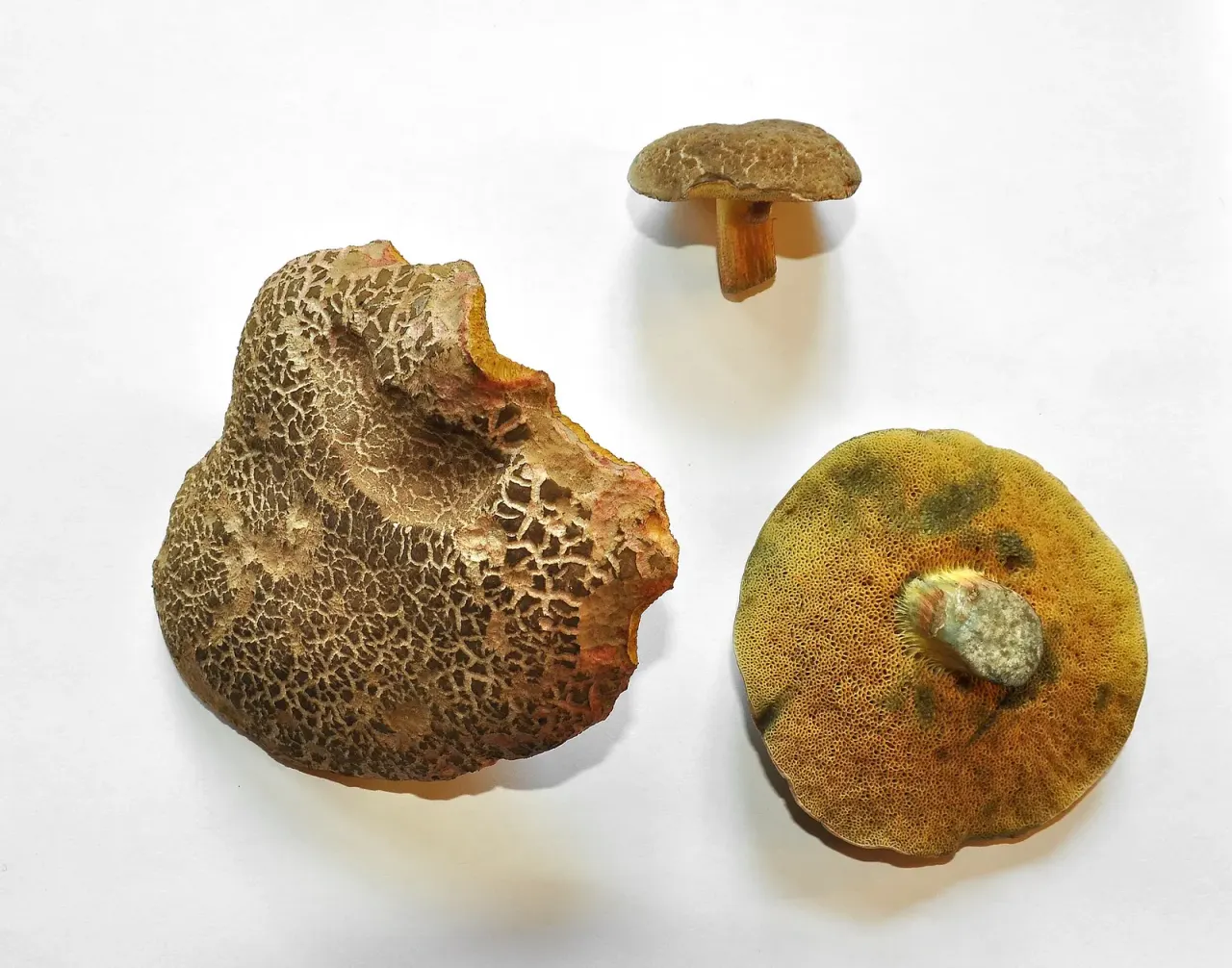
Why boletes turn blue when cut
CorroboratedColours

Why boletes turn blue when cut

Blueing follows rapid oxidation after injury. Variegatic acid explained four studied boletes, while other species use different chemical precursors.

Source: FUNGI Magazine — the chemistry of blueing in boletes

Beetles invented fungus farming many times over
Peer-reviewedFungi and animals

Beetles invented fungus farming many times over

Obligate fungus gardens evolved independently in multiple bark- and ambrosia-beetle lineages. The exact count depends on sampling and the definition of fungiculture.

Source: Fungus-farming insects: multiple origins and diverse evolutionary histories

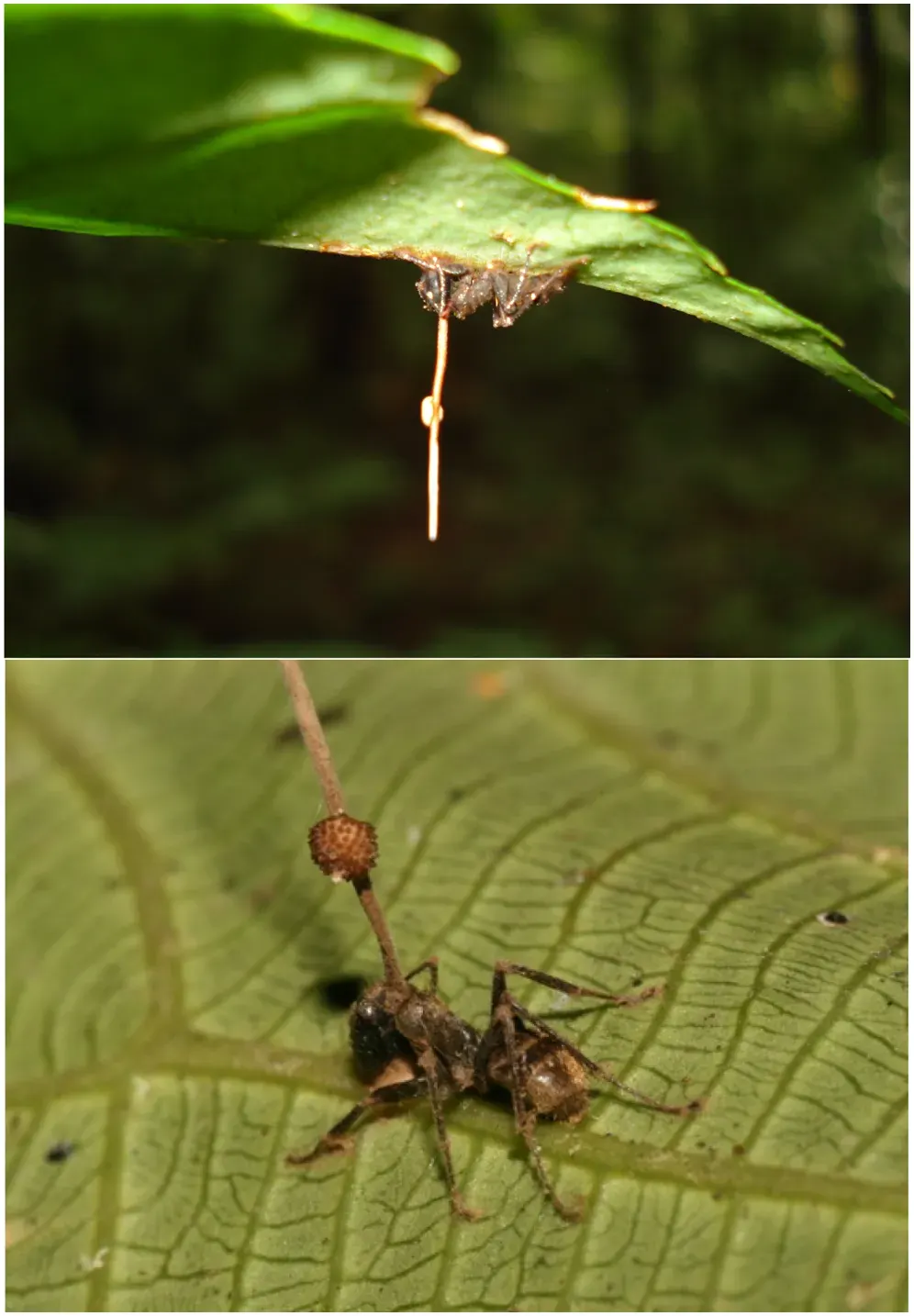
The fungus that changes how ants behave
Peer-reviewedParasitism

The fungus that changes how ants behave

Ophiocordyceps unilateralis infects ants and leads them to a place that suits the fungus, where the insect clamps its jaws on a plant and dies.

Source: Penn State — research on Ophiocordyceps unilateralis

Does chitin really make mushrooms hard to digest?
Corroborated

Does chitin really make mushrooms hard to digest?

Fungal cell walls are made of chitin — the same material as insect shells. The often-repeated claim that humans cannot digest it at all is imprecise.

Source: Scientific Reports — chitin digestibility and acidic chitinase in the stomach

The stinkhorn lures flies with the smell of carrion
CorroboratedSmells

The stinkhorn lures flies with the smell of carrion

The stinkhorn does not rely on the wind. The slime on its head smells of carrion and dung, and the flies that feed on it carry the spores away.

Source: Woodland Trust — Stinkhorn (Phallus impudicus)

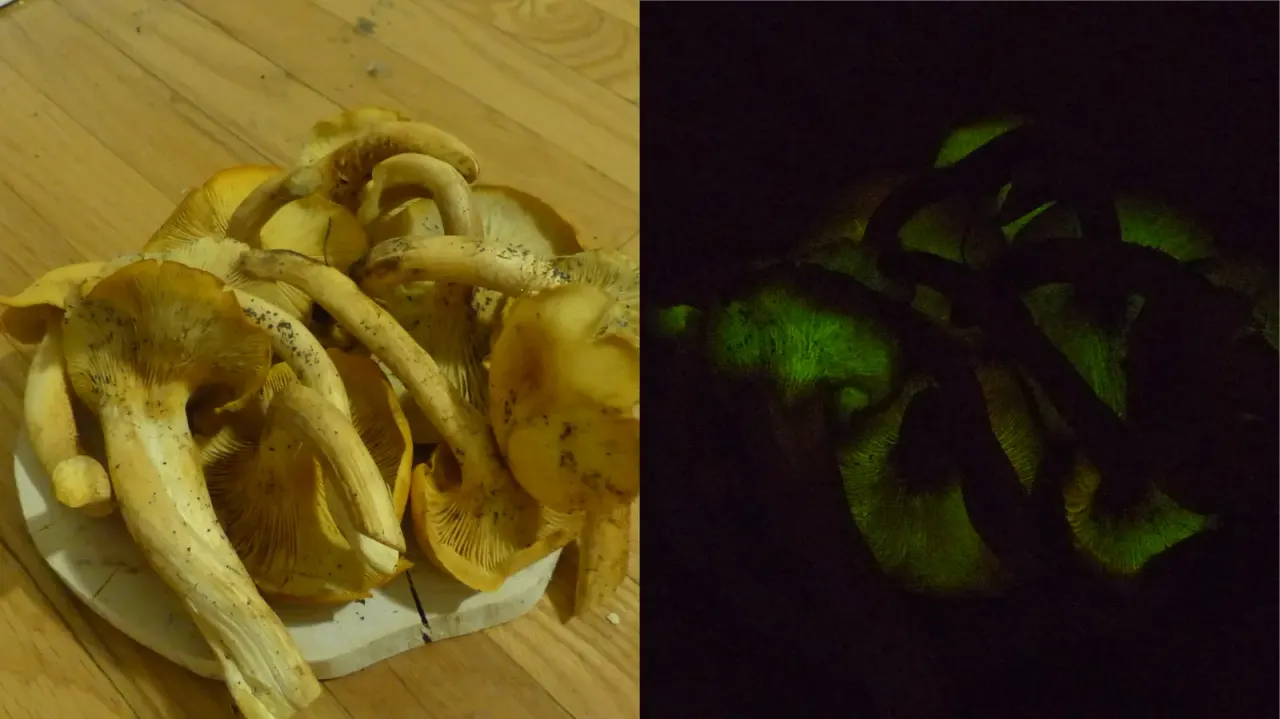
Over a hundred fungal species glow in the dark
Peer-reviewedBioluminescence

Over a hundred fungal species glow in the dark

Foxfire has been described in over a hundred species of the Agaricales, among them Omphalotus and Mycena. Luciferase oxidising luciferin causes it.

Source: The living light from fungi (review, 2024)