
Fungi worldwide
History
A timeline of mycology: the discoveries, atlases, classifications and studies that built what we know about fungi — from the microscope to DNA.
- entries
- 21
- illustrated
- 21
- with sources
- 21
From 1665 to 2022 — 357 years across 21 points.
To 1800
2
19th century
3
20th century
11
21st century
5
- 17th c.1665
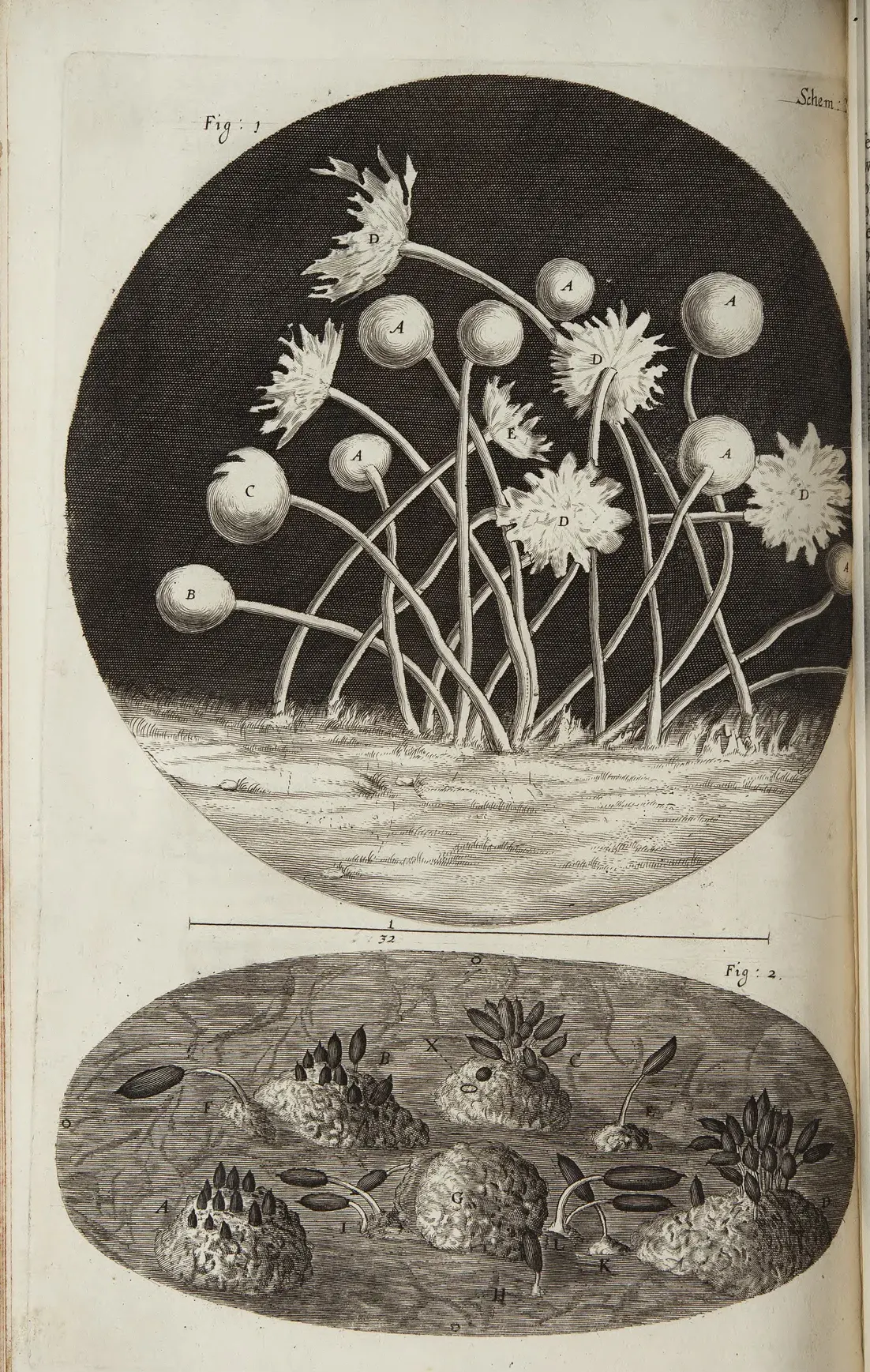
1665: Hooke shows mould under the microscope
The first printed illustration of a microfungus made the anatomy of mould a subject of verifiable observation.
The twelfth plate of Micrographia turned a wisp of mould into a visible structure, with hyphae and spherical heads.
- 18th c.64 years later1729
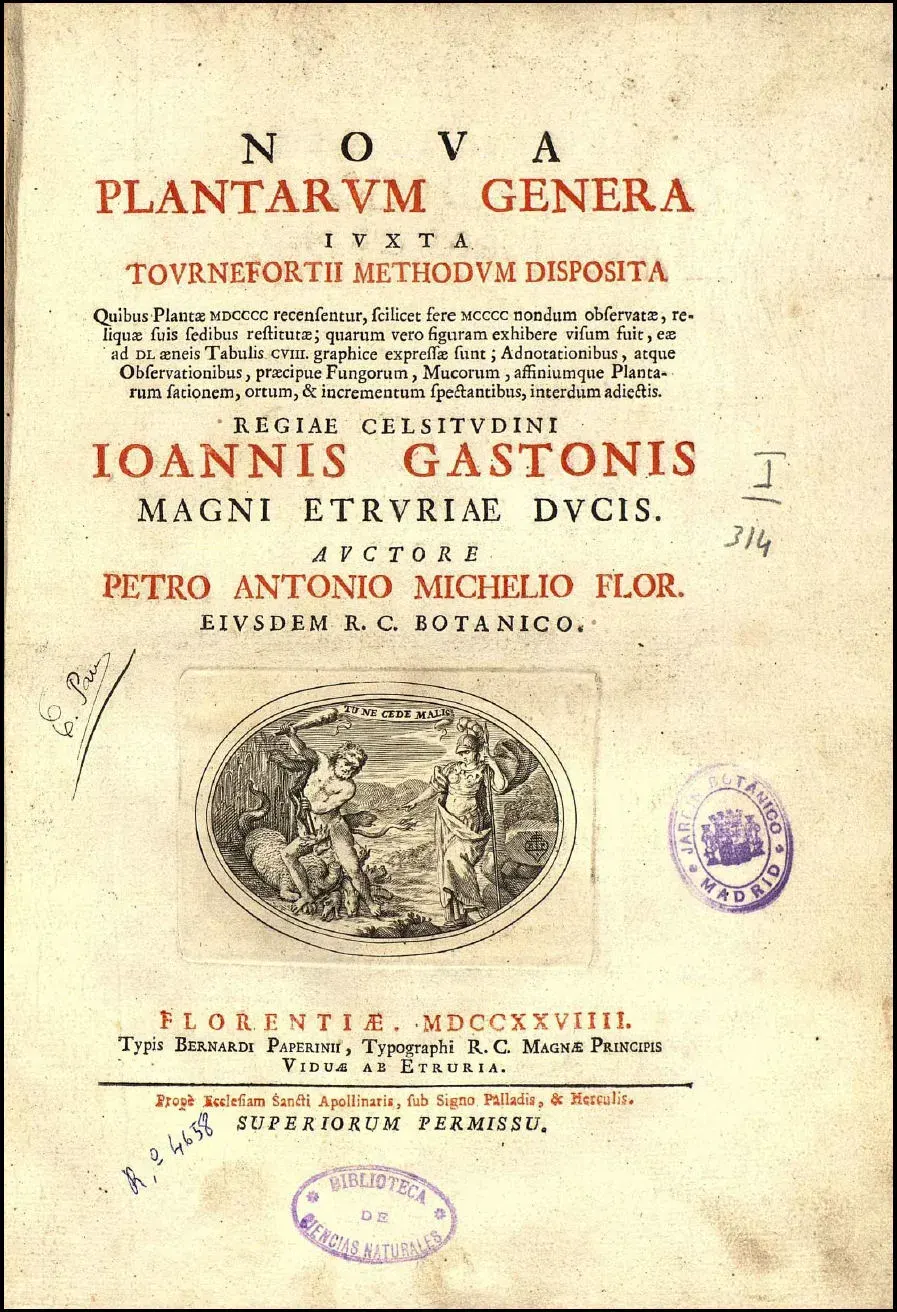
Micheli discovers that fungi have spores
The end of spontaneous generation for fungi, and the beginning of a mycology grounded in observing reproduction.
In Nova plantarum genera, Pier Antonio Micheli describes spores and shows that fungi reproduce through them rather than arising spontaneously.
- 19th c.72 years later1801
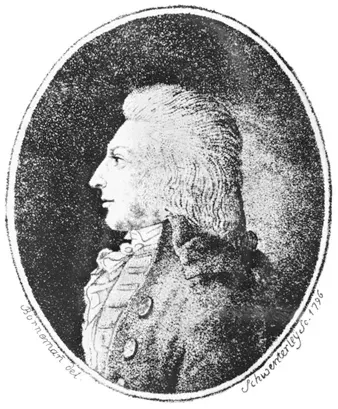
Persoon puts fungal names in order
The ordering of names from which modern fungal nomenclature is counted.
In Synopsis methodica fungorum, Christiaan Hendrik Persoon lays the foundations of the modern systematics of fungi.
- 1821–1832
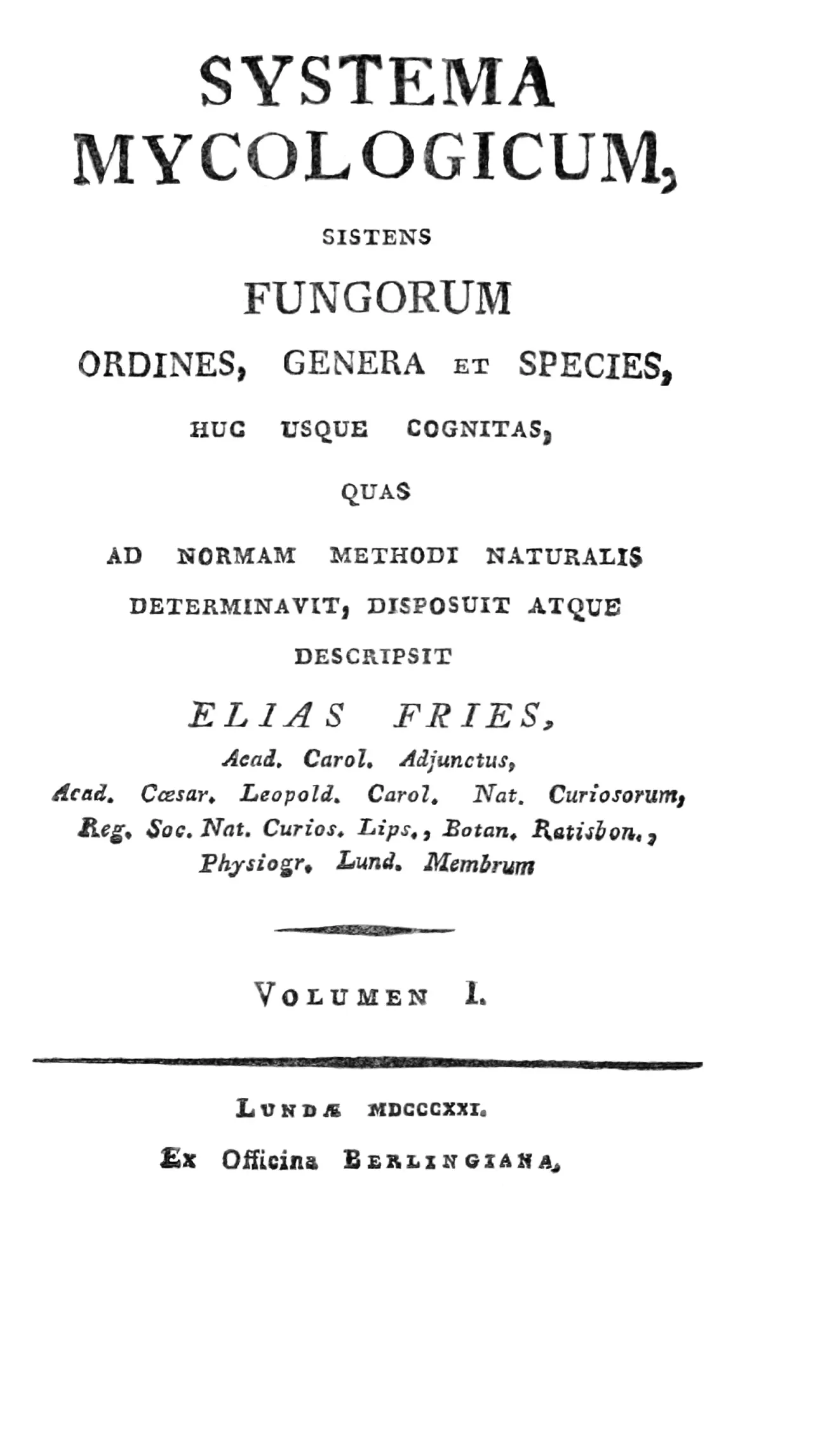
Elias Fries begins Systema Mycologicum
An arrangement that, for many groups of fungi, is still the reference point two hundred years on.
Fries's three-volume work became the point of reference for the naming of fungi for the decades that followed.
- 65 years later1897
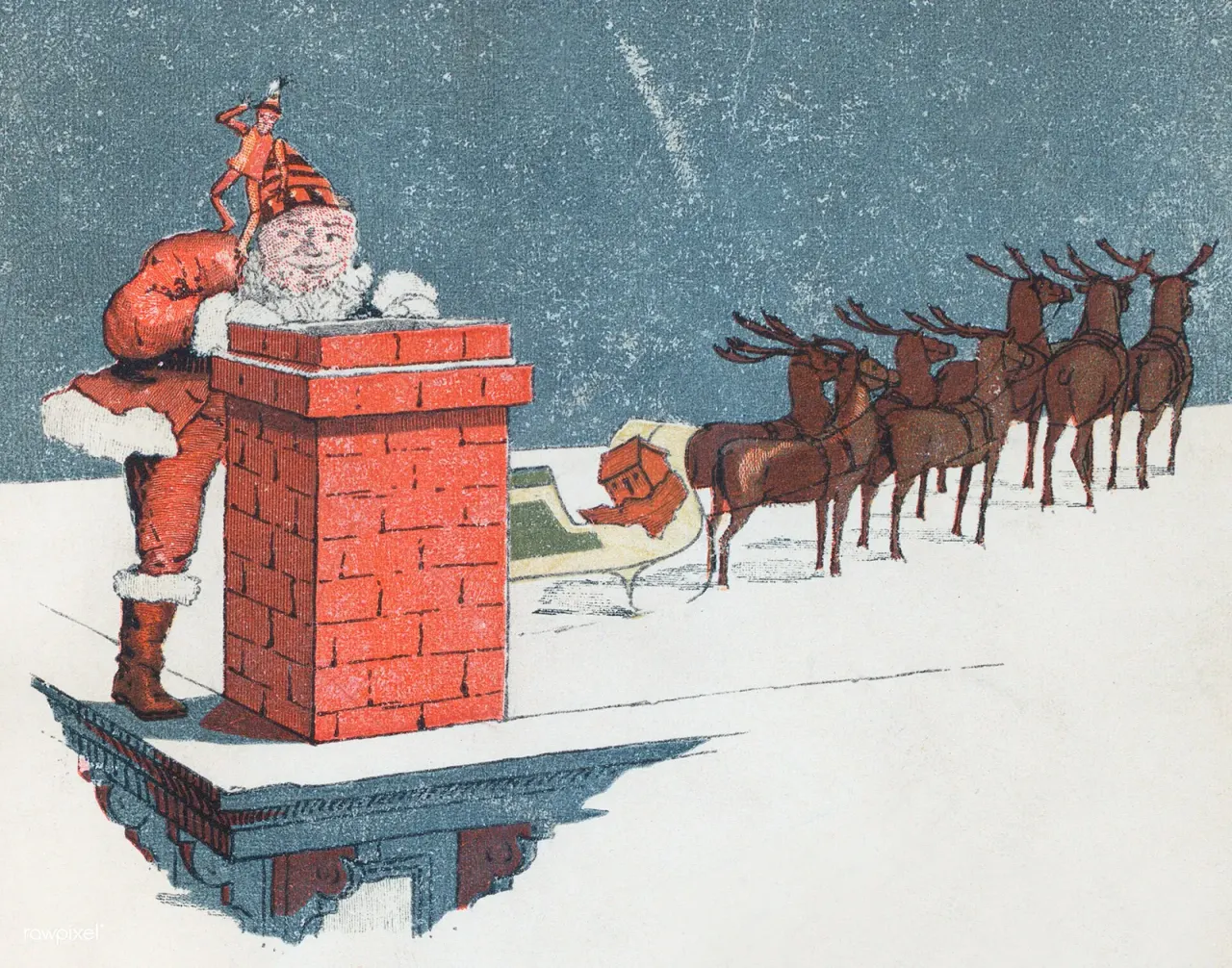
Beatrix Potter studies spore germination
Sound mycological work rejected because of the author’s sex — and an apology a hundred years later.
Before she wrote Peter Rabbit, Beatrix Potter carried out her own microscopic research into the germination of fungal and lichen spores.
- 20th c.31 years later1928
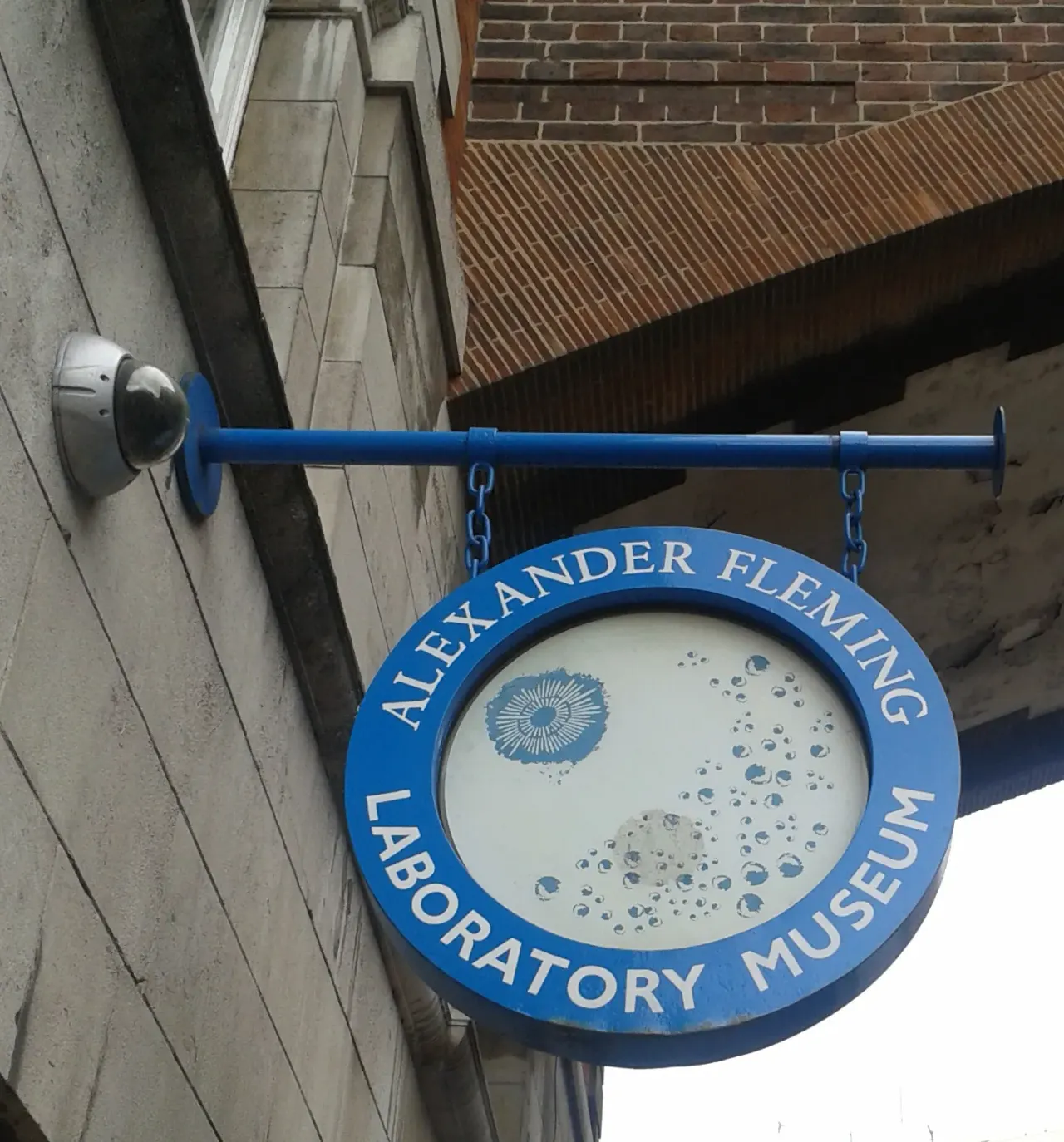
Fleming discovers the action of penicillin
The beginning of the antibiotic era — a fungus changed medicine more than any other organism.
An accidental contamination of a bacterial culture by a Penicillium mould led to the discovery of the first antibiotic.
- 1941
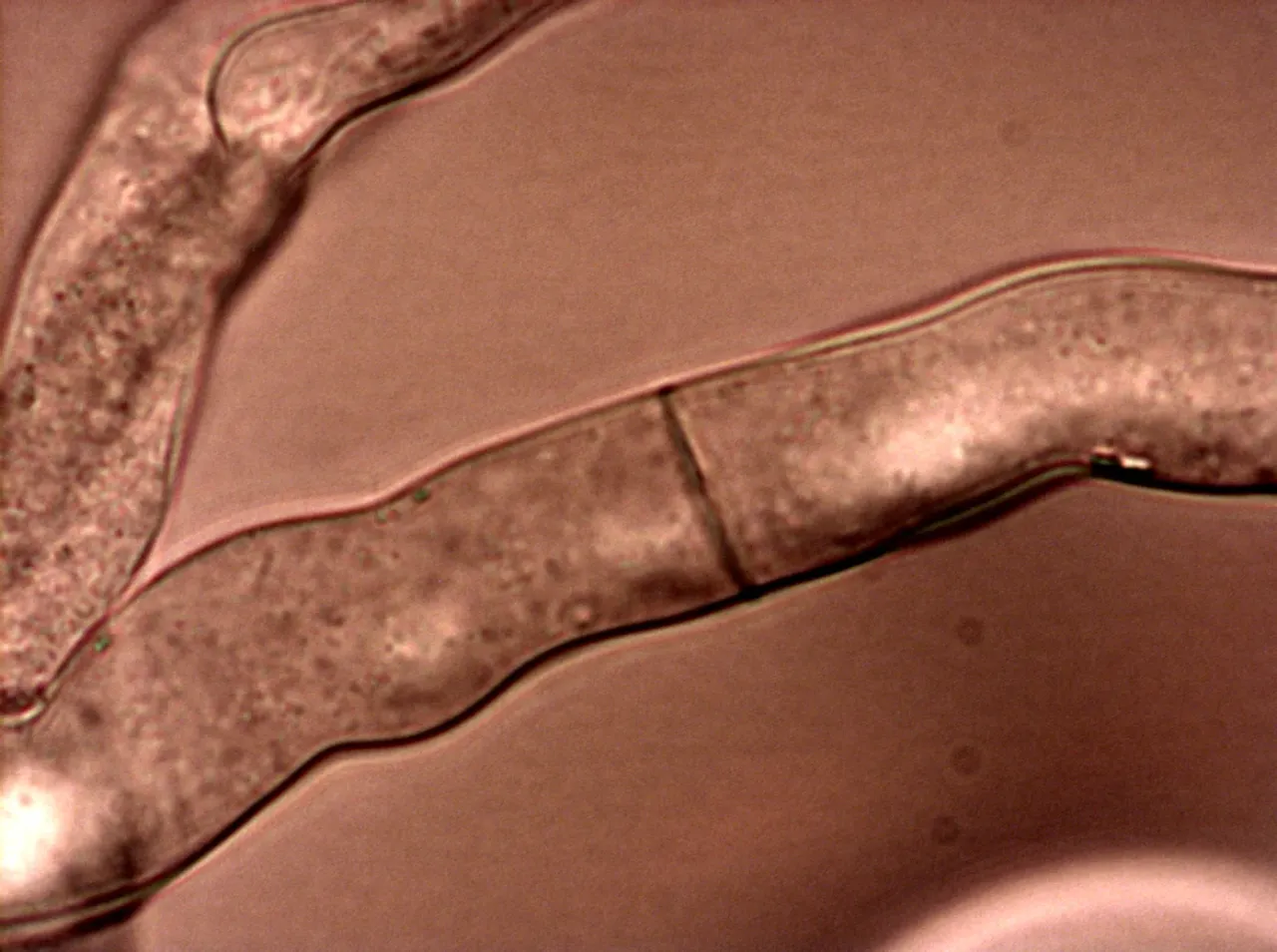
1941: a fungus connects genes with chemical reactions
Experiments with Neurospora crassa linked inherited nutritional requirements to particular biochemical transformations.
Experiments with Neurospora crassa connected inheritance with chemical transformations. Comparing growth conditions and identifying a nutrient that restored growth made the connection experimentally testable.
- 1951–1960
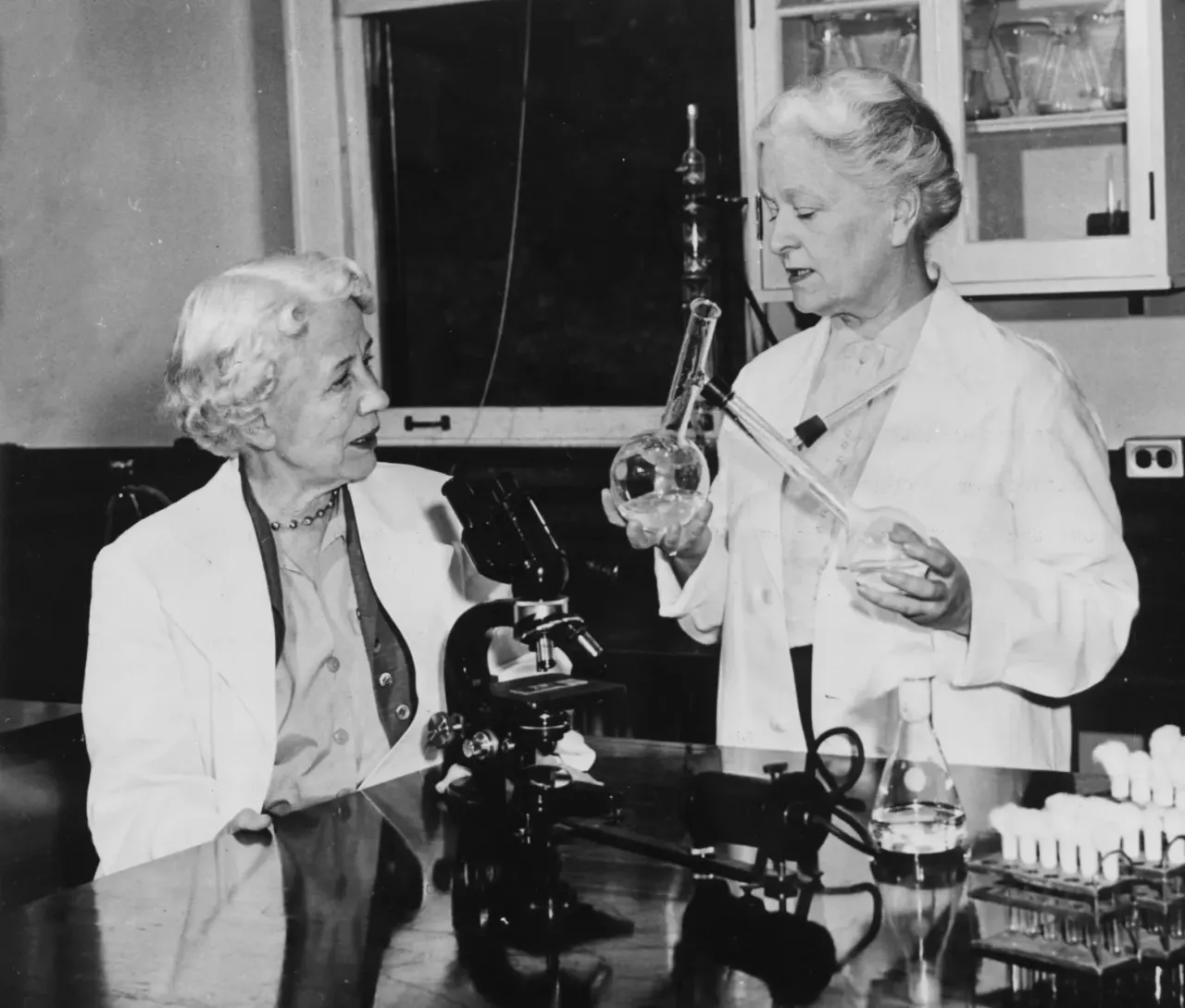
1951: the first effective antifungal medicine
The first antifungal antibiotic selective enough to treat people. Still in use, and still resting on a difference in membrane sterols.
Elizabeth Lee Hazen and Rachel Fuller Brown described fungicidin, from a soil actinomycete. The world knows it today as nystatin.
- 1969
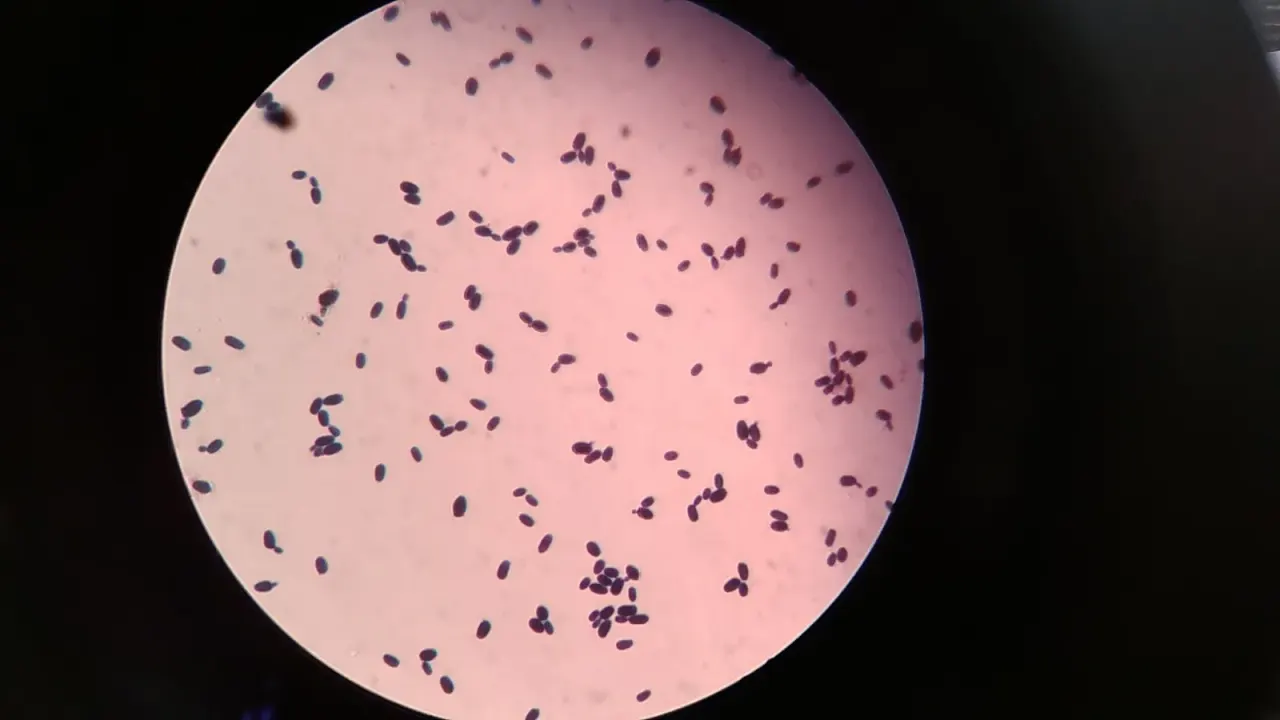
Fungi recognised as a separate kingdom
Fungi stopped being plants — in the textbooks, and in how people think about them.
Robert Whittaker proposes a division into five kingdoms, in which fungi cease to be counted among the plants at all.
- 1976–1979
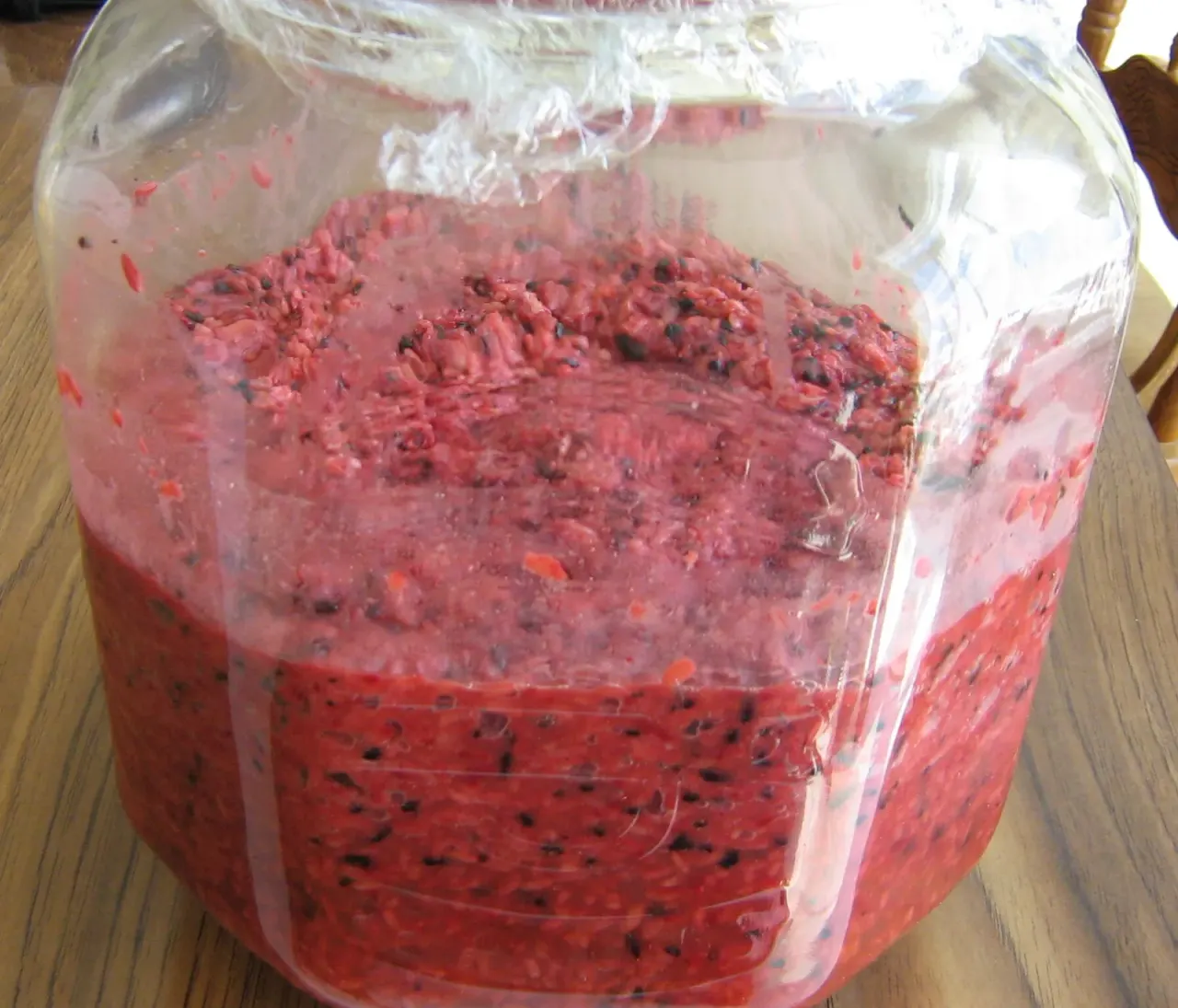
1976: a mould yields the first cholesterol inhibitor
Opened the road to statins, one of the most widely prescribed classes of medicine in the world, and showed what fungal secondary metabolites are studied for.
Akira Endo searched fungi for compounds that block cholesterol synthesis. He found them in Penicillium citrinum, opening the road to statins.
- 1983
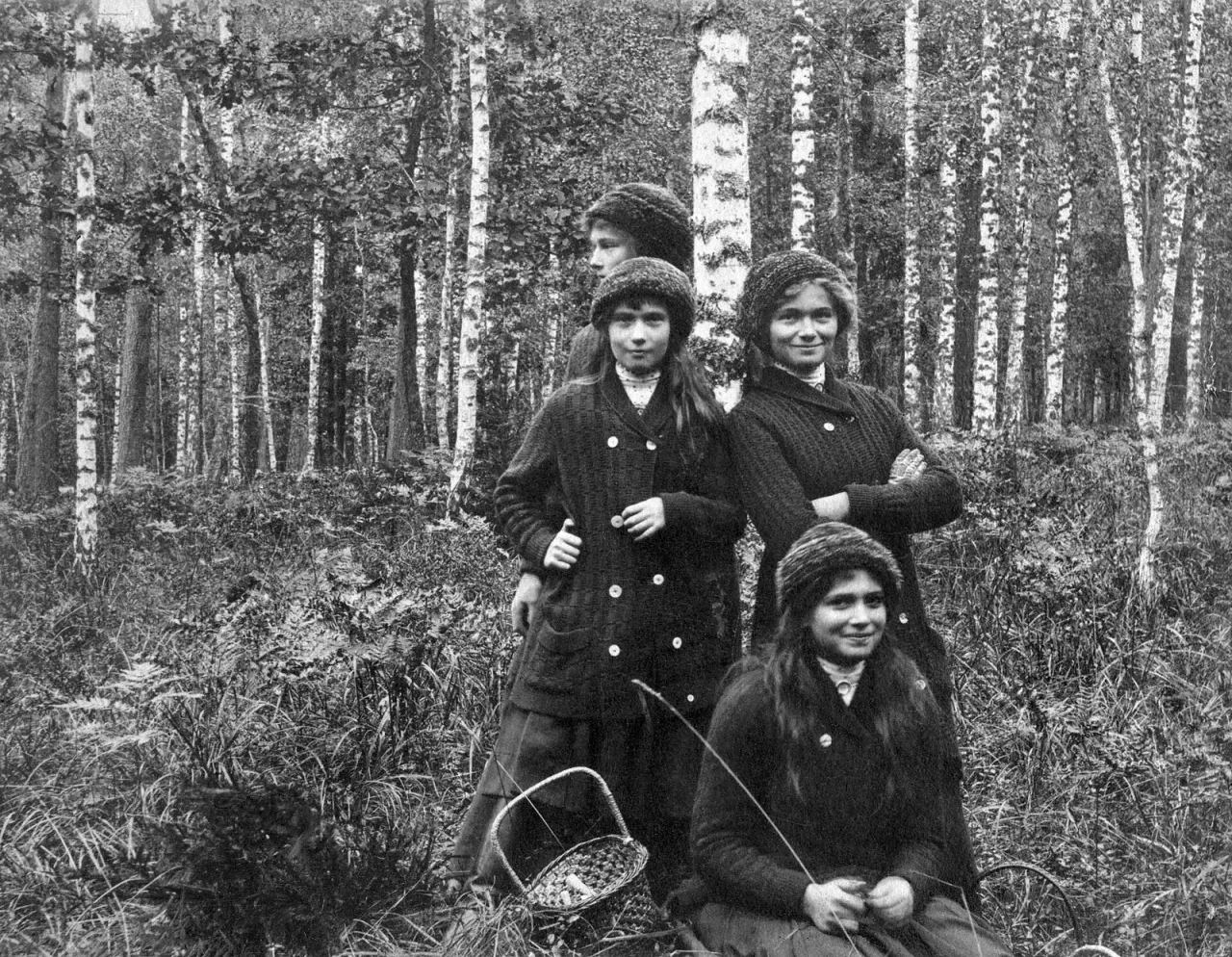
Poland is first in Europe to protect fungi
The first recognition in Europe that fungi need legal protection on a par with plants and animals.
In 1983 Poland became the first country in Europe to give fungi species protection — initially covering 21 of the rarest species.
- 1990–1999
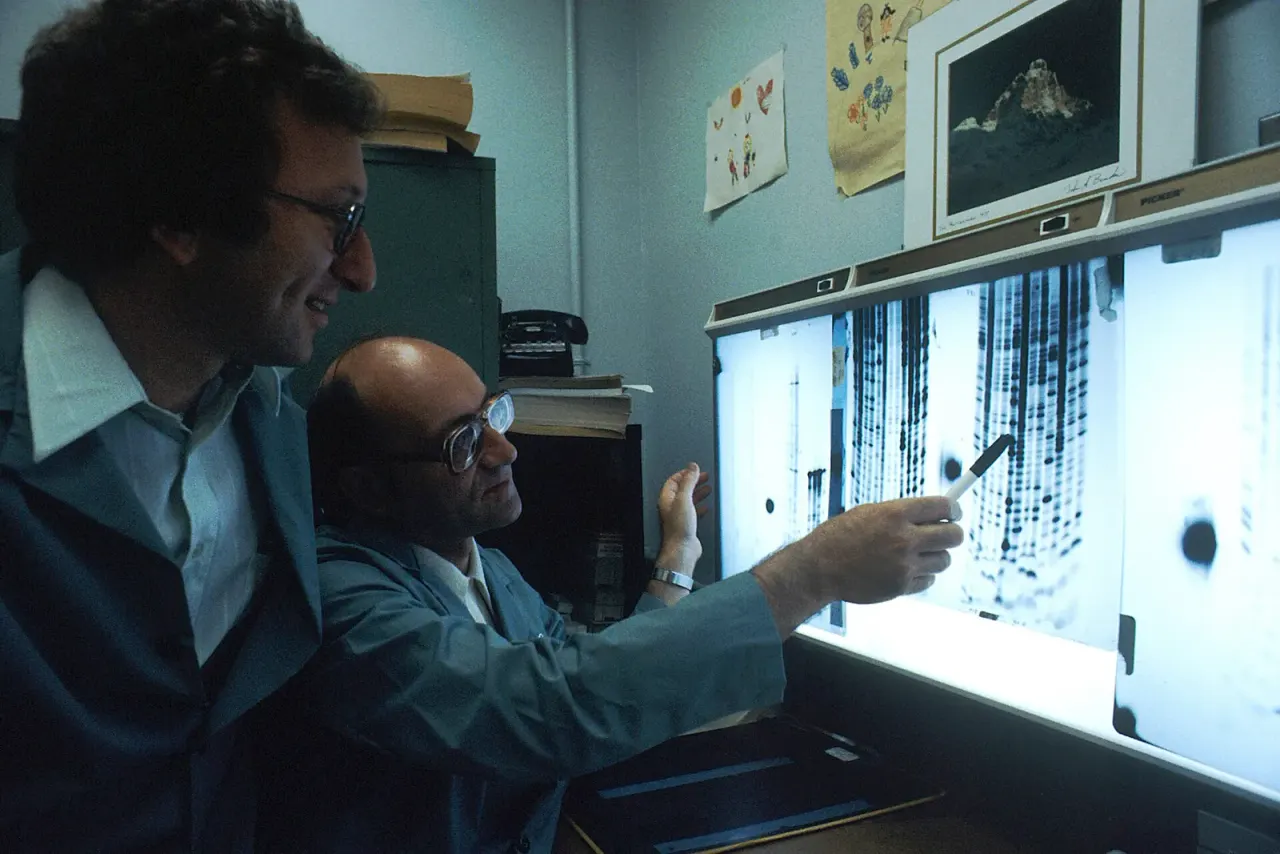
Molecular methods rebuild fungal systematics
Appearance stopped being enough — DNA began to settle how fungi are related.
From the 1990s, DNA analyses begin moving species between genera and families, often against the evidence of appearance.
- 1991
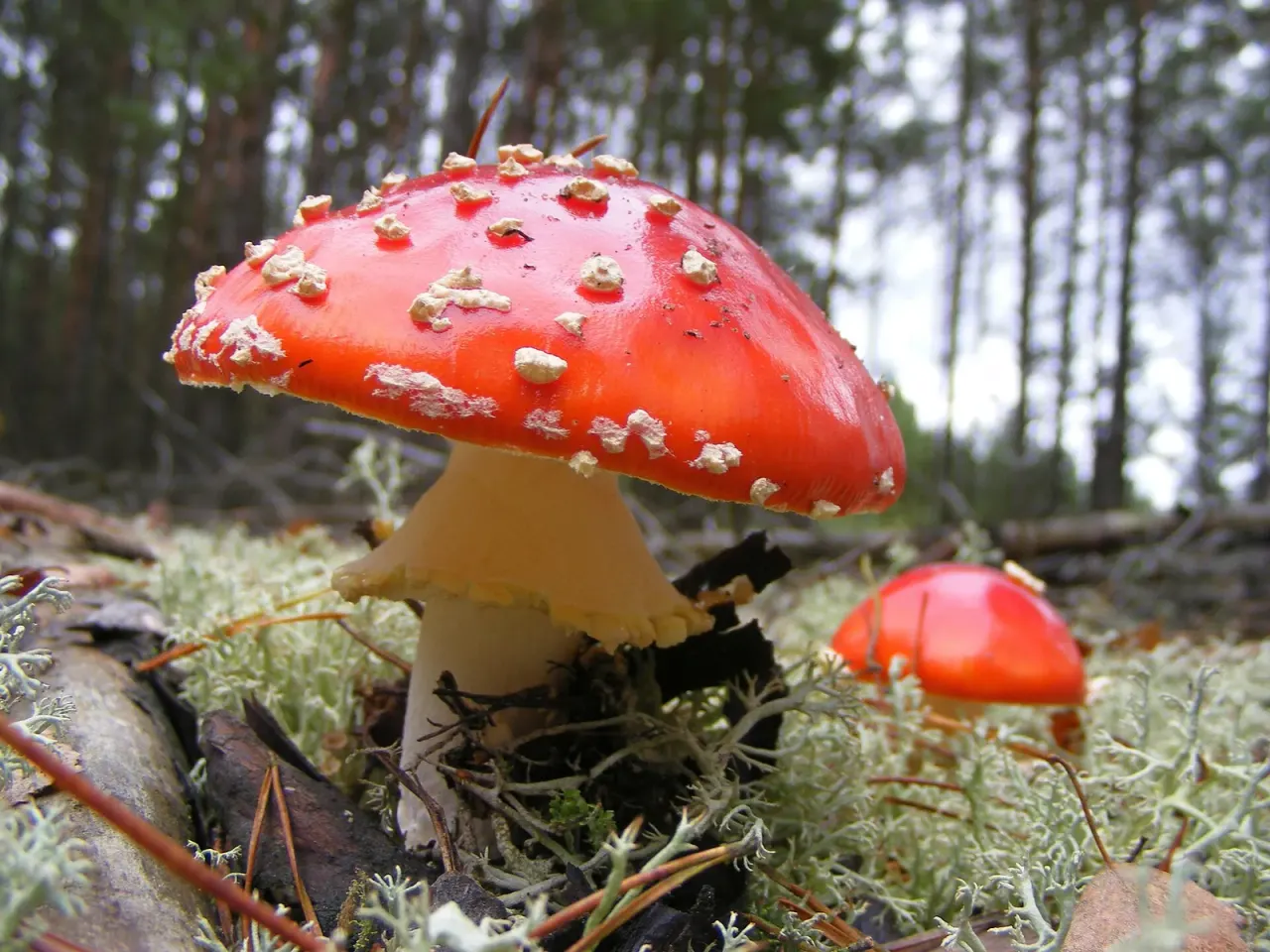
1991: where "1.5 million species" came from
Gave mycology its first number with an explicit method: 1.5 million species. It turned “there are many fungi” into a claim that could be tested and corrected.
David Hawksworth's paper in Mycological Research gave the field a number quoted for a quarter of a century — and a method anyone could check.
- 1993–2022
1993: the fungus that was to make taxol
A model case of scientific correction: a celebrated report of a taxol-producing fungus was checked against a genome thirty years later and put right.
A report in Science promised an anticancer drug grown in fungal culture. A genome examined years later showed something other than expected.
- 1996
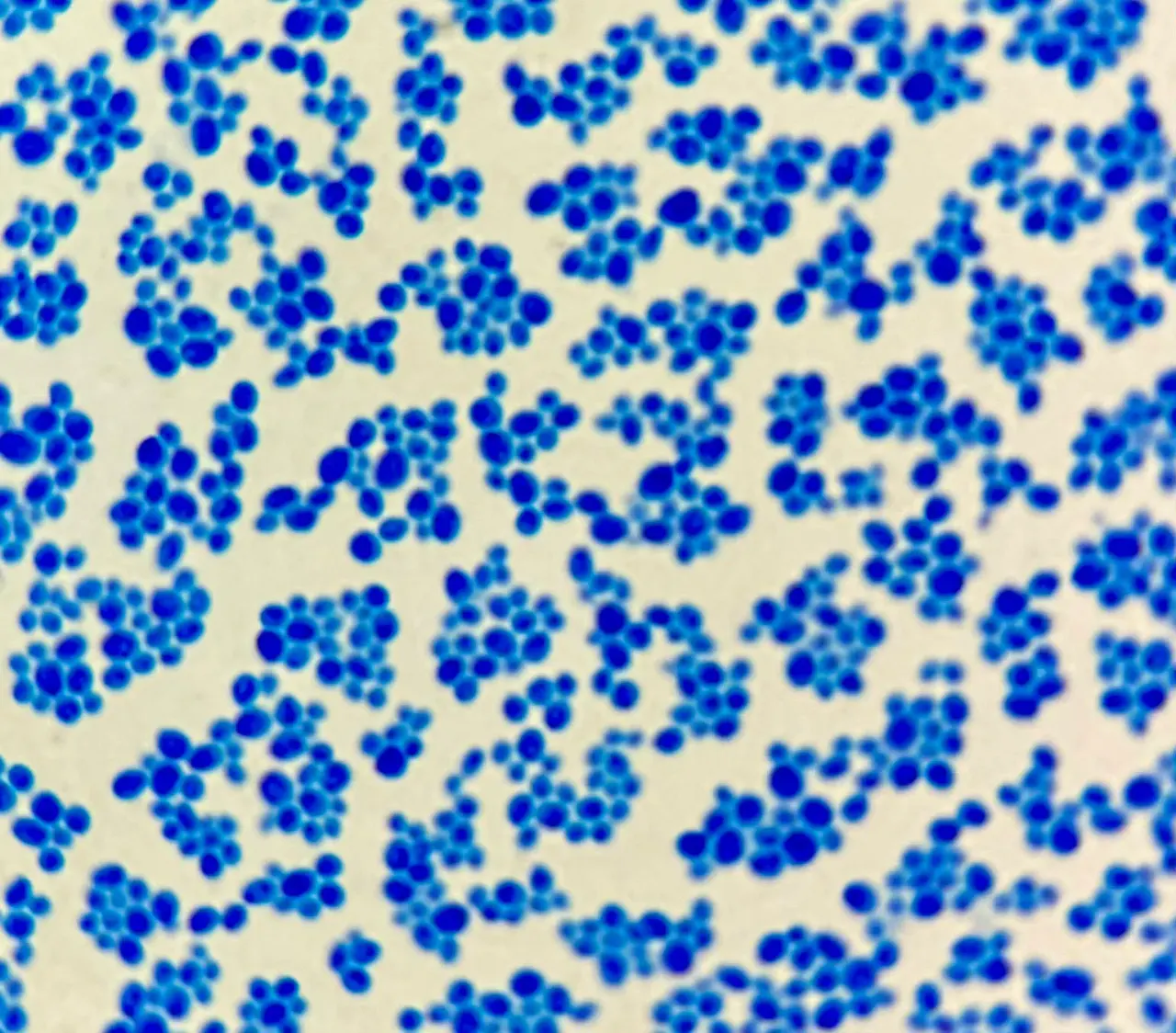
The yeast genome is sequenced
The first eukaryotic genome ever read — and it was a fungus.
Saccharomyces cerevisiae became the first eukaryote with a fully known genome — and a model organism for cell biology.
- 1998
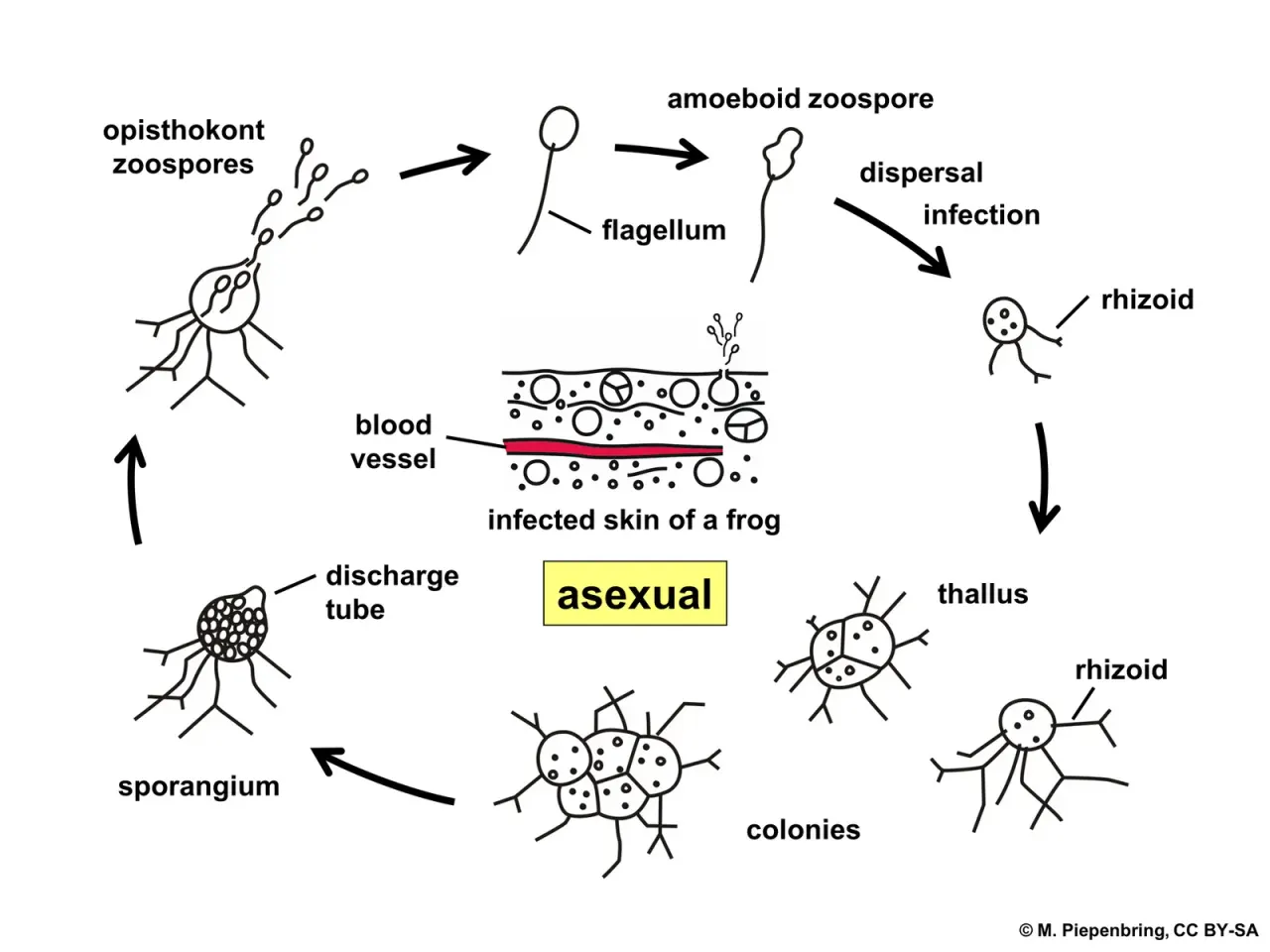
1998: a fungus turns out to be killing amphibians
The first description of a chytrid parasitising a vertebrate, and the identification of a cause of mass amphibian decline. The basis of biosecurity in the animal trade.
Mass frog die-offs in Australia and Central America shared one cause: a skin infection by a fungus from the chytrid phylum.
- 21st c.2003
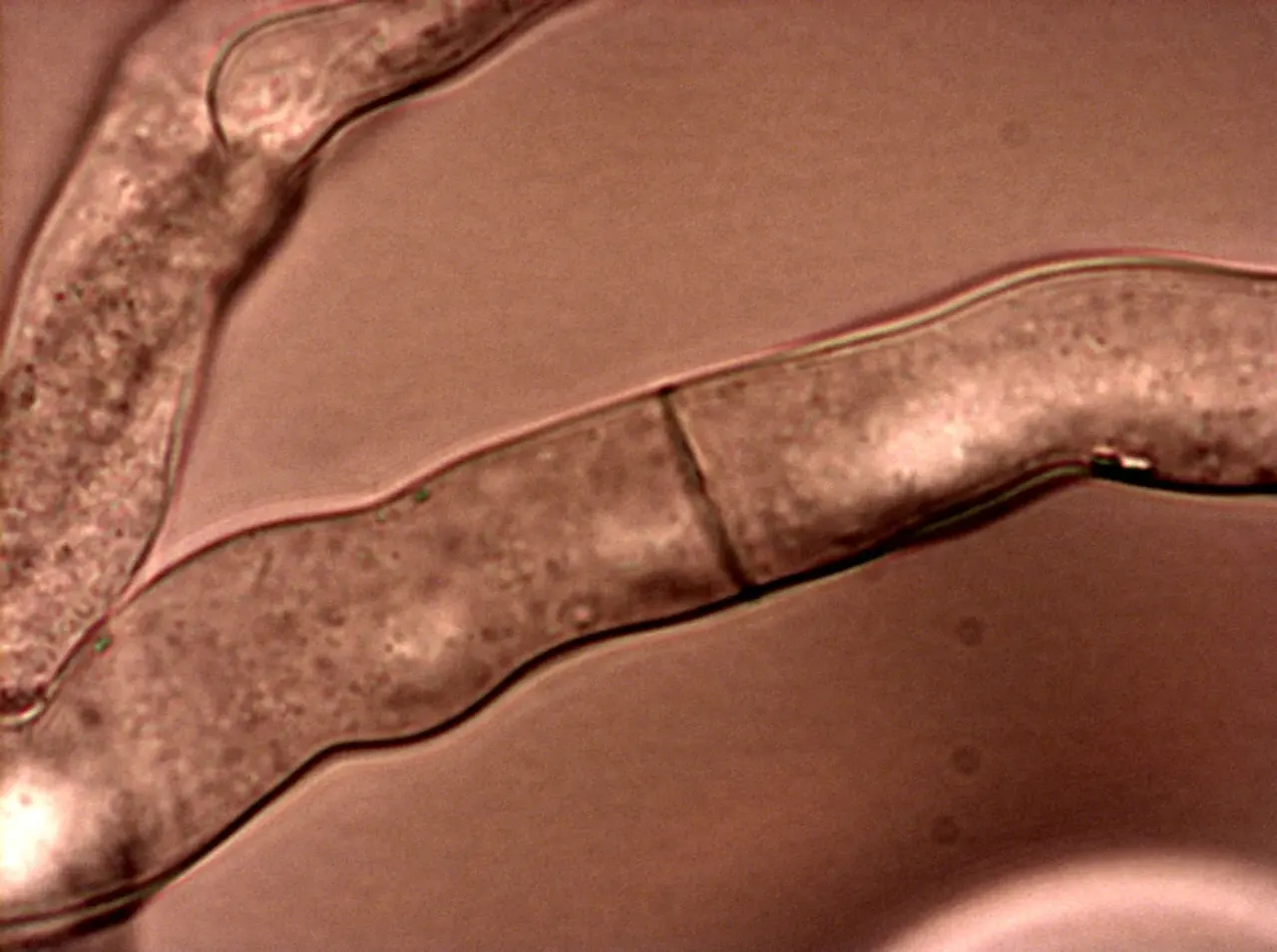
2003: the first genome of a filamentous fungus
The first genome of a filamentous fungus. It showed a genetic scale comparable to animals and a unique genome defence mechanism, RIP.
Neurospora crassa has 40 megabases and about 10,000 genes — and a genome defence mechanism no other eukaryote possesses.
- 2007
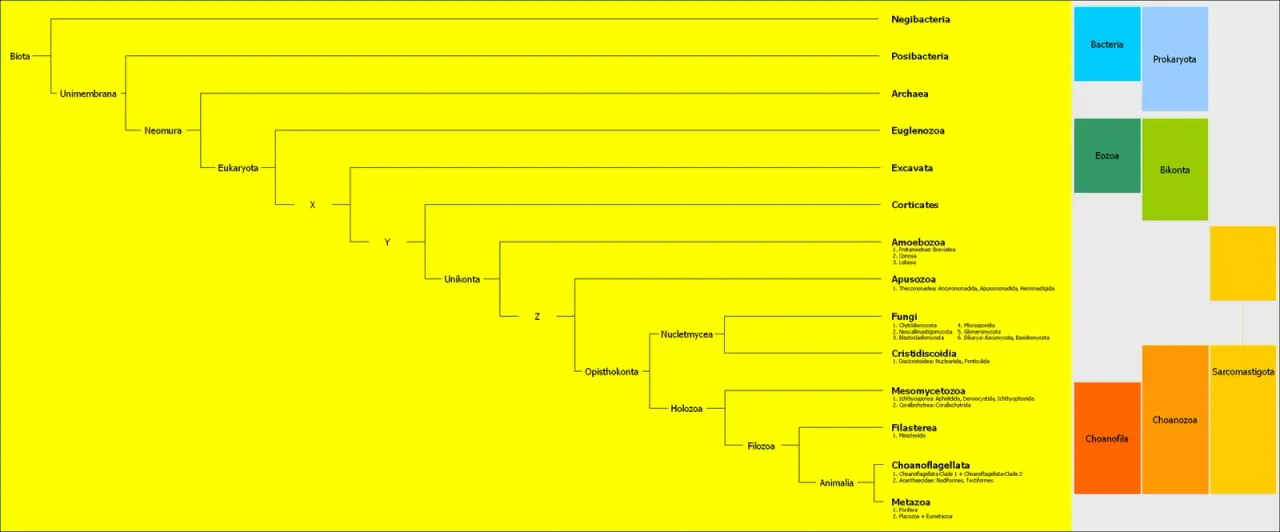
2007: mycologists agree on one tree of fungi
It replaced competing trees with one agreed skeleton on which databases and the authors of new species can hang names.
A large group of authors signed a joint classification of the fungal kingdom. It is still the skeleton on which new results are hung.
- 2008
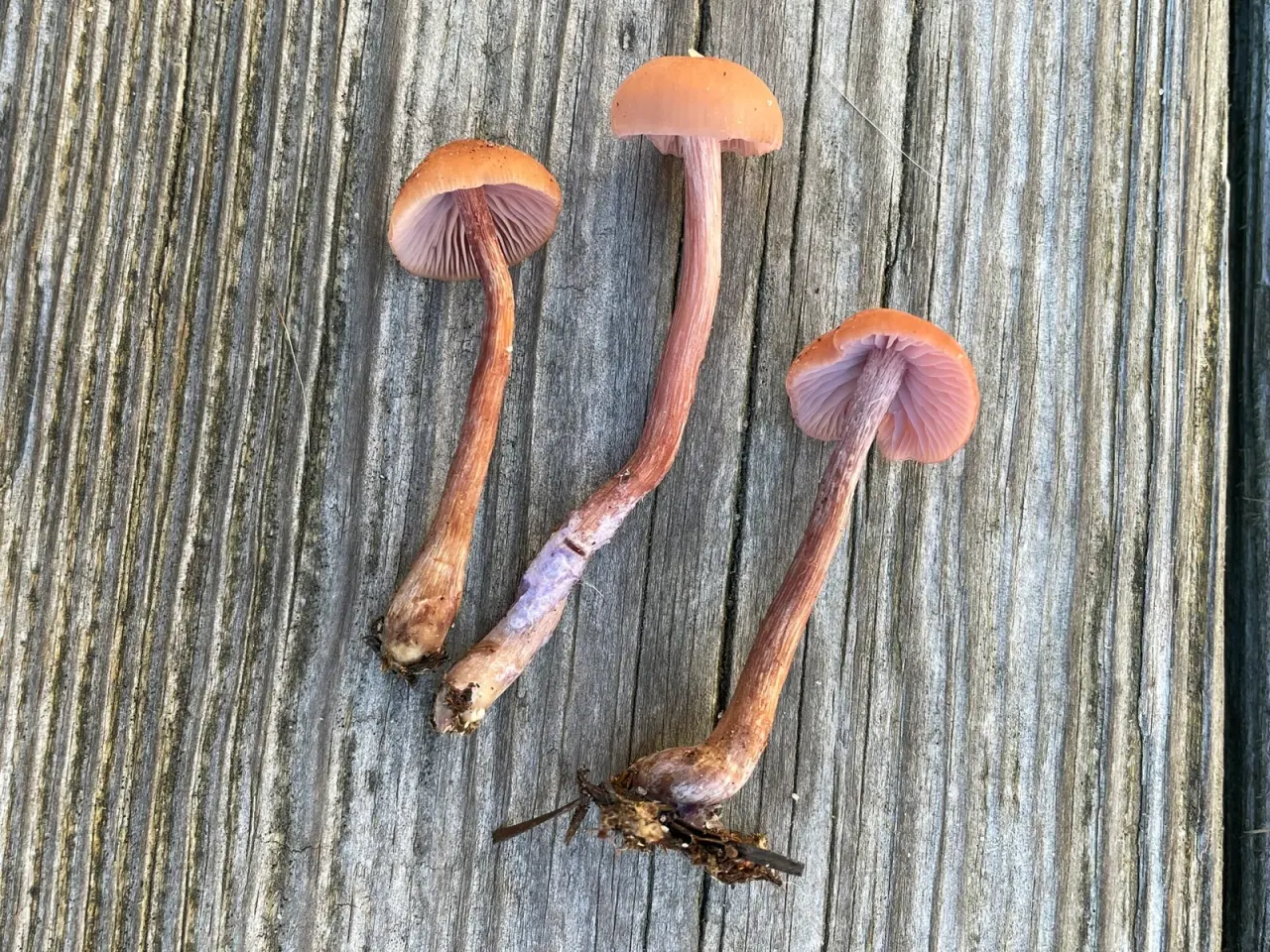
2008: the genome of the first mycorrhizal fungus
The first genome of a mycorrhizal fungus. It revealed symbiosis effectors and the absence of plant-cell-wall-degrading enzymes — the genetic basis of a dual lifestyle.
Laccaria bicolor showed what a symbiont needs and what it lacks: it cannot break down the cell wall of the plant it lives with.
- 2011
2011: one fungus gets one name
The reform removed the exception of two formal names for the stages of one fungus, and brought the code into line with molecular data and digital publication.
The Melbourne congress ended the special exception that allowed two formal names for different stages of the same fungus.
- 2012
2012: ITS becomes the fungal barcode
A shared ITS marker joined identification, collections and environmental data into one comparable infrastructure.
An international consortium compared six DNA regions and identified ITS as the best compromise for the kingdom as a whole.